
Trichoderma pseudokoningii
Trichoderma pseudokoningii
Description
Symptoms
The primary sign of infection is the stunted growth of seedlings and mature plants, accompanied by yellowing and subsequent wilting of leaves. The root system undergoes necrotic changes.
When examining the root collar, tissue softening is observed, often accompanied by the appearance of a fungal bloom. The color of the affected areas varies from light brown to dark brown.
A characteristic symptom is the dieback of small feeder roots, which leads to nutrient deficiency in the plant. In severe cases, the complete death of the root system occurs.
On a cross-section of the stem or root, darkening of the conducting vessels may be visible, indicating a blockage of water transport. The plant loses turgor even with adequate watering.
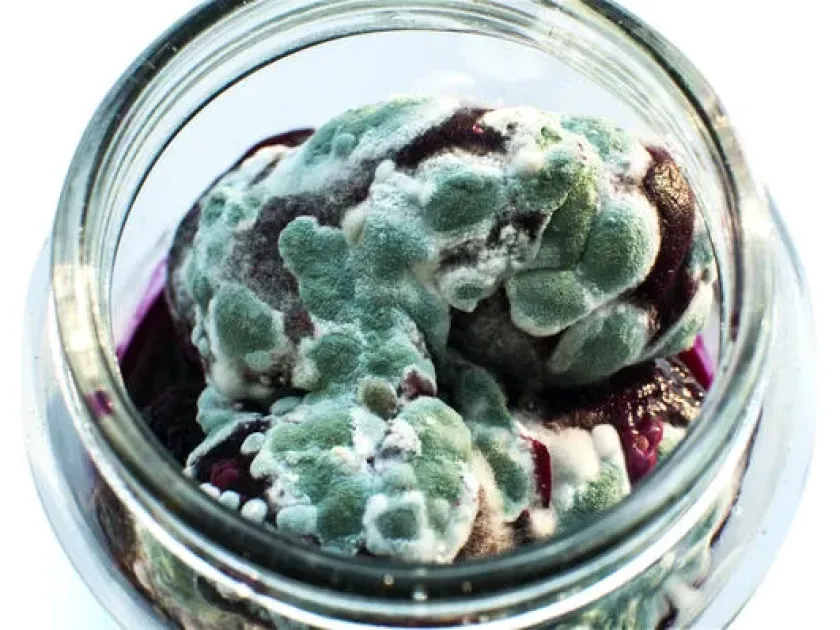
Under conditions of high humidity, fungal sporulation may form on the surface of affected tissues, appearing as whitish or grayish small cushions.
Pathogen
The causative agent of the disease is the soil-borne fungus Trichoderma pseudokoningii. While many species of the Trichoderma genus are known as beneficial antagonists, this specific strain exhibits pronounced pathogenic properties, acting as an opportunistic pathogen.
The mycelium of this fungus actively develops in the soil substrate and on plant debris, switching to a parasitic lifestyle when the plant's immune system is compromised. It is capable of producing enzymes that degrade the host's cell walls.
Unlike saprotrophic species, Trichoderma pseudokoningii has the ability to aggressively colonize roots and the vascular system. This makes it a hidden but dangerous component of the soil microflora.
Biologically, the species belongs to the deuteromycetes and reproduces primarily asexually through the formation of conidia. These conidia possess high survival rates in unfavorable soil conditions.
The spread of the pathogen occurs through contaminated seeds, soil, farm equipment, and irrigation water. The fungus maintains viability in the soil for several years.
Conditions for development
The development of the fungus is favored by high soil moisture and moderately warm temperatures in the range of 20–25 degrees Celsius. Excessive waterlogging is a critical risk factor.
The pathogen prefers soils with an imbalanced microflora, such as those after the use of aggressive fumigants or depleted of humus. A lack of natural competitors facilitates colonization.
Poor soil aeration and compaction create ideal anaerobic conditions for the development of necroses caused by this fungal species. Roots are particularly vulnerable under these conditions.
Disruption of crop rotation and monoculture contribute to the accumulation of infectious inoculum in the soil. The more infected debris remains after harvest, the higher the risk of a disease outbreak.
Weakening of crops due to stress factors, such as temperature fluctuations or nutrient imbalances, significantly increases plant susceptibility to infection.
Why it matters
The main harm consists of reduced crop productivity and the risk of total crop loss during early stages of development. The pathogen causes mass damping-off of seedlings.
Infected plants, even if they survive, lag significantly in development and produce low-quality yields. Their ability to form proper reproductive organs is reduced.
The fungus is capable of infecting a wide range of agricultural crops, including vegetables, cereals, and industrial crops. This complicates the selection of crops for rotation.
In greenhouse conditions, harm increases due to the closed space and constant environmental conditions, which allow the infection to spread rapidly throughout the entire planting area.
Economic losses include costs for reseeding, application of additional fungicides, and loss of marketable produce due to reduced quality.
Protection
The most important preventive measure is adhering to proper agricultural practices, including effective soil loosening and preventing water stagnation. Proper drainage organization is essential.
Following a crop rotation plan allows for the interruption of the pathogen's reproduction cycle. Returning susceptible crops to the same location is recommended no earlier than 3–4 years.
The use of healthy planting material and its pre-treatment with broad-spectrum fungicides significantly reduces the risk of infection at the start.
Incorporating organic fertilizers and biological preparations that stimulate the development of beneficial microflora creates natural competition for the pathogen, preventing its multiplication.
Upon detection of disease outbreaks, it is necessary to remove infected plants, disinfect the soil, and restrict irrigation to lower the humidity level.
Discussion
No discussions yet — be the first.