
Trichoderma placentula
Trichoderma placentula
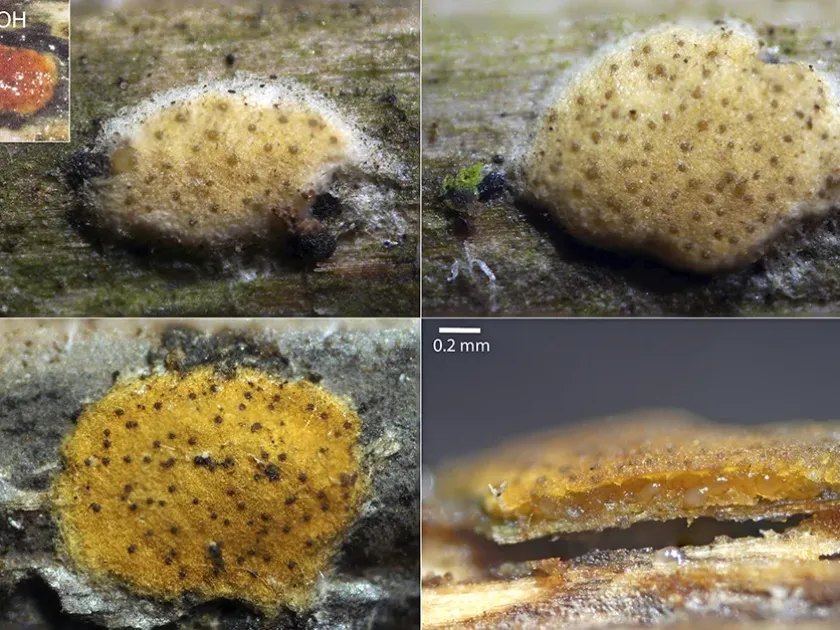
Description
Pathogen
Trichoderma placentula is a fungal species belonging to the genus Trichoderma. While many members of this genus are beneficial biological control agents, this specific species has been identified as having pathogenic potential, causing decay and rot in plant tissues under specific conditions.
The pathogen is a soil-borne fungus that can switch from a saprotrophic lifestyle to a parasitic one. It primarily attacks vulnerable tissues, including seeds, germinating seedlings, and stressed roots, utilizing a range of extracellular enzymes.
Biologically, the fungus is characterized by rapid mycelial growth and high metabolic activity. It penetrates host tissues through microscopic wounds or natural openings, secreting enzymes that degrade cell walls, facilitating tissue colonization.
The type of disease is typically categorized as seed decay, damping-off, or root rot. The infection process is often facilitated by weakened host immunity caused by environmental stress or lack of adequate growing conditions.
Identification of the species is complex and usually requires molecular tools (DNA sequencing). Morphological characteristics alone can be misleading due to the high variability within the Trichoderma genus.
Conditions for development
Development is highly dependent on environmental moisture levels, with optimal growth occurring when humidity exceeds 85%. Temperatures between 20°C and 25°C favor rapid colonization and spore germination.
Poor soil aeration and waterlogging are critical factors promoting the proliferation of the pathogen. The fungus can survive unfavorable conditions in the soil in the form of robust chlamydospores for extended periods.
The presence of un-decomposed plant residues in the soil serves as a primary source of inoculum. Cultivation practices that leave significant debris increase the risk of infection for subsequent plantings.
In greenhouses, the pathogen is frequently spread via contaminated substrates, irrigation water, or unclean tools. Neglecting hygiene protocols often leads to rapid outbreaks in controlled environments.
Host plant stress, whether caused by nutrient deficiency, mechanical damage, or temperature fluctuations, significantly increases susceptibility to infection by this fungus.
Why it matters
The primary impact of the disease is a significant reduction in seed germination and seedling emergence. This results in patchy stands and poor crop establishment, often necessitating replanting.
Seedling rot, characterized by the softening of the hypocotyl and stem tissues, leads to damping-off. This causes high mortality rates in nursery settings and reduces overall plant population density.
In mature plants, the fungus can damage the root system, restricting water and nutrient uptake. This leads to stunted growth, wilting, and reduced yields, particularly during periods of intense development.
Post-harvest losses occur when the fungus colonizes fruits or tubers during storage. The resulting decay often serves as a substrate for secondary pathogens, leading to total product loss.
Economic damage is substantial, encompassing the loss of expensive seed material, costs associated with soil disinfection, and decreased marketability of the final agricultural produce.
Protection
The cornerstone of management is the use of high-quality, treated seed. Fungicidal seed dressings provide a crucial protective layer that prevents the fungus from infiltrating the developing seed.
Effective soil management is vital, including deep plowing to incorporate and promote the decay of organic residues. Crop rotation is also essential to break the pathogen's life cycle in the soil.
In protected cultivation, moisture control and ventilation are the most effective non-chemical tools to discourage fungal growth. Proper spacing and airflow minimize the microclimate conditions that favor infection.
Strict sanitation measures, including the disinfection of greenhouses, tools, and irrigation systems, are required to prevent the introduction and spread of the pathogen.
- Routine monitoring of seedlings for early signs of decay.
- Balanced fertilization to enhance plant vigor and natural resistance.
- Removal and destruction of infected crop residues to reduce inoculum levels.
Discussion
No discussions yet — be the first.