
Trichoderma hamatum
Trichoderma hamatum
Description
Symptoms
The most common symptom is the development of brown or necrotic lesions on the roots and the base of the stem, often resulting in severe rotting of the tissues.
Affected seedlings frequently undergo damping-off, where the base of the stem collapses, leading to the sudden death of the young plant shortly after emergence.
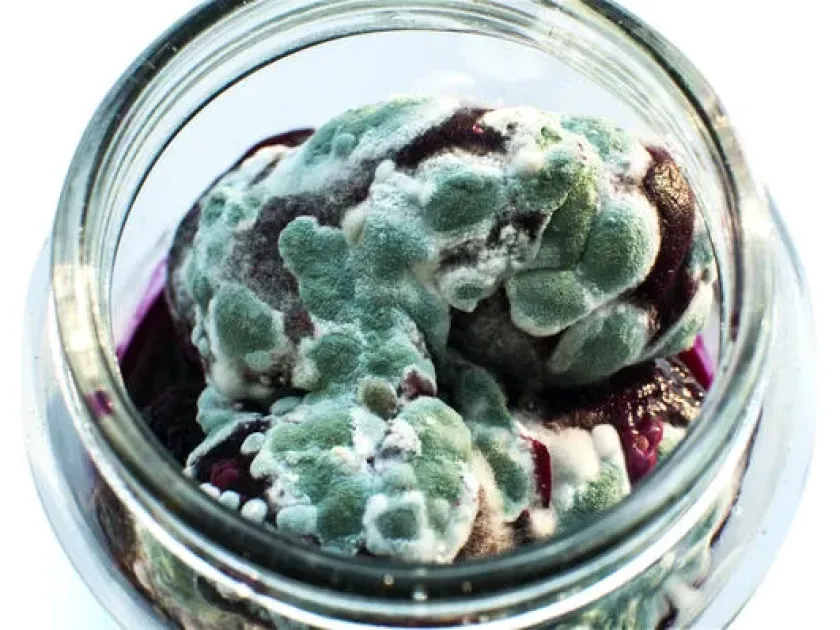
Visible mycelial growth, often appearing as a white to greenish fluffy layer, can be observed on the surface of infected tissues, particularly in high-humidity microclimates.
Plants that survive the initial infection show systemic symptoms such as chlorosis, stunted growth, and a significant loss of vigor due to the impaired root system.
In mature plants, the infection disrupts the vascular system, causing permanent wilting even when soil moisture levels are adequate for healthy plant growth.
Pathogen
The causal agent of this disease is Trichoderma hamatum, a soil-inhabiting fungus. While commonly known for its beneficial biocontrol traits, this specific strain can act as a facultative pathogen under certain agricultural conditions.
The fungus produces a robust mycelium capable of penetrating plant tissues by secreting cellulolytic and pectinolytic enzymes that dissolve cell walls. This enzymatic activity facilitates its colonization of roots and stems.
It survives in the soil through resilient structures known as chlamydospores, which allow the fungus to persist in hostile environments or the absence of a primary host plant.
The pathogen is highly adaptable and can switch between saprotrophic feeding on decaying organic matter and pathogenic attacks on living plant tissues.
Propagation occurs through conidiospores, which are spread by irrigation water, farm machinery, or contaminated soil, making it a difficult pathogen to eradicate once established in a field.
Conditions for development
Warm and humid environments are the most favorable for the proliferation of Trichoderma hamatum, with temperatures around 20–25°C being optimal for rapid infection.
Poor soil drainage and waterlogging create anaerobic conditions that weaken the plant's natural defense mechanisms, making it highly susceptible to fungal invasion.
High planting density reduces airflow between plants, allowing humidity to remain high at the soil surface, which is an ideal condition for the spread of fungal spores.
Soils with high levels of un-decomposed plant residues provide an abundant food source for the fungus, supporting high population densities in the rhizosphere.
Soil pH plays a significant role in pathogen aggressiveness, as acidic environments tend to facilitate the enzymatic penetration of the fungus into healthy roots.
Why it matters
The primary damage is the significant reduction in stand density due to seed decay and seedling death, which necessitates costly replanting operations.
Infected crops exhibit lower biomass accumulation and diminished physiological function, leading to substantial yield losses in terms of both quantity and quality.
The presence of Trichoderma hamatum toxins interferes with nutrient uptake, often leading to secondary deficiencies that make the plants look malnourished regardless of fertilization.
In perennial crops, long-term infection can result in the gradual decline of the plant, shortening its productive lifespan and reducing overall farm profitability.
The economic impact is compounded by the high costs of soil disinfection and the need for intensive fungicide applications to manage the disease across large areas.
Protection
Crop rotation with non-host species is the most effective cultural practice to disrupt the life cycle of the pathogen and reduce its population in the soil.
Seed treatment with professional-grade fungicides provides essential early protection, preventing the fungus from colonizing the seedling during the germination phase.
Improving soil aeration and drainage through proper tillage and the addition of soil amendments can create an environment that is unfavorable for fungal growth.
Integrated Pest Management (IPM) should include the use of beneficial microorganisms that outcompete the pathogen, naturally suppressing its development in the soil.
Sanitation practices, such as the removal of infected plant residues and weeds, are crucial to reducing the primary inoculum levels for subsequent growing seasons.
Discussion
No discussions yet — be the first.