
Trichoderma gamsii
Trichoderma gamsii
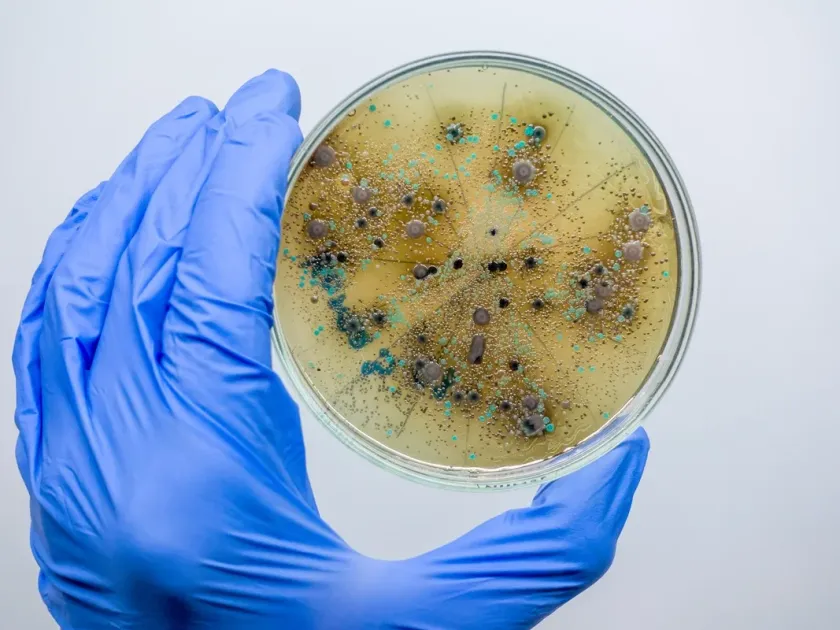
Description
Pathogen
Trichoderma gamsii is a beneficial soil fungus widely recognized in agriculture as an effective biocontrol agent against various plant pathogens.
Unlike disease-causing fungi, it acts as a biological defense system by colonizing the rhizosphere and protecting plant roots from infection.
This fungus produces enzymes and antimicrobial compounds that directly inhibit the growth and development of harmful root pathogens like Fusarium and Rhizoctonia.
It acts as a hyperparasite, actively seeking out and consuming the mycelium of competing harmful fungi within the soil ecosystem.
Its robust growth profile and high metabolic efficiency make it one of the most reliable tools for organic and sustainable farming practices.
Conditions for development
Optimal development of this fungus occurs in moist, well-aerated soils that provide sufficient organic matter for survival and colonization.
Temperatures ranging from 15 to 25 degrees Celsius are ideal for its mycelial expansion and production of secondary metabolites.
Neutral pH levels in the soil facilitate the best environment for its enzyme production, maximizing its protective efficacy against pests.
Lack of oxygen in heavily compacted or waterlogged soils can significantly limit the activity and survival of beneficial Trichoderma populations.
Exposure to direct UV light is harmful to spores; therefore, soil incorporation is a standard practice during the application of biofungicides.
Why it matters
The organism does not cause plant disease. In the context of modern agronomy, the species is considered entirely beneficial to crop production.
The absence or depletion of this fungus leads to a significant increase in the susceptibility of plants to soil-borne pathogens and root rot.
Intensive farming practices that rely exclusively on chemical fungicides often create an ecological vacuum where pathogens can spread unchecked.
A lack of biodiversity in the soil significantly reduces the natural disease-suppressive capacity of the plant's environment.
Therefore, the perceived harm is strictly related to the loss of natural biological control, which allows phytopathogenic fungi to dominate the root zone.
Protection
Maintaining a healthy population involves the regular application of biological products containing viable spores of this beneficial fungus.
Reducing the frequency of broad-spectrum chemical treatments helps preserve the natural soil microbiome and supports the colonization of useful fungi.
Incorporating compost and using cover crops provides the necessary substrate to sustain these biological organisms throughout the growing season.
- Seed coating with biofungicides before planting.
- Soil drenching for seedling protection.
- Increasing organic matter in the soil.
- Using crop rotation to disrupt pathogen cycles.
By focusing on soil health and biological control, growers can successfully suppress diseases while maintaining long-term environmental sustainability.
Discussion
No discussions yet — be the first.