
Trichoderma citrinum
Trichoderma citrinum
Description
Pathogen
The causative agent of the disease is the fungus Trichoderma citrinum. This species is a microscopic ascomycete within the Trichoderma genus, which, while often beneficial, can act as an opportunistic pathogen when plant vigor is compromised.
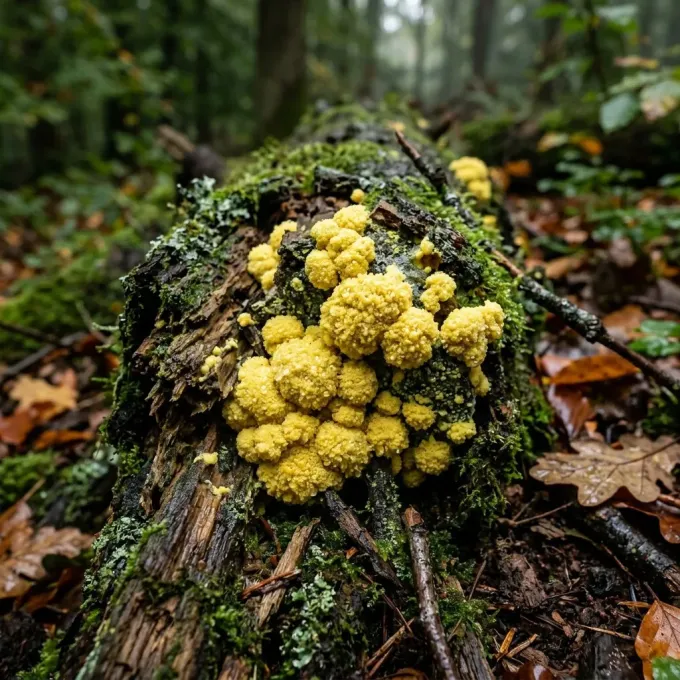
The fungus is characterized by its yellowish or lemon-colored mycelium growth on substrates, which is a key identifier. It reproduces via asexual conidia that are easily dispersed through irrigation water, wind, and agricultural equipment.
As an opportunistic pathogen, T. citrinum thrives by attacking weakened or stressed plant tissues. It utilizes powerful hydrolytic enzymes that break down plant cell walls, allowing the fungus to invade host tissues efficiently.
The pathogen can survive in soil environments for extended periods in the form of chlamydospores. These resting structures are highly resistant to environmental stress, ensuring the fungus persists even when suitable hosts are temporarily absent.
Upon infection, the fungus colonizes the intercellular spaces, drawing nutrients from the host while releasing metabolic byproducts that disrupt plant physiological processes and cause localized tissue necrosis.
Conditions for development
Development of the disease is most rapid under conditions of high humidity (above 85%) and moderate temperatures, typically ranging from 22°C to 28°C. These conditions favor the germination of spores and the subsequent rapid expansion of mycelial mats.
Poor ventilation in greenhouses or high planting density in fields creates microclimates that trap moisture around the foliage. This excess moisture facilitates the penetration of the fungus into the plant's susceptible tissues.
Mechanical damage resulting from insect feeding, hail, or agricultural operations creates entry points for the pathogen. In such areas, T. citrinum can establish infection much faster than on intact plant surfaces.
Failure to manage crop residues effectively promotes the buildup of inoculum in the soil. The fungus uses decomposing plant material as a growth substrate, significantly increasing the risk of subsequent infections for following seasons.
Using unsterilized growth media or contaminated containers is a frequent cause of outbreaks in propagation nurseries. Once established, the fungus can quickly spread through hydroponic systems or greenhouse irrigation networks.
Why it matters
The damage caused by Trichoderma citrinum manifests as stunted growth and compromised root systems. Plants infected by the fungus exhibit chlorosis, wilting, and a general loss of vitality as the infection spreads through the conductive tissues.
If the fungus affects fruits or reproductive parts, it leads to soft rot and early tissue decay, causing significant yield losses. Moreover, the production of secondary metabolites can lower the overall quality and market value of the harvested produce.
In severe cases, entire seedlings may die, necessitating replanting and leading to increased production costs. The infection can spread rapidly, potentially resulting in localized epidemics that significantly impact the total yield.
Infected plants become highly susceptible to secondary invaders, including other opportunistic bacteria and fungi. This makes the management of T. citrinum crucial to prevent complex multi-pathogen infections.
The long-term impact on the soil microbial community is also a concern, as the dominance of this pathogen can suppress beneficial soil organisms that naturally assist in nutrient uptake and plant health.
Protection
Implementing a strict crop rotation schedule is a fundamental strategy to minimize the accumulation of inoculum in the soil. Proper disposal and deep incorporation of crop residues help reduce the pathogen's primary survival source.
Managing irrigation to avoid waterlogging and ensuring adequate spacing between plants are essential for keeping foliage dry and discouraging fungal colonization. Greenhouse climate control should focus on maintaining optimal airflow.
The use of biological control agents, particularly specific strains of Trichoderma species that act as competitors, has proven effective in suppressing T. citrinum. These beneficial microbes protect the root zone by colonizing it first.
Chemical fungicides should be applied only when necessary and as part of an integrated pest management program. Rotating active ingredients is critical to prevent the development of resistant fungal populations.
Regular sanitation of agricultural tools, greenhouses, and planting trays is necessary to prevent the mechanical transfer of spores. Monitoring crops for early signs of infection allows for prompt removal of diseased individuals, preventing further spread.
Discussion
No discussions yet — be the first.