
Trichoderma afroharzianum
Trichoderma afroharzianum
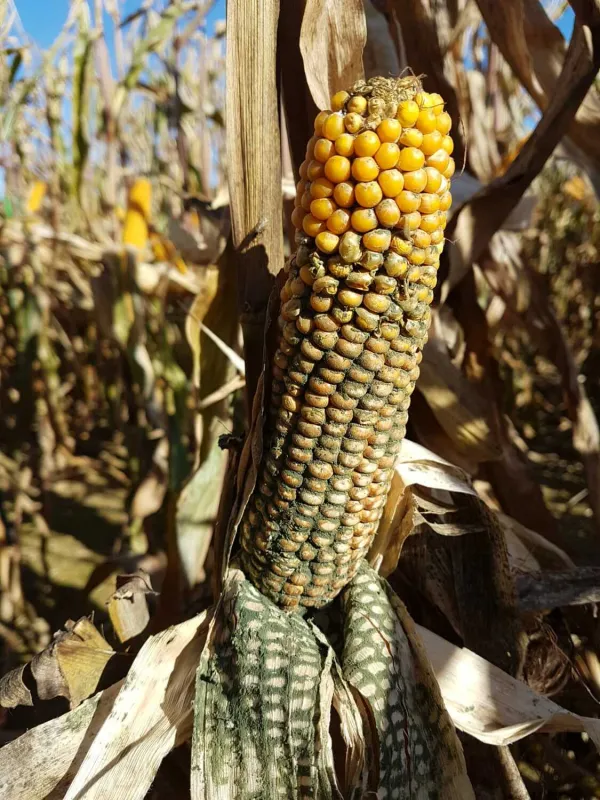
Description
Symptoms
The primary symptom of infection is the sudden wilting of the plant, which often does not recover even after watering. This is a direct consequence of root system compromise.
When inspecting the roots, one will notice discoloration, typically ranging from light brown to black. The root tissues become soft and necrotic, effectively losing their ability to transport water and nutrients.
A fluffy mycelial growth may appear on the base of the stem or the root collar under high humidity conditions. This growth can vary in color from white to distinct green hues.
Leaf chlorosis is another common sign, as the plant suffers from a systemic deficiency caused by the inability of the damaged roots to absorb soil minerals effectively.
In young seedlings, the infection often causes damping-off symptoms, where the stem becomes thin, dark, and breaks easily at the soil line.
Pathogen
Trichoderma afroharzianum is a fungal species that has gained attention in phytopathology due to its complex nature. While many Trichoderma species are known as beneficial biocontrol agents, this specific species has been identified as a potential pathogen in certain agricultural contexts.
The fungus is a member of the Hypocreaceae family. It exhibits significant genetic diversity and can transition from a saprophytic lifestyle to an opportunistic pathogen when host plants are stressed or growing conditions are suboptimal.
It possesses powerful enzymes that allow it to penetrate plant tissues. Under specific environmental cues, it can colonize the root cortex, causing significant physiological damage to the host plant.
The mycelium of this fungus is fast-growing and capable of producing large quantities of conidia, which serve as the primary source of infection in greenhouses and open fields.
Understanding the difference between commercial biological control agents (often labeled as Trichoderma) and these pathogenic wild strains is crucial for modern plant health management.
Conditions for development
The development of Trichoderma afroharzianum is heavily favored by waterlogged soil conditions and poor drainage, which lead to a low-oxygen environment in the rhizosphere.
High humidity combined with warm temperatures creates an optimal climate for sporulation and the rapid spread of the fungus throughout the growing substrate.
Lack of crop rotation and the reuse of unsterilized potting media provide a continuous reservoir of inoculum, allowing the pathogen to thrive in closed production systems.
Plants subjected to environmental stresses, such as extreme temperature fluctuations or improper soil pH, show increased susceptibility to colonization by this opportunistic fungus.
The presence of high amounts of undecomposed organic matter in the soil can sometimes trigger a population explosion of the fungus, leading to a higher risk of plant infection.
Why it matters
The most significant damage is the total destruction of the root system, which prevents plant growth and leads to eventual death. In severe cases, total crop failure can occur.
Economic losses are compounded by the fact that this pathogen can persist in the soil for long periods, making it difficult to return to normal production cycles without remediation.
Secondary infections, such as those caused by soil-borne bacteria, often enter through the lesions created by the fungus, further complicating the plant's recovery.
In vegetable production, the disease significantly reduces fruit quality and yields, making the crops unsuitable for market standards.
The hidden nature of the infection means that by the time visible signs of wilting appear, the root system is often too damaged for standard recovery treatments.
Protection
Proper water management is the first line of defense. Ensuring excellent soil drainage and avoiding over-irrigation prevents the conditions favored by the fungus.
Implementing strict sanitation protocols, including the sterilization of tools and trays, is essential to stop the spread of spores within the greenhouse.
The use of certified, clean growing media and the practice of regular crop rotation help maintain a healthy soil microbiome, which suppresses pathogen development.
Integrated Pest Management (IPM) strategies, which include the use of fungicides when necessary and improving plant vigor, help to protect crops from infection.
Promptly removing and destroying infected plant material, including the surrounding soil, is a critical step in managing the infection and preventing its spread to healthy plants.
Discussion
No discussions yet — be the first.