
Trichocomaceae molds
Trichocomaceae
Description
Symptoms
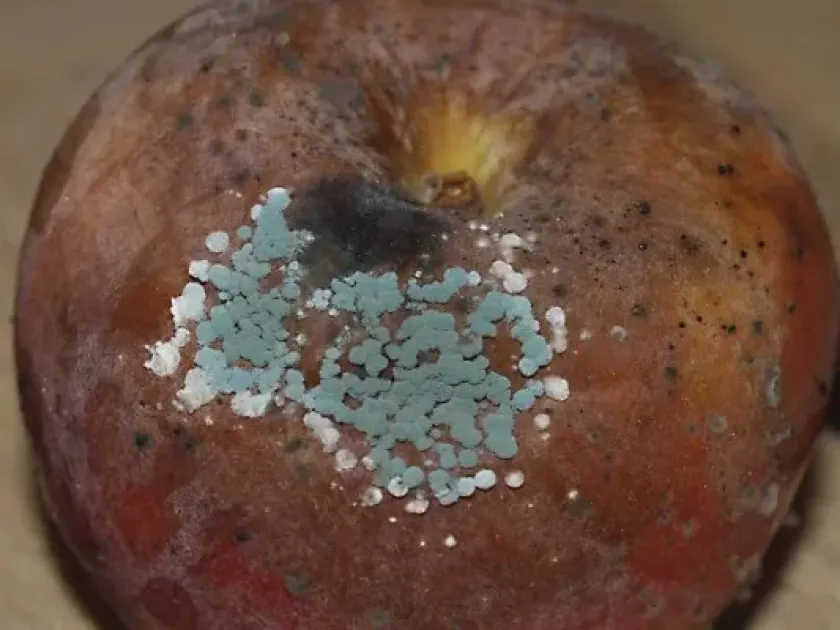
The primary symptom of infection is the appearance of a fuzzy mold layer, which can vary in color from blue-green for Penicillium species to yellow, black, or brown for Aspergillus species.
Infected plant tissues lose turgor, become soft, and eventually begin to decay, emitting a characteristic musty odor associated with mold development.
On stored grains and seeds, the mold forms dense, dusty patches that expand over time, turning the grain mass into a matted, unusable substance.
When attacking living plant parts, such as fruits or root vegetables, the fungi cause tissue deformation, sunken lesions, and complete destruction of cellular structures.
In field conditions, these symptoms may be confused with other rots, but the presence of microscopic, fluffy fungal growth under magnification confirms the involvement of Trichocomaceae.
Pathogen
The family Trichocomaceae includes a group of ascomycetous fungi that function as common saprotrophs and facultative parasites. The most well-known genera within this family are Aspergillus and Penicillium.
These pathogens are characterized by conidial sporulation, which is often brightly colored, giving the mold its distinct appearance. They reproduce asexually, producing vast amounts of spores that are easily disseminated by air currents.
These fungi are ubiquitous microorganisms capable of colonizing soil, plant debris, and agricultural storage facilities. They possess high enzymatic activity, allowing them to degrade complex organic compounds effectively.
In terms of phytopathology, Trichocomaceae fungi often act as secondary invaders, colonizing plant tissues that have already been weakened by environmental stress, mechanical injury, or other primary diseases.
A biological feature of this family is their ability to form specialized structures called cleistothecia, which allow the fungi to survive in extremely harsh environmental conditions.
Conditions for development
High humidity levels in the air and substrate, typically exceeding 70–80 percent, are the most critical factors for the rapid development of these mold fungi.
The temperature optimum for most species ranges from 20 to 30 degrees Celsius, making poorly ventilated storage facilities ideal environments for their propagation.
Poor storage management, such as piling wet or mechanically damaged produce, dramatically increases the risk of mold outbreaks in silos and warehouses.
Mechanical injuries to the epidermis of fruits or seeds provide direct entry points for fungal spores to colonize the inner tissues of the plant.
Accumulated plant debris in fields and high planting density combined with poor airflow create microclimates with increased humidity, which are highly conducive to sporulation.
Why it matters
The primary damage results in the total loss of marketability and quality of agricultural products, rendering them unsuitable for sale or long-term storage.
Trichocomaceae fungi can produce hazardous mycotoxins, such as aflatoxins and ochratoxins, which make the grain or feed toxic to humans and livestock.
During the growing season, these molds can reduce seed viability by attacking the embryo, leading to poor emergence and reduced yields in the early stages.
The active metabolism of mold fungi in storage leads to increased temperatures within the grain bulk, causing self-heating and the spoilage of large crop quantities.
Product losses can reach 50–100 percent if immediate measures to stabilize humidity and environment are not implemented.
Protection
The cornerstone of defense is maintaining optimal storage conditions: humidity levels below 60 percent and active ventilation of the storage area.
Before entering storage, all produce should be thoroughly cleaned of impurities and dried to a moisture level that inhibits fungal growth.
The use of fungicidal seed treatments prevents the infection of the future crop by soil-borne pathogens during the germination phase.
Strict adherence to crop rotation practices and the timely removal of plant debris from fields helps reduce the infectious load in the soil.
Regular disinfection of warehouses, silos, and containers using sulfur burners or specialized fungicidal solutions significantly lowers the spore count in the air.
Discussion
No discussions yet — be the first.