
Trichocladium rot
Trichocladium griseum
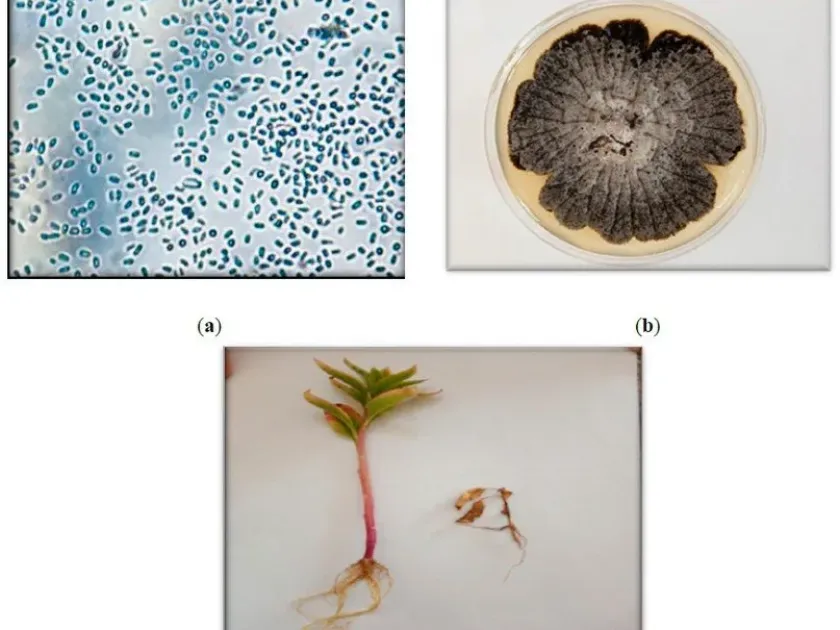
Description
Symptoms
Initial symptoms of Trichocladium rot include the darkening and necrosis of the root crown, often accompanied by a soft rot of the primary root system.
As the infection progresses, affected plants show visible signs of wilting, particularly during hot periods of the day, due to the compromised integrity of the vascular tissue.
A distinctive grayish or brownish fungal mycelium may appear on the surface of the roots and the base of the stems, especially under high humidity conditions.
Seedlings infected by Trichocladium griseum often display stunted growth, chlorotic leaves, and may die prematurely, leading to gaps in the crop stand.
Root systems exhibit significant degradation, appearing brittle and decayed, which effectively prevents the plant from absorbing necessary water and nutrients from the soil.
Pathogen
The causative agent of the disease is the fungus Trichocladium griseum, which is classified as a soil-borne pathogen capable of surviving for long periods in crop residues.
This pathogen survives in the soil primarily through mycelial structures and chlamydospores, which are highly resilient to harsh environmental conditions and nutrient fluctuations.
The fungus is primarily a saprotroph that can transition to a pathogenic lifestyle when it comes into contact with the root systems of susceptible host plants.
It utilizes various enzymatic pathways to colonize plant tissues, breaking down structural components such as cellulose and pectin within the cell walls of the roots.
The dispersal of the pathogen is facilitated by the movement of soil water, agricultural equipment, and the cultivation of susceptible crops in infested fields.
Conditions for development
Optimal development of Trichocladium rot occurs in moist, poorly drained soils where stagnant water levels promote fungal activity and inhibit natural soil aeration.
The disease typically favors moderate soil temperatures ranging from 15 to 22 degrees Celsius, which align with the peak vegetative growth periods for many crops.
High levels of undecomposed organic matter in the soil serve as a nutrient reservoir for the fungus, sustaining its population levels even in the absence of a host.
Compaction of the soil prevents proper root oxygenation, creating an anaerobic environment that weakens the plant’s defenses against fungal penetration.
Excessive nitrogen application can also create succulent tissues that are more susceptible to rapid colonization by Trichocladium griseum.
Why it matters
The primary economic impact of this disease is the reduction in plant stand density, which directly impacts the final yield potential of the agricultural field.
Infected crops suffer from reduced vigor and lower productivity, as the impaired root system fails to sustain the energy requirements of the plant during grain filling.
The presence of Trichocladium griseum in the soil limits the rotation options available to farmers, as susceptible crops will suffer persistent losses if planted repeatedly.
Increased susceptibility to secondary stressors, including drought and thermal shock, often leads to significant crop failure in fields heavily infested with this pathogen.
Long-term infestation can lead to a decline in soil quality as the disease-suppressive microbial communities are displaced by the proliferation of the fungal pathogen.
Protection
Effective management begins with strict crop rotation practices, ensuring that susceptible host plants are not grown on the same field for at least three to four years.
Seed treatment with broad-spectrum systemic fungicides is critical to protect young seedlings from early infection during the vulnerable germination phase.
Improving soil drainage through tiling and land leveling helps to prevent waterlogging, which is a major factor driving the spread of soil-borne fungal diseases.
Deep tillage practices assist in the burial of infected crop residues, accelerating their decomposition and reducing the survival sites for the pathogen in the soil profile.
Integrated pest management strategies should focus on maintaining balanced soil fertility and promoting healthy root growth to naturally enhance the plant's resistance.
Discussion
No discussions yet — be the first.