
Trichaptum laricinum
Trichaptum laricinum
Description
Symptoms
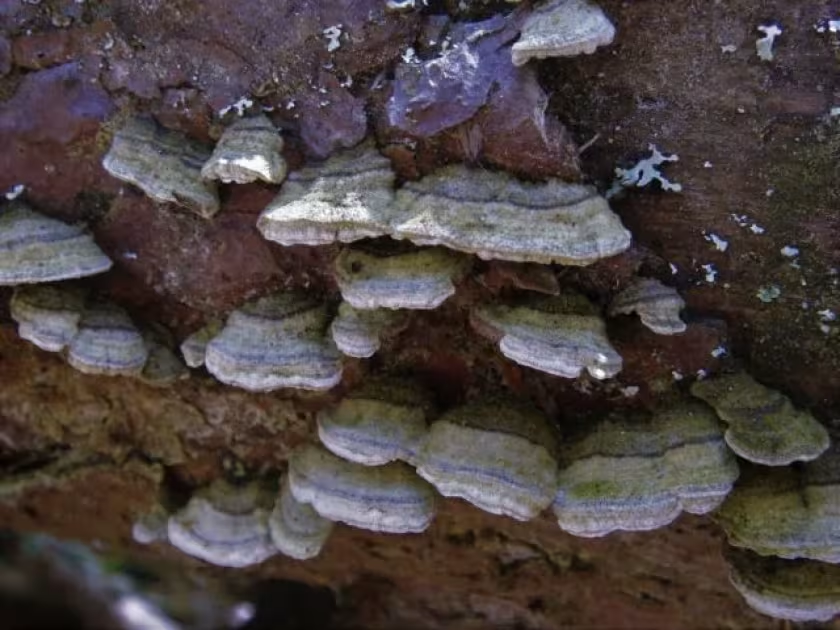
The most visible indicator of an infection is the formation of bracket-like fruit bodies on the trunk or stumps. These often appear as overlapping clusters with a distinct texture.
Infected wood exhibits signs of white rot. In the early stages, the wood becomes bleached, and as the decay progresses, it turns soft, fibrous, and loses its mechanical strength.
The crown of an infected tree often shows signs of stress, including needle yellowing, needle loss, and branch dieback due to the disrupted vascular system.
A tell-tale sign of advanced decay is the presence of dark or black lines within the wood tissue, marking the boundaries where the fungus has actively been digesting the wood.
Trees affected by this fungus become structurally unstable, leading to an increased risk of windthrow and trunk breakage during severe weather conditions.
Pathogen
The causal agent of this disease is the wood-decay fungus Trichaptum laricinum, a member of the Polyporaceae family. It is a basidiomycete fungus known for its destructive impact on coniferous wood tissues.
The fungus produces annual or sometimes perennial fruit bodies on the surface of infected wood. These structures are the primary source of spores used for reproduction and further dissemination within the forest ecosystem.
The mycelium of the fungus colonizes the tree's inner tissues, secreting enzymes that break down lignin and cellulose. This process leads to the loss of structural integrity of the timber.
Pathogen spores are dispersed primarily by wind currents. When they land on wounds, cracks, or exposed wood, they germinate and initiate a new infection cycle.
This pathogen demonstrates a high degree of host specificity, primarily targeting larch and other conifers, making it a critical focus for forest health management.
Conditions for development
The development of Trichaptum laricinum is favored by high humidity levels and moderate temperatures, which are common in many coniferous forest environments.
Trees with existing mechanical injuries, such as broken branches, bark scars, or logging damage, are significantly more susceptible to colonization by the fungus.
Densely planted forests with poor air circulation create a localized microclimate that allows spores to settle and germinate more effectively on host surfaces.
Stressed trees, whether due to drought, insect infestations, or nutrient deficiencies, possess a weakened immune response, making them easier targets for fungal pathogens.
Decaying stumps, fallen logs, and slash piles in the forest act as reservoirs for the pathogen, providing a consistent supply of spores that can infect neighboring healthy trees.
Why it matters
The primary economic impact is the degradation of timber quality. The white rot caused by the fungus renders the wood useless for structural purposes or high-quality lumber.
Persistent infections lead to significant mortality rates in larch stands, reducing forest productivity and requiring expensive sanitation management.
Beyond timber loss, the disease compromises the overall health and resilience of the ecosystem, potentially making it more vulnerable to secondary pest outbreaks.
Forest stands infected with this pathogen lose their ecological and aesthetic value, often becoming fire hazards due to the accumulation of dead standing timber.
The cumulative damage includes the cost of removing infected materials and the loss of potential carbon sequestration from dying trees.
Protection
Sanitation is the most effective management strategy. This involves the prompt identification and removal of infected trees and stumps to eliminate primary sources of inoculum.
It is vital to adopt careful silvicultural practices to prevent unnecessary wounding of tree bark. Any accidental wounds should be treated to prevent fungal entry.
Promoting forest health through proper spacing and stand thinning improves air circulation, creating a less favorable environment for the growth of decay fungi.
- Conduct regular forest pathology inspections.
- Ensure rapid removal of dead and diseased timber.
- Implement strict hygiene practices during harvesting operations.
In forest nurseries, preventive application of fungicides may be necessary to protect young stock, especially in areas with a history of fungal prevalence.
Discussion
No discussions yet — be the first.