
Tribonema viride
Tribonema viride
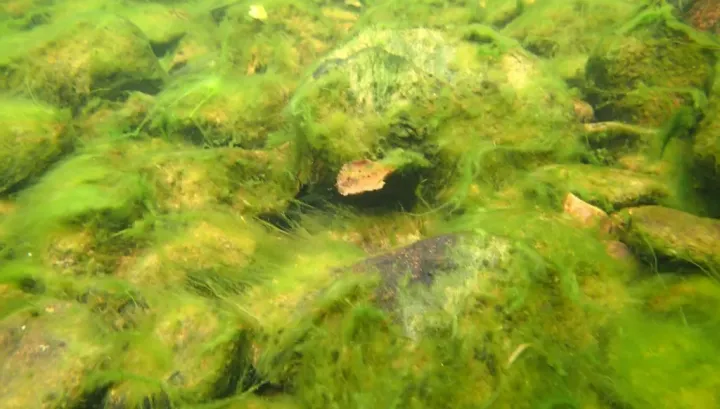
Description
Symptoms
The primary sign of infestation is the formation of dense, slime-like mats or bright green filamentous webs on the water surface.
These mats often cling to young rice seedlings, physically enveloping them and hindering their emergence and vertical growth.
As the algae population increases, the water may appear cloudy or covered by a thick layer of vegetation, blocking sunlight from reaching the crop base.
When water levels recede, the algae may form a thin, dry, papery crust over the soil surface or the stalks of the plants.
Plants affected by the presence of this algae typically show chlorosis and stunted growth compared to healthy crops in clean water.
Pathogen
Tribonema viride is a species of yellow-green algae that frequently acts as a nuisance organism in rice paddies and aquaculture systems.
The organism consists of unbranched filaments made of cylindrical cells, each containing multiple disc-shaped chloroplasts responsible for its color.
It reproduces primarily through vegetative fragmentation of its filaments, which allows it to colonize water surfaces rapidly in favorable conditions.
While not a plant pathogen in the traditional sense of attacking host tissues via infection, it competes aggressively with crops for resources.
This alga is highly adaptive to stagnant or slow-moving water environments, making it a persistent challenge in flooded cultivation systems.
Conditions for development
The growth of Tribonema viride is heavily promoted by high light intensity and sufficient nutrient levels in the irrigation water.
Water temperatures ranging from 18 to 25 degrees Celsius provide the ideal metabolic rate for rapid cell division and filament expansion.
Poor water circulation in paddies leads to stagnant conditions, which are highly conducive to the establishment of massive algal blooms.
Excessive use of nitrogen-based fertilizers in the field often leads to nutrient runoff into the water, fueling the explosive growth of the algae.
Presence of decomposing plant debris in the sediment provides a steady supply of nutrients, further supporting the persistence of the species.
Why it matters
The main damage is characterized by the physical suppression of young rice seedlings, leading to reduced plant stand density and uneven crop maturation.
Algal mats restrict the exchange of gases in the root zone, which can create anaerobic conditions detrimental to the health of the rice plants.
The competition for sunlight and essential nutrients stresses the crops, particularly during the early stages of the vegetative development phase.
Heavy infestations obstruct irrigation channels and maintenance access, complicating standard farm management practices throughout the season.
Ultimately, a high density of this algae can result in significant yield losses due to reduced photosynthetic capacity and overall plant vigor.
Protection
Effective management begins with maintaining appropriate water levels to limit excessive warming and stagnation in the rice fields.
Improving water flow and implementing precise nutrient management helps prevent the eutrophication necessary for rapid algal spread.
In cases of severe infestation, targeted application of approved algicides may be necessary, strictly following dosage and safety regulations.
Cultural practices such as proper field leveling and crop rotation are essential for reducing the initial inoculum levels of the algae.
- Regular monitoring of water quality.
- Mechanical removal of algal mats.
- Optimizing fertilizer application timing.
Discussion
No discussions yet — be the first.