
Tribonema
Tribonema minus
Description
Symptoms
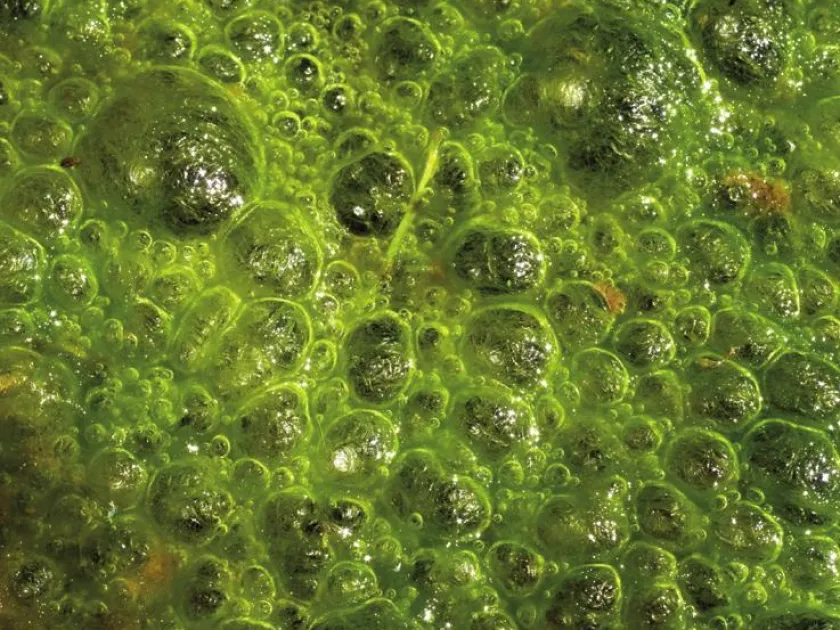
The primary symptom is the appearance of a greenish, slimy, or velvet-like film on the soil surface, which is particularly common in greenhouse environments.
These algal mats can create a hard, physical crust as the soil dries out, which creates a mechanical barrier preventing seedling emergence.
Young sprouts may become entangled in the algal filaments, which restricts their movement and can cause twisting or developmental stunting.
In severe infestations, the presence of the algae is associated with a distinct, damp odor and an unhealthy, dark discoloration of the topsoil.
Seedlings affected by this growth often exhibit signs of chlorosis, as the algal crust limits oxygen exchange with the root zone.
Pathogen
Tribonema minus is a species of yellow-green filamentous algae that can proliferate on soil surfaces and in moist environments, posing risks to crop development.
Belonging to the class Xanthophyceae, these organisms are photosynthetic and thrive in environments with sufficient light and high nutrient availability.
Morphologically, Tribonema consists of unbranched filaments formed by a series of cylindrical cells that can quickly expand into mats or colonies.
In agronomic contexts, this organism is categorized as a nuisance species that interferes with the germination and early establishment of seedlings.
The biology of this species is highly adapted to fluctuating moisture levels, allowing it to survive in dormant forms until environmental conditions become optimal.
Conditions for development
The development of Tribonema is heavily influenced by excessive moisture and poor drainage in the soil profile.
High light intensity, especially in greenhouses, stimulates the photosynthesis of these algae and leads to rapid biomass accumulation.
The over-application of nitrogenous and phosphorus fertilizers provides the necessary nutrients for the algae to outcompete beneficial soil biota.
Poor soil aeration prevents the drying of the surface, creating a permanent state of dampness that is ideal for filamentous growth.
Optimal growth occurs at temperatures ranging between 15 and 25 degrees Celsius, making it a common issue during the early spring and autumn.
Why it matters
The main negative effect is the restriction of oxygen to the roots, which causes physiological stress in cultivated plants and reduces growth rates.
Tribonema acts as a nutrient sink, depleting minerals from the topsoil layer that would otherwise be available for crop uptake.
The formation of algal mats serves as a substrate for other pathogenic fungi and bacteria, which may lead to damping-off disease in seedlings.
Mechanical damage caused by the algal crust can result in uneven stands and significant yield losses in sensitive vegetable crops.
In horticultural production, the algae can degrade the quality of potting media, making it difficult to maintain healthy seedlings in nursery trays.
Protection
Effective management begins with strict irrigation control, ensuring that the soil surface has sufficient time to dry between watering sessions.
Mechanical disturbance, such as regular hoeing or cultivating the top layer of the soil, is highly effective at breaking up algal crusts.
- Improved greenhouse ventilation to reduce humidity.
- Balanced nutrient application to avoid over-fertilization.
- Use of well-draining substrates for nursery crops.
- Application of mulch to suppress light exposure.
Sanitation practices, including the sterilization of tools and benches, are essential to prevent the spread of algal spores in closed environments.
While chemical algicides are available, priority should always be given to agrotechnical adjustments to prevent the reoccurrence of the organism.
Discussion
No discussions yet — be the first.