
Tribonema
Tribonema
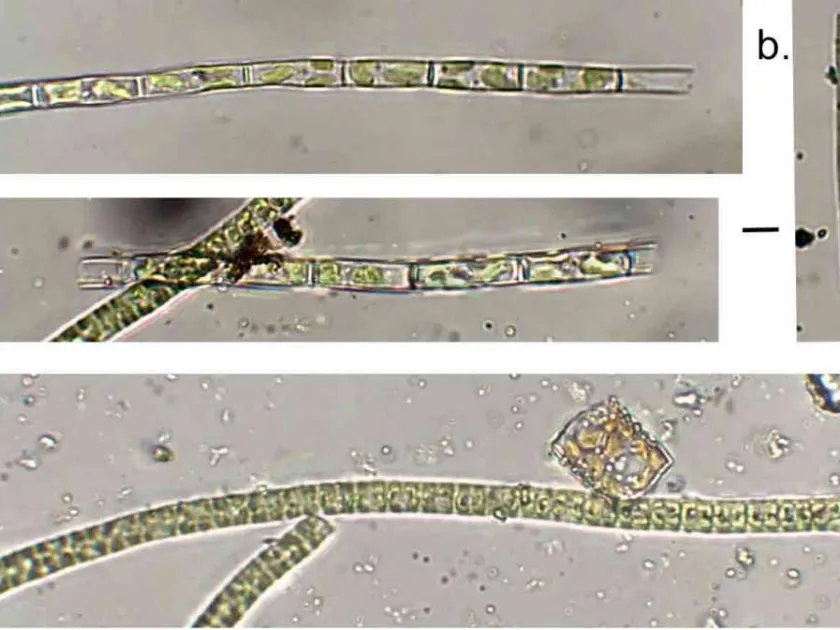
Description
Symptoms
The primary symptom is the presence of dense, cotton-like green or yellowish-green mats floating in the water or attached to submerged plant surfaces.
These filaments entangle young crop seedlings, restricting their growth and preventing them from reaching the water surface successfully.
Infected areas often show signs of chlorosis in the crop, as the algae shade the leaves and reduce the plant's ability to perform photosynthesis.
Heavy infestations are characterized by a stagnant, foul-smelling water surface as the algae consume dissolved oxygen during the night.
Farmers can observe the growth of these filaments physically binding stems together, leading to deformed plant architecture and reduced crop vigor.
Pathogen
Tribonema is a genus of yellow-green algae that acts as a significant nuisance in agricultural systems, particularly in paddy fields, where it behaves like a weed or pathogen.
It consists of unbranched filamentous thalli that grow in chains, making it highly adaptable and capable of rapid vegetative spread in aquatic environments.
While not a classical fungal disease, the organism is classified within the Xanthophyceae group and can cause severe damage by competing with crop plants for resources.
Its biological cycle is strongly influenced by light availability and water quality, allowing it to dominate areas where nutrient levels are elevated.
The organism's ability to fragment into smaller pieces allows it to colonize entire irrigation systems rapidly if conditions are favorable.
Conditions for development
Tribonema thrives in water with high concentrations of nitrogen and phosphorus, usually caused by fertilizer runoff from treated fields.
Optimal growth occurs in standing water at temperatures ranging from 18°C to 25°C, where current and flow are minimal.
Increased transparency of the water, especially during the early stages of crop growth, allows sunlight to penetrate deep and fuel algae proliferation.
Poor water management practices, such as lack of water exchange in irrigation channels, create a stable, nutrient-rich environment for the organism.
Excessive sunlight exposure further accelerates the photosynthetic rate of the algae, leading to sudden population explosions within a few days.
Why it matters
The main danger lies in the physical suppression of crop growth, which leads to significant stand thinning and reduced plant density.
The algae compete for essential minerals, essentially "stealing" the nutrients meant for the crops, leading to lower total yield.
By creating dense surface mats, Tribonema limits the oxygen exchange at the water surface, which is detrimental to the roots of the crop.
The added weight of the algal mats can cause the stems of young plants to break or lodge, especially when water levels fluctuate.
In addition to crop damage, the proliferation of this algae clogs drainage pipes and irrigation pumps, increasing maintenance costs for the farm.
Protection
Integrated water management, specifically regular water exchange, is the most effective way to disrupt the stable environment required by the algae.
Application of selective algicides can be used in severe cases, provided that environmental safety guidelines are strictly followed.
Nutrient management is critical; avoiding over-fertilization helps keep the water quality poor enough to limit algal growth.
Mechanical removal and biological control methods, such as stocking fish that consume algae, can help maintain balance in the aquatic ecosystem.
- Ensuring constant water movement.
- Optimized nitrogen fertilizer application.
- Regular cleaning of irrigation ditches.
- Use of environmentally safe copper-based algaecides.
Discussion
No discussions yet — be the first.