
Triangularia
Triangularia
Description
Symptoms
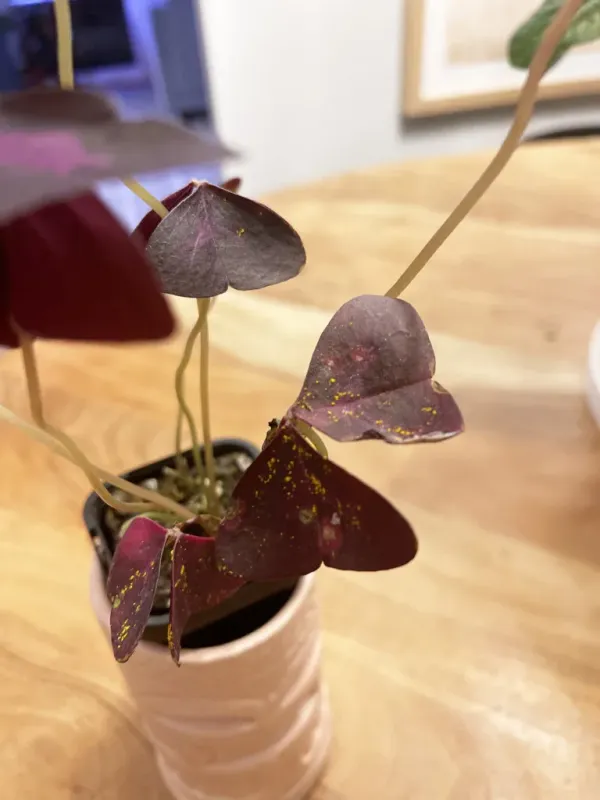
The initial symptoms often appear as small chlorotic spots on the surface of the leaves. These spots gradually expand and develop into necrotic lesions with irregular margins.
Under humid conditions, small dark fruit bodies of the fungus may emerge within the necrotic tissue. These are often visible to the naked eye as minute, dark specks.
As the infection progresses, affected leaves may wither, curl, and drop prematurely. Extensive spotting can cause significant leaf loss, particularly in the lower canopy of the plants.
Stem infections can occur, resulting in localized discoloration and lesions that interfere with nutrient and water transport within the plant vascular system.
The disease development is often slow, but can become severe if environmental conditions remain favorable for the pathogen over an extended period.
Pathogen
The causal agent of this disease is the fungus Triangularia, belonging to the class Ascomycetes. It is characterized by specific perithecia structures which serve as a key diagnostic feature for mycologists.
The fungus is primarily a saprotroph found in soil and on decaying organic matter, but it can act as a facultative parasite under conditions that stress the host plant.
Propagation is facilitated by the production of ascospores. These spores are lightweight and easily dispersed by wind or splashing water during irrigation or rainfall.
The mycelium of the pathogen penetrates plant tissues, colonizing the intercellular spaces. Once established, it can remain dormant in the soil or crop debris for multiple growing seasons.
The biological cycle of the fungus is highly adaptive, allowing it to survive in various environments and quickly colonize vulnerable tissues of a wide range of host plants.
Conditions for development
High humidity and consistent moisture are the most critical factors for the development of Triangularia infections. Moderate temperatures between 18°C and 25°C favor rapid colonization.
Poor ventilation in dense crop stands creates a microclimate that prevents foliage from drying out, which significantly increases the susceptibility of the plants to the fungus.
Lack of proper field sanitation, such as leaving crop residues from previous seasons, ensures that the pathogen remains present in the immediate vicinity of the new crop.
Plants under physiological stress, caused by nutrient deficiency, drought, or waterlogging, are significantly more vulnerable to colonization by this pathogen.
Mechanical damage to leaves and stems, often caused by pest activity or during routine field operations, provides an easy entry point for the fungus.
Why it matters
The main impact of the disease is the reduction of the photosynthetic leaf area. This results in significant yield losses and reduced accumulation of carbohydrates in fruits and seeds.
Premature leaf drop leads to plant weakness, reduced growth rates, and increased susceptibility to secondary infections by other opportunistic microorganisms.
Crop quality is negatively affected, leading to smaller product size and lower nutritional value, which may make the harvest unsuitable for commercial sale.
The economic harm includes not only the direct loss of yield but also the increased operational costs associated with fungicides and intensified field management.
Persistent presence of the fungus in a field can lead to long-term soil health degradation, making it difficult to maintain high crop productivity without extensive intervention.
Protection
Crop rotation is the most effective preventive measure. Avoiding the planting of susceptible hosts in the same field for at least three years helps break the infection cycle.
Sanitation practices, such as the removal or deep burial of crop residues, significantly reduce the initial inoculum level in the soil.
The use of certified disease-free seeds and the selection of varieties with high natural resistance are essential components of an Integrated Pest Management (IPM) strategy.
Fungicide applications, when used as part of a scheduled program during early infection stages, can provide effective control and prevent the mass spread of the pathogen.
- Regular monitoring of fields to detect early symptoms of infection.
- Optimization of planting density to ensure adequate airflow within the canopy.
- Balanced fertilization to improve overall plant robustness and defense mechanisms.
Discussion
No discussions yet — be the first.