
Tremellodendropsis
Tremellodendropsis
Description
Symptoms
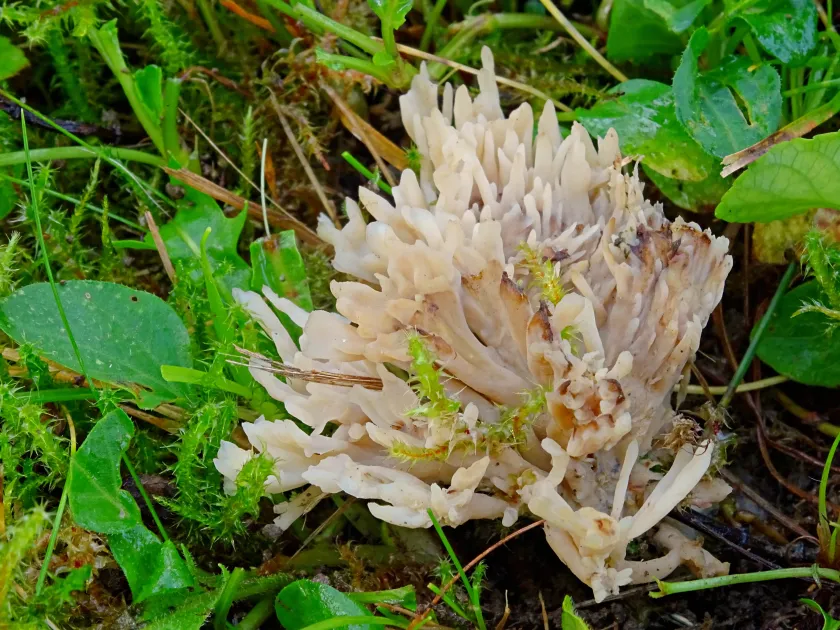
The visual presence of Tremellodendropsis is marked by gelatinous, branched fruiting bodies that emerge directly from the soil surface.
The coloration of these structures usually ranges from white and cream to pale yellowish tones depending on environmental moisture levels.
They often appear in clusters near the base of shrubs or trees, which can mislead observers into suspecting root rot or crown infection.
Unlike necrotic plant symptoms, these structures are distinct, fleshy, and possess a unique texture unrelated to host plant tissue degradation.
They do not cause leaf chlorosis, stunted growth, or wilting, which are typical indicators of genuine plant pathogens.
Pathogen
Tremellodendropsis is a genus of basidiomycete fungi often mistaken for plant diseases due to their growth habit near root zones.
In reality, these organisms are strictly saprotrophic, meaning they derive nutrients from decaying organic matter rather than infecting living plant tissue.
Biologically, they belong to the class Tremellomycetes and are characterized by their distinct, often coral-like or branched fruiting bodies.
Their mycelium colonizes forest litter or the upper soil layers, facilitating the decomposition of organic materials.
Consequently, from a phytopathological perspective, this fungus should not be categorized as an infectious disease of agricultural crops.
Conditions for development
High soil moisture and moderate temperatures during the growing season are the primary drivers for the development of these fungi.
They favor shaded areas with high organic content, such as forest soil, mulch, or sites with accumulated leaf litter and woody debris.
The presence of decomposing plant material is essential, as it provides the necessary substrate for the fungus to thrive and produce fruiting bodies.
Prolonged rainy periods significantly increase the density and visibility of these fungal structures on the ground.
During dry spells, the fruiting bodies quickly desiccate, often vanishing from sight as they are ephemeral structures dependent on water.
Why it matters
The fungus causes no direct harm to plants, as it lacks the physiological mechanisms to parasitize living hosts or secrete phytotoxic compounds.
There is zero documented evidence of Tremellodendropsis causing yield loss or disease in cultivated crops.
In ecological terms, it is a beneficial organism, participating in the breakdown of lignin and cellulose within the soil ecosystem.
Its presence is merely a sign of nutrient cycling and biological activity rather than a threat to orchard or garden productivity.
Confusion between this fungus and dangerous root rots often leads to unnecessary anxiety for gardeners and farmers alike.
Protection
Since Tremellodendropsis is not a plant pathogen, there is no need for chemical control, fungicides, or any specific intervention.
If the appearance of these fungi is undesirable for aesthetic reasons, standard garden maintenance practices are sufficient to manage their occurrence.
Improving soil drainage and removing excessive organic debris near plant stems can reduce the environment suitable for their growth.
Applying fungicides is strongly discouraged as it could negatively impact beneficial soil biodiversity that supports overall plant health.
- Enhancing soil aeration and drainage.
- Removing excess woody debris or mulch near plant bases.
- Maintaining appropriate moisture levels.
Discussion
No discussions yet — be the first.