
Tremella fungi
Tremellaceae
Description
Symptoms
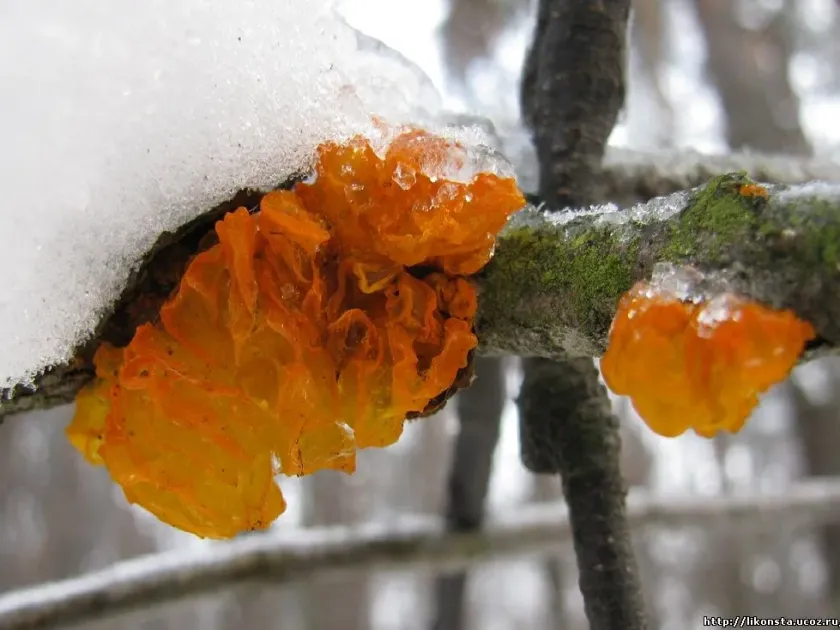
The most distinctive sign is the formation of translucent, gelatinous, or rubbery growths on the branches or trunks of trees, often appearing after rain.
The colors typically range from vibrant yellow and orange to pale or colorless, depending on the specific species and moisture content of the environment.
In dry conditions, these fruiting bodies shrink significantly, forming thin, crust-like structures that are easily overlooked but remain viable sources of infection.
The underlying bark often shows signs of decay, such as discoloration, softening, or cracking, which clearly indicates the fungal presence.
Affected trees may exhibit signs of overall decline, including chlorosis (yellowing of leaves), stunted growth, and the gradual dieback of smaller twigs.
Pathogen
Tremellaceae is a family of basidiomycete fungi known for their jelly-like appearance. While primarily saprotrophic, some species are associated with weakened tree bark and can act as opportunistic pathogens.
The disease is classified as a wood or bark mycosis. The pathogen invades the cortical tissues of trees, especially those already stressed by environmental factors or mechanical injuries.
Biologically, these fungi are characterized by their ability to swell rapidly when exposed to high moisture, transforming into gelatinous fruiting bodies.
The mycelium develops within the bark layers, eventually penetrating deeper into the sapwood, which can interfere with the tree's vascular system over long periods.
The life cycle involves spore dispersal via wind and water, allowing the fungus to settle on any available substrate, particularly wounds that have not healed properly.
Conditions for development
High humidity and prolonged periods of rainfall are the primary drivers for the growth and spread of Tremella fungi, as they require constant surface moisture.
Shaded, poorly ventilated areas of the garden provide an ideal microclimate, preventing the bark from drying out and promoting fungal colonization.
Optimal temperatures for the growth of these fungi range from 10 to 22 degrees Celsius, coinciding with the typical conditions of spring and autumn.
Mechanical damage, such as pruning cuts, frost cracks, or sunscald, serves as the main point of entry for the fungal spores to invade the host plant.
Overcrowded plantations or dense canopies that restrict airflow encourage the accumulation of moisture and spore buildup, increasing the disease pressure.
Why it matters
The primary harm is the structural degradation of the bark, which weakens the tree and makes it susceptible to branch breakage during storms.
The fungi act as a stress factor, reducing the tree's vigor and immunity, which leaves it vulnerable to more aggressive secondary pathogens and wood-boring insects.
By interfering with the tree's vascular health, the infection limits nutrient transport, causing branches to dry out and eventually leading to localized death of tissues.
Severe infestations can lead to the death of the tree if the trunk is significantly colonized, as the mycelium disrupts the protective barrier of the bark.
Beyond physical damage, the presence of these fungi creates a negative aesthetic impact in gardens and orchards, signaling improper tree management.
Protection
Sanitation is the most effective management strategy; all dead or heavily infected branches must be pruned and removed from the garden immediately.
All pruning wounds should be treated with a protective sealer or a fungicidal paste to prevent spores from entering the fresh wood tissue.
Regular maintenance, including whitewashing trunks and cleaning bark of lichens, helps protect the tree from environmental stress like frost cracks.
Improving air circulation through proper crown thinning reduces the moisture level around the branches, creating a less favorable environment for the fungus.
- Sanitary pruning and burning of infected debris
- Disinfection of pruning tools after each cut
- Maintaining tree health with proper fertilization and irrigation
Discussion
No discussions yet — be the first.