
Torulopsis candida
Torulopsis candida
Description
Symptoms
Early symptoms appear as pale, translucent, or slightly yellowish spots on the skin of the fruit, which gradually become soft and lose their structural integrity.
Infected tissues become watery and pulpy, often accompanied by a distinct yeasty or fermented odor resulting from the breakdown of sugars by the fungal enzymes.
As the infection progresses, a slimy or mucoid biofilm may cover the lesion, composed of dense layers of yeast cells that continue to multiply on the fruit surface.
In pome fruits, the infection often initiates near the calyx or in areas damaged by pests, eventually spreading to encompass large portions of the fruit.
Unlike some other fungal rots, this infection can remain hidden beneath the skin for some time until the internal tissue is completely transformed into a soft, mushy mass.
Pathogen
The causative agent of this disease is the yeast-like fungus Torulopsis candida (synonym Candida sake). It is a microscopic unicellular organism that typically acts as a saprotroph but can exhibit parasitic behavior under certain conditions.
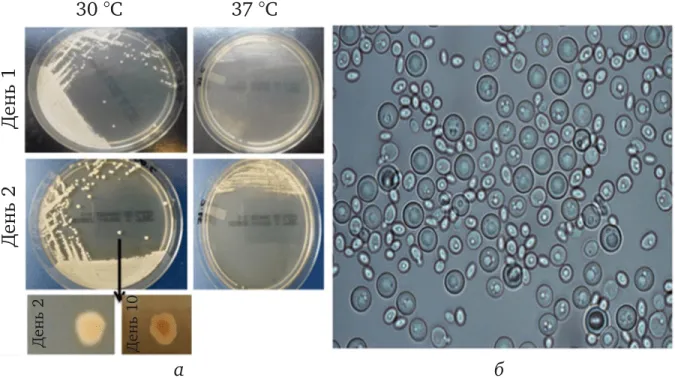
This fungus reproduces by budding and forms cream or whitish colonies on the surface of organic substrates. It possesses high enzymatic activity, allowing it to efficiently degrade carbohydrates found in plant tissues.
The pathogen is ubiquitous in the environment, commonly inhabiting the surfaces of leaves, fruits, and soil. It is an opportunistic fungus that thrives when host plants are stressed or damaged.
A key biological feature of Torulopsis candida is its resilience, allowing it to survive in the form of spores or vegetative cells in plant debris and tree bark cracks during dormant periods.
The fungus is highly adept at colonizing injured plant tissues, utilizing small cracks or insect puncture wounds as entry points to penetrate and destroy the fruit interior.
Conditions for development
Optimal conditions for rapid fungal development include high relative humidity (above 85%) and moderate temperatures, typically ranging from +18 to +25 degrees Celsius.
Outbreaks are most frequently observed during prolonged rainy periods coinciding with the fruit maturation phase, when the fruit skin becomes more susceptible to injury.
Insects such as codling moths or wasps act as primary vectors, transferring fungal cells from infected fruits to healthy ones and creating wounds that facilitate infection.
Calcium deficiency in plants can lead to thinner cell walls, making fruits more vulnerable to the enzymatic invasion of Torulopsis candida.
Improper storage practices, such as high fruit density and poor airflow, create an ideal microclimate for the rapid transmission of the disease between stored units.
Why it matters
The primary economic harm is the massive spoilage of crops during both pre-harvest maturation and post-harvest storage and transportation stages.
Infected fruits are completely unfit for fresh consumption, processing, or long-term storage due to rapid tissue degradation and loss of quality.
Agricultural operations face significant losses as large batches of produce may be rendered unmarketable due to the rapid spread of the yeast infection in containers.
The activity of the fungus often predisposes the fruit to secondary bacterial infections, which accelerate the rotting process and render the entire harvest non-salvageable.
In large-scale fruit storage facilities, a minor infection can quickly escalate into an epidemic, leading to the destruction of significant commercial quantities of produce.
Protection
The foundation of effective management lies in rigorous agricultural practices that reduce canopy humidity and ensure proper air circulation around the plants.
Consistent pest management is essential, as controlling insects that pierce fruit skins significantly reduces the primary entry points for the pathogen.
Sanitation practices, including the regular removal and destruction of mummified or rotten fruits, are crucial to reducing the primary inoculum levels in the orchard.
Post-harvest management involves using advanced cooling systems and controlled atmosphere storage to slow down the metabolic processes that favor yeast growth.
- Optimizing mineral nutrition, particularly calcium supply to strengthen cell walls.
- Regular pruning of the tree canopy to enhance ventilation.
- Rigorous sorting and cleaning of fruits before storage.
- Strict sanitation and disinfection of fruit storage bins and facilities.
Discussion
No discussions yet — be the first.