
Proso millet smut
Tolyposporium penicillariae
Description
Symptoms
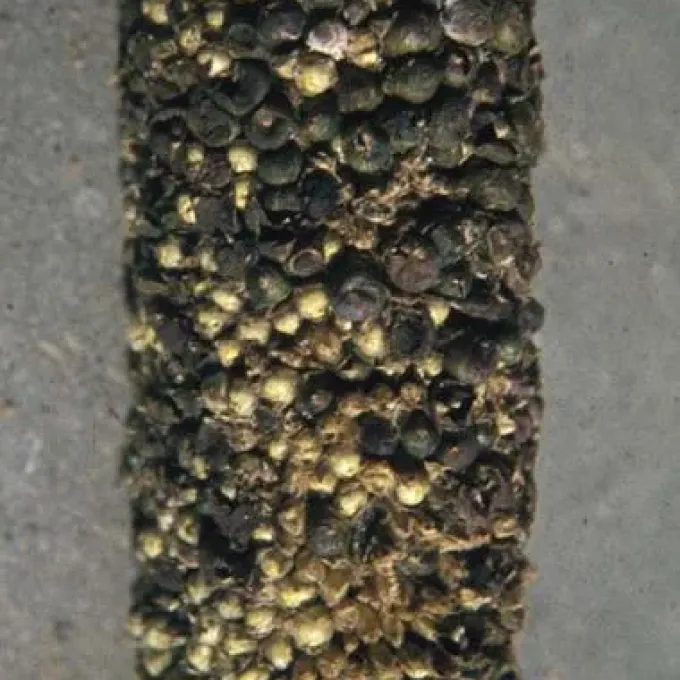
The primary symptom of the infection is the transformation of the flowers in the panicle into smut galls, which replace normal seeds.
Initially, these sori may appear greenish or yellowish, but as the fungus matures, they turn dark brown or black, indicating the production of a large quantity of spores.
If the membrane of these smut galls is broken, a dark, powdery mass of spores is released, which is a hallmark diagnostic feature of the disease.
The infected panicles are often deformed, and the production of healthy grain in these areas is completely inhibited, leading to significant yield reduction.
Symptoms are most visible during the grain-filling stage, making it relatively easy for farmers to identify and monitor the spread of the infection in the field.
Pathogen
The causative agent of this disease is the fungus Tolyposporium penicillariae, which belongs to the basidiomycetes group. This pathogen is highly specific to the reproductive organs of certain millet species.
The life cycle of the fungus begins with the teliospores surviving in the soil or on seeds. Under favorable conditions, these spores germinate and produce basidia with basidiospores.
Infection occurs mainly during the flowering stage when the spores land on the pistil of the host plant. The fungal mycelium penetrates the ovary and begins to develop internally.
As the plant matures, the pathogen replaces the grain tissue with its own spore mass, resulting in the formation of typical smut sori or smut balls.
The biology of Tolyposporium penicillariae is characterized by high adaptability to the host's metabolic processes, allowing it to remain dormant in the soil for several seasons.
Conditions for development
The development of the disease is favored by high humidity and moderate temperatures during the heading and flowering stages of the millet crop.
Frequent rainfall during the pollination period creates the ideal conditions for spore germination and successful infection of the host flowers.
Lack of crop rotation and planting millet repeatedly in the same field leads to an accumulation of inoculum in the topsoil, increasing the disease pressure.
Using untreated or contaminated seed material is a major factor in the spread of the pathogen, especially when sowing in susceptible conditions.
Environmental factors and specific weather patterns during the growing season can heavily influence the severity of the outbreak in a given year.
Why it matters
The main economic damage is caused by the direct loss of grain yield, as the smut sori replace the healthy kernels entirely within the panicle.
Contamination of healthy grain with smut spores during harvesting negatively affects the quality, market value, and safety of the final product.
Infected seeds have reduced germination rates, making them unsuitable for replanting and potentially perpetuating the disease cycle in future crops.
The disease reduces the overall physiological vigor of the plant, which may impact the weight of unaffected grains on the same or neighboring plants.
In severe infestation cases, the total yield loss can be significant, rendering entire fields unproductive and causing major financial losses for growers.
Protection
Strict adherence to crop rotation is the most essential cultural practice. Avoiding millet cultivation on the same land for at least 3-4 years helps reduce spore load.
Seed treatment with effective systemic fungicides prior to planting is the gold standard for preventing primary infection during the seedling stage.
Breeding and utilizing resistant millet varieties provides a long-term, sustainable solution for managing this disease with minimal chemical intervention.
- Deep plowing to incorporate crop residues into the soil.
- Use of certified, disease-free seed stocks.
- Weed management to improve air circulation and reduce micro-humidity.
Integrated pest management strategies combining proper sanitation and agricultural practices are necessary to maintain disease levels below economic thresholds.
Discussion
No discussions yet — be the first.