
Thelephora
Thelephora
Description
Symptoms
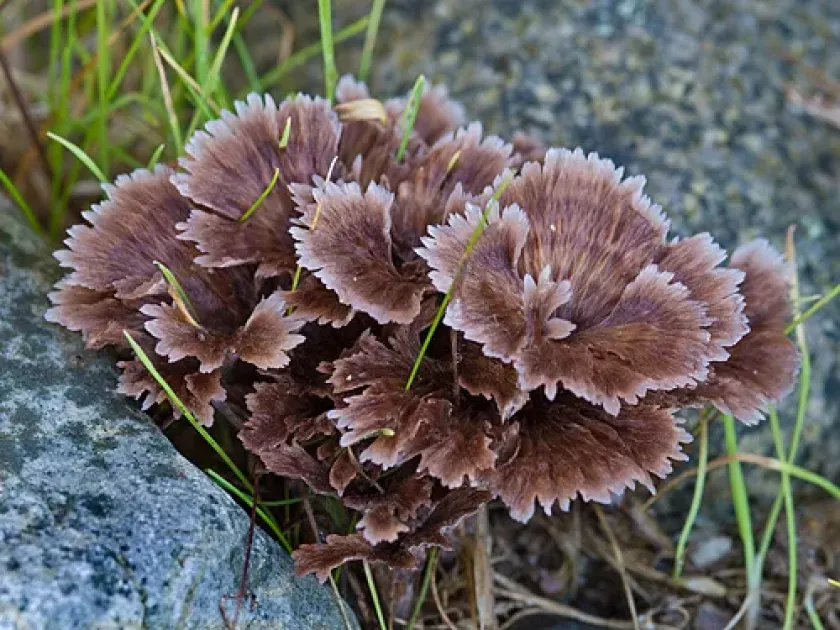
The primary symptom is the presence of leathery, crusty fungal growth that wraps around the base of the plant stem, effectively forming a collar.
Affected seedlings often show signs of decline, including chlorosis (yellowing), wilting, and eventually needle or leaf drop due to the restricted growth and moisture stress caused by the fungal mat.
The fruiting bodies of the fungus may be visible on the soil surface, near the base of the plant, or on mulch material that is in direct contact with the stem.
In severe cases, the fungal colonization can lead to secondary bark damage, making the plant susceptible to opportunistic bacteria and other pathogens.
Stunted growth and a general lack of vigor in young nursery stock are key indicators that the plant is being negatively impacted by this fungal growth.
Pathogen
The disease is caused by fungi of the genus Thelephora, with Thelephora terrestris being the most common species encountered in agricultural and nursery environments.
These fungi belong to the Basidiomycetes class and are primarily saprotrophic, meaning they typically feed on decaying organic matter, but they can exhibit parasitic behavior under specific conditions.
The fungus produces leathery or crust-like fruiting bodies that are often brown or grayish-brown, commonly appearing on the soil surface or around the base of young plant stems.
Reproduction occurs through basidiospores that are easily disseminated by wind and water splash, allowing the fungus to colonize new areas rapidly.
While not a traditional vascular pathogen, the fungus acts as an opportunistic invader, thriving where moisture levels are high and organic debris is abundant.
Conditions for development
High moisture levels are the most critical factor for the development of Thelephora. Prolonged rainfall, frequent overhead irrigation, or waterlogged soil create the perfect environment.
The fungus is highly prevalent in nursery settings where organic mulch, such as wood chips or pine bark, is piled deep against the stems of the plants.
Lack of proper aeration in dense plant populations prevents the foliage and soil surface from drying, which encourages the fungus to spread and mature.
The optimal temperature range for the growth of this fungus is typically between 15°C and 25°C, coinciding with the peak growing season for most nursery crops.
Acidic soil conditions, often found in containerized nursery environments, can also provide a favorable substrate for the colonization and development of the fungal mycelium.
Why it matters
The primary economic impact is the mortality of young seedlings in nurseries, which can lead to significant financial losses if not managed promptly.
The fungus smothers the base of the plant, interfering with gas exchange and water uptake, which compromises the overall health of the specimen.
Ornamental value is significantly reduced, rendering the plants unsaleable due to the presence of visible fungal mats and associated plant decline.
The spread of spores within greenhouses or outdoor nursery beds can lead to rapid contamination, requiring intensive sanitation efforts to bring the outbreak under control.
Additional costs include the labor-intensive removal of contaminated mulch, the application of chemical control agents, and the potential replacement of lost inventory.
Protection
The most effective strategy is proper cultural management, specifically ensuring that mulch is never applied directly against the stem or crown of the plant.
Improving nursery site drainage and reducing the frequency of overhead irrigation can help maintain drier conditions at the soil surface.
If an infestation is detected, it is recommended to remove the affected mulch layer and apply appropriate fungicides if the plants are of high value or if the infestation is widespread.
Space out plants properly to promote air circulation, which prevents the build-up of the humidity required for the fungus to fruit and spread.
- Monitor for early signs of mycelial growth during moist seasons.
- Maintain proper plant spacing for better airflow.
- Ensure that potting mixes are well-draining to prevent moisture accumulation.
Discussion
No discussions yet — be the first.