
Thelebolus stercoreus
Thelebolus stercoreus
Description
Symptoms
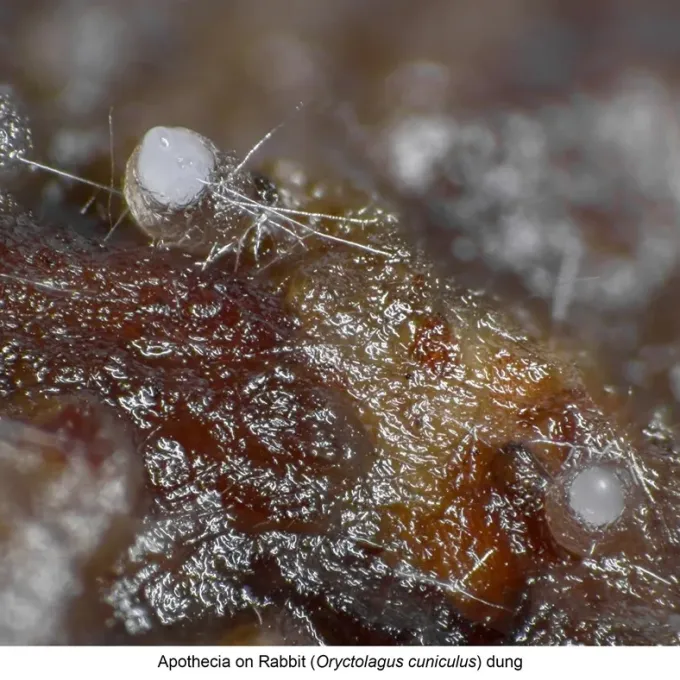
The most distinctive signs are the appearance of small, circular, yellowish to orange-brown dots on the surface of the growing medium, which are the apothecia of the fungus.
Often, the surface of the soil will show a white or greyish cottony mycelial mat. This mat can become denser over time, often binding soil particles together and creating a crusted surface layer.
Young seedlings grown in affected soil may appear stunted or show signs of chlorosis. This occurs as the fungus competes for nutrients and alters the physical structure of the root zone.
In high humidity, the substrate may develop a slimy texture and an earthy or fermented odor due to the intense decomposition processes occurring in the soil.
The signs are frequently localized around the base of the stems, as this area provides the stable humidity required for the fruiting bodies to emerge and mature.
Pathogen
The causal agent is the fungus Thelebolus stercoreus, which is classified as an ascomycete. Naturally, this fungus is coprophilous, meaning it typically grows on herbivore dung, which explains its biological niche.
In agricultural settings, this fungus is commonly introduced through contaminated growing media or insufficiently treated composted manure. It thrives in substrates rich in decomposing organic matter.
The life cycle includes the production of small, often yellowish or orange fruiting bodies known as apothecia. These structures allow the fungus to persist in the environment for extended periods.
The spores of the fungus are highly resilient and easily disseminated by airflow, water splashes during irrigation, and via contaminated greenhouse equipment or workers' tools.
While not a primary pathogen of healthy plants, its presence is a clear indicator of suboptimal hygienic conditions or poor-quality substrate in greenhouse environments.
Conditions for development
The primary driver for development is high moisture content in the growing medium combined with high ambient humidity in the greenhouse, often exceeding 75–80%.
The use of inadequately sterilized manure or organic-rich compost is the most frequent cause of contamination. If the substrate has not been properly processed, the fungus will rapidly colonize it.
Poor aeration of the substrate, caused by excessive packing of the soil or insufficient drainage, creates the oxygen-poor conditions that Thelebolus stercoreus prefers.
Overcrowding of seedlings reduces airflow around the plant base, preventing evaporation and maintaining a microclimate that is ideal for the rapid growth of the fungus.
Inadequate light levels during the seedling stage can also contribute to the persistence of high surface moisture, further facilitating the growth of the fungal mycelium.
Why it matters
The main harm caused by this fungus is the competitive depletion of essential nutrients, particularly nitrogen, which is diverted from the plant to support the fungal colony.
Root zone health is compromised as the dense mycelium inhibits proper aeration. This leads to impaired root respiration and subsequent reduction in water and nutrient uptake by the plant.
The presence of the fungus significantly lowers the quality of the nursery output. Seedlings may be discarded due to the presence of mold, leading to economic losses for the grower.
Furthermore, the fungus can create an environment that invites secondary bacterial or fungal pathogens. The weakened plant tissues become more vulnerable to more aggressive disease agents.
In severe cases, the chemical changes induced by the fungus in the root zone can prove toxic to sensitive seedlings, leading to reduced germination rates or early plant mortality.
Protection
Thermal sterilization of the growing medium is the most effective preventative measure. Steam treatment or high-temperature drying destroys both the fungal spores and mycelium.
Implement a strict irrigation management plan to prevent waterlogging. Allowing the top layer of the substrate to dry between waterings is essential to discourage fungal growth.
Improve greenhouse ventilation and air circulation. Moving air significantly reduces the humidity on the soil surface, which is crucial for preventing the development of apothecia.
The use of biological control agents, such as beneficial fungi in the Trichoderma genus, can effectively colonize the soil and outcompete Thelebolus stercoreus.
- Use high-quality, commercially produced, sterile peat substrates.
- Perform regular surface scratching (tilling) to improve oxygen flow in the top layer.
- Ensure adequate spacing between seedling trays to enhance ventilation.
- Strictly sanitize all greenhouse tools and containers before every cycle.
Discussion
No discussions yet — be the first.