
Thelebolus
Thelebolus
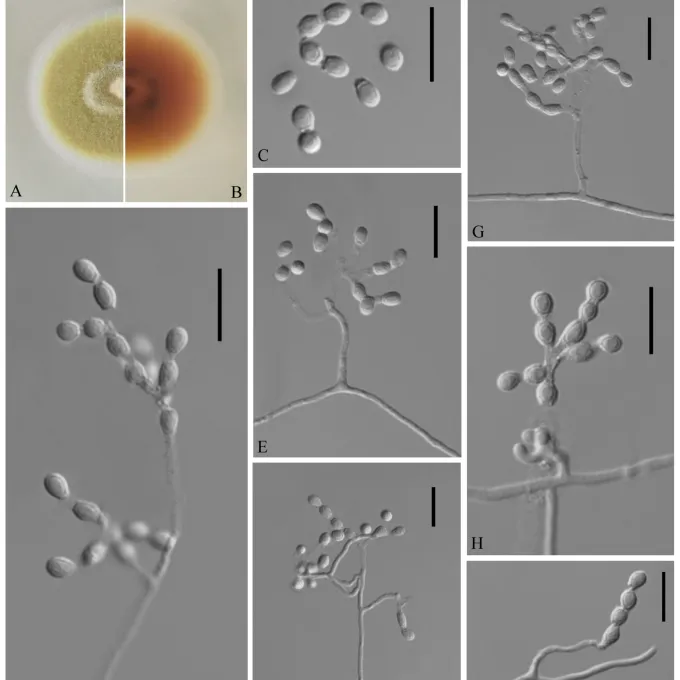
Description
Symptoms
Early symptoms include the appearance of small, dark, pinpoint lesions on leaves or stems, marking the development of the fungus's fruiting bodies.
Affected plant parts may show chlorosis (yellowing) followed by tissue necrosis, as the fungus disrupts the plant's physiological transport mechanisms.
In high humidity, a fine, grayish mycelial mat may develop on the plant surface, often becoming denser as the infection progresses further.
Severe infestations lead to stunted plant growth, root decay, and reduced vigor, often resulting in premature senescence of the entire plant.
Diagnosing Thelebolus is complex because symptoms can mimic other localized fungal infections, necessitating laboratory analysis for confirmation.
Pathogen
The genus Thelebolus belongs to the ascomycete fungi within the order Thelebolales, commonly found in soils, decaying organic matter, and dung.
While often acting as a saprotroph, Thelebolus can occasionally infect stressed or weakened plant tissues, behaving as an opportunistic pathogen.
The fungus produces microscopic fruiting bodies, typically apothecia, which serve as the reproductive structures releasing spores into the environment.
Its mycelium is highly resilient, allowing the pathogen to persist in harsh environmental conditions for extended periods until a host becomes available.
Scientific studies highlight the genetic diversity of these fungi, which aids in their survival and adaptation to various agricultural substrates.
Conditions for development
High humidity and moisture levels are the primary drivers for the development and spread of Thelebolus spores within a crop canopy.
Poor ventilation in dense plantings creates a stagnant microclimate that encourages fungal germination and colonization of susceptible tissues.
Accumulated plant debris provides a rich food source for the fungus, allowing it to multiply before attacking healthy, growing plant structures.
Moderate temperatures ranging from 15°C to 22°C are generally optimal for the active mycelial growth and sporulation of this specific pathogen.
Injuries caused by pests, mechanical damage, or harsh weather serve as entry points for the fungus, significantly increasing the infection rate.
Why it matters
The primary impact of Thelebolus infection is the reduction of photosynthesis, which leads to decreased plant biomass and significant yield loss.
The fungus produces enzymes that break down plant cell walls, causing structural damage and making the plant susceptible to secondary pathogens.
Early-season infections can devastate seedling stands, forcing growers to replant and incurring substantial economic costs to the farming operation.
Fruit and crop quality is compromised by surface lesions, rendering produce unsuitable for long-term storage or high-value market standards.
Persistent soil contamination can degrade the overall microbial balance, potentially reducing soil fertility and long-term crop productivity.
Protection
Sanitation practices, such as removing and destroying crop residues, are crucial to reducing the fungal inoculum load in the field for future seasons.
Systemic fungicides, when applied during the early stages of disease progression, are effective at inhibiting further mycelial spread on crops.
Implementing a proper crop rotation strategy helps break the infection cycle by removing the preferred host substrate from the site annually.
Optimizing plant density and improving air circulation through pruning or spacing can effectively lower humidity around the base of the plants.
Regular monitoring and the use of certified, clean seed are essential strategies for preventing the introduction and spread of Thelebolus.
Discussion
No discussions yet — be the first.