
Thelebolaceae
Thelebolaceae
Description
Pathogen
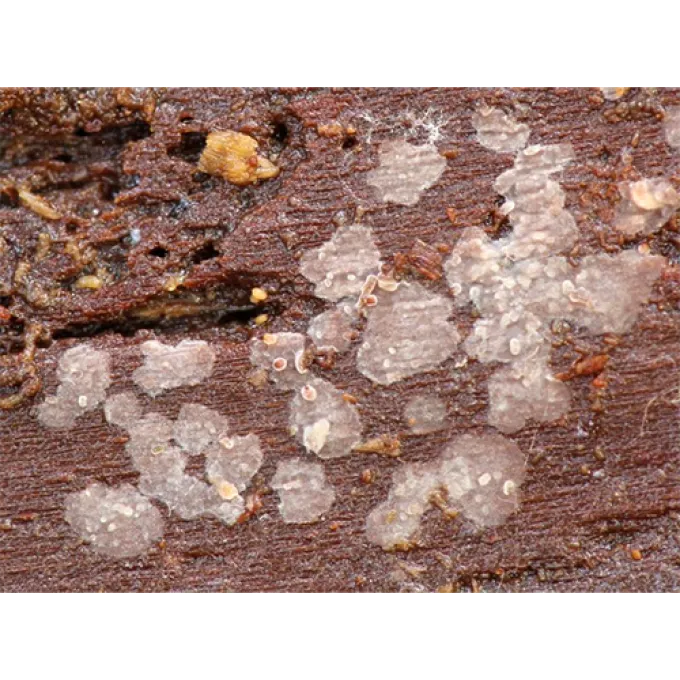
The family Thelebolaceae consists of small, cup-shaped fungi belonging to the order Helotiales. While many species are saprotrophs living on organic matter, they act as significant pests in commercial mushroom farming by competing with cultivated mycelium.
The pathogen produces microscopic apothecia, which are the sexual fruiting bodies of the fungus. These structures release vast quantities of spores into the environment, facilitating rapid colonization of available substrates.
In agriculture, these fungi are identified as substrate molds. They do not typically infect vascular plants but thrive in the nutrient-rich environments prepared for mushroom production, effectively stealing resources from the desired crop.
The mycelium of Thelebolaceae grows rapidly, often outcompeting slower-growing mushroom mycelia. Their ability to colonize decaying organic material makes them difficult to eliminate once they are established in a production facility.
Biologically, these fungi are characterized by high reproductive efficiency. Their spores are highly resistant to adverse environmental conditions, allowing them to persist in dormant states until favorable humidity and temperature levels return.
Conditions for development
The primary factor triggering a Thelebolaceae outbreak is inadequate substrate pasteurization. If the composting process fails to reach the required temperatures, the substrate remains susceptible to colonization by these opportunistic competitors.
Excessive humidity in growing rooms provides the necessary environment for the fungus to transition from dormant spores to active mycelial growth. High moisture levels combined with poor aeration are the most common precursors to an outbreak.
Poor sanitation within the facility significantly contributes to the spread of the disease. Spores can easily be transferred through contaminated clothing, tools, or ventilation systems that lack proper filtration.
The pH balance of the substrate plays a critical role. A shift towards more acidic levels often creates a competitive advantage for Thelebolaceae species, which may struggle in more alkaline environments.
Insufficient ventilation leads to the accumulation of metabolic heat and moisture, creating a micro-environment on the surface of the growing blocks that is ideal for the maturation of the fungus's fruiting bodies.
Why it matters
The most immediate harm caused by these fungi is the significant reduction in yield. By occupying the space and nutrients within the substrate, they prevent the cultivated mushrooms from developing properly.
The metabolic activity of these molds can produce chemical compounds that inhibit the growth of the primary crop mycelium. This leads to the eventual collapse of the mushroom bed and the total loss of productivity.
Economic losses are substantial, involving both the costs of wasted raw materials and the labor-intensive requirement to dispose of contaminated substrate safely and sanitize the facility thoroughly.
Quality reduction is another major issue. The appearance of mold spores and fruiting bodies on the final product significantly diminishes its market value and makes it unfit for human consumption.
The potential for systemic contamination is high. Once an outbreak begins, the sheer volume of airborne spores ensures that the infection can spread to other parts of the facility, causing widespread production failures.
Protection
The most effective strategy is the rigorous implementation of thermal pasteurization protocols. Ensuring that the substrate is thoroughly treated at the correct temperature for the required duration is essential to eliminate all fungal spores.
Maintaining a strict hygiene protocol is vital. This includes disinfecting all equipment, floors, and surfaces using approved fungicides and cleaners to break the cycle of infection between crop rotations.
Environmental control is the second line of defense. Proper ventilation and humidity management ensure that the growing room remains unsuitable for the opportunistic growth of competitive molds like Thelebolaceae.
Using high-quality, certified spawn is crucial. Vigorous, healthy mycelium is much more effective at colonizing the substrate quickly, leaving little room for competitors to establish themselves.
- Effective air filtration systems;
- Regular monitoring of substrate health;
- Proper disposal of contaminated materials;
- Staff training on biosecurity measures.
Discussion
No discussions yet — be the first.