
Thecaphora saponariae
Thecaphora saponariae
Description
Symptoms
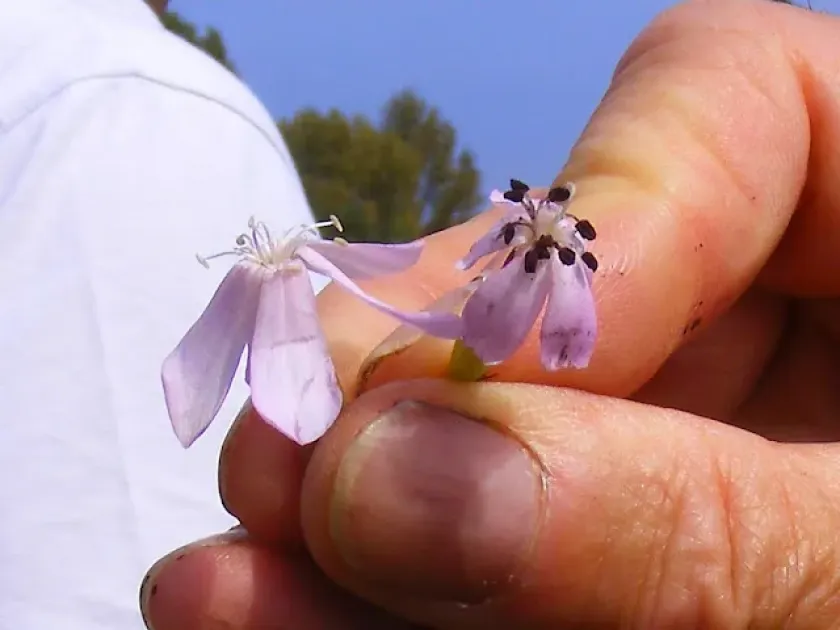
The primary symptom of infection is the severe deformation of the flowers. Upon opening, the flower appears to be filled with a dusty, dark brown or black mass of spores instead of normal seeds and fruit tissues.
Visually, affected plants may exhibit stunted growth or distorted flower buds that fail to open correctly. The petals might appear pale or sickly, reflecting the systemic stress the plant experiences as the fungus consumes its reproductive tissues.
Because the disease specifically targets the reproductive organs, it is often difficult to detect until the plant reaches the flowering stage. During mass blooming, infected plants stand out due to their darkened, powdery flower centers.
At a closer inspection, the ovaries of the infected flowers are found to be completely replaced by the fungal spore clusters. Any attempt to touch these flowers results in the release of clouds of dark spores, which facilitates further spread of the pathogen.
If not managed, the disease can affect a large percentage of the population in a field, leading to a total loss of seed viability and a significant decrease in the aesthetic appeal of ornamental plantings.
Pathogen
The causal agent of this disease is the fungus Thecaphora saponariae, a member of the smut fungi order (Ustilaginales). It is a highly specialized pathogen that primarily targets plants within the Caryophyllaceae family, specifically those in the genus Saponaria.
The biology of the fungus involves the production of teliospores within the internal tissues of the host flower. These spores are typically organized into dense, spherical clusters known as spore balls, which are encased in a protective membrane that ensures their survival in the environment.
The life cycle of the pathogen is strictly synchronized with the development of the host plant. The infection is systemic; the fungal mycelium colonizes the plant tissues and eventually concentrates in the ovaries, effectively replacing healthy seeds with a mass of fungal spores.
Due to the formation of hardy spores, the pathogen is capable of surviving in the soil for several years. This persistence makes it a long-term threat to agricultural fields and garden beds where susceptible hosts are repeatedly planted.
Dissemination of the pathogen occurs primarily through wind-blown spores. Additionally, the fungus can be spread via contaminated seeds, where spores adhere to the seed coat, or through the movement of soil by machinery and agricultural tools.
Conditions for development
The development of Thecaphora saponariae is favored by cool and moist environmental conditions. High humidity during the bud formation phase is critical for the germination of spores and the subsequent infection of the plant tissues.
The optimal temperature range for the pathogen's growth is between 15°C and 20°C. In these conditions, the fungal mycelium colonizes the flower's ovary rapidly, ensuring the production of a new generation of spores within a single growing season.
Monoculture practices significantly increase the risk of disease buildup in the soil. Without appropriate crop rotation, the concentration of spores in the soil increases annually, leading to higher infection rates in subsequent seasons.
Poor ventilation within dense plantings creates a humid microclimate that is ideal for the pathogen. Increased plant density can therefore exacerbate the severity of the outbreak by preventing the foliage from drying out quickly after rain or dew.
While systemic infection is common, the presence of mechanical wounds caused by pests or maintenance work can potentially serve as additional entry points, although the fungus is naturally adept at invading the plant's internal systems.
Why it matters
The main economic harm caused by Thecaphora saponariae is the complete sterility of infected flowers. For seed production businesses, this translates to a 100% loss of yield in infected zones.
The disease severely impacts the ornamental quality of plants. In parks and gardens, affected plants must be removed and discarded, as their appearance—marred by dark, smutty flowers—is considered highly unattractive.
The accumulation of the pathogen in the soil creates a long-lasting biological hazard. The persistent nature of the spores requires strict quarantine measures and deep soil treatment to eradicate the infection from the site before replanting.
Loss of reproductive capacity leads to the decline of native plant populations in the wild. If the fungus spreads unchecked, it can lead to the local extinction of the host species within the affected area, disrupting the local ecosystem.
Management costs are another significant factor. The need for manual inspection, plant removal, incineration of debris, and potential soil treatment increases the cost of cultivation significantly, reducing overall profit margins.
Protection
Effective crop rotation is the most reliable strategy to prevent the buildup of Thecaphora saponariae. It is recommended to avoid planting Caryophyllaceae on the same plot for at least 4 to 5 years.
Regular field inspections during the early flowering stages are crucial. Any plants showing symptoms must be carefully removed—including the entire root system—and burned or disposed of far from the growing area to prevent spore release.
Seed treatment with systemic fungicides is a mandatory preventive measure. This protects seedlings from early-stage infections and helps ensure that the planting material is free of fungal spores.
Post-harvest sanitation is essential for site management. All plant residues must be cleared and destroyed. Deep plowing can also help incorporate organic matter into the deeper soil layers, promoting the breakdown of spores.
In cases of high disease pressure, targeted spraying with systemic fungicides during the pre-flowering phase can suppress the fungus. These measures should be combined with good horticultural practices to ensure vigorous plant growth and disease resistance.
Discussion
No discussions yet — be the first.