
Thalassiosiraceae
Thalassiosiraceae
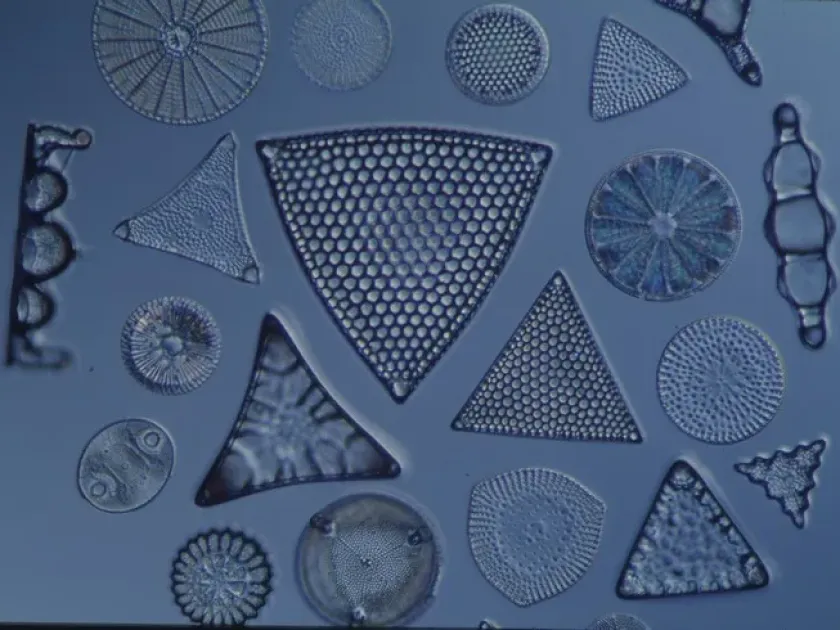
Description
Symptoms
The most noticeable symptom is the visible turbidity or brownish discoloration of the nutrient solution. Over time, the solution may become murky, and the growth of algae becomes apparent to the naked eye.
A slimy, slippery film develops on the surfaces of nutrient tanks, reservoirs, and delivery lines. This film is a combination of algae cells and organic debris, which significantly alters the flow dynamics of the system.
Plants affected by the presence of Thalassiosiraceae often show signs of nutrient deficiency, specifically chlorosis in the lower leaves. The algae compete for essential minerals, causing a drop in growth rates.
Root systems may appear discolored, often covered in a brownish, slimy substance. This layer physically blocks oxygen absorption, leading to localized root rot and a decline in overall plant vitality.
A foul, swamp-like odor emanating from the nutrient reservoir is a critical sign of heavy algal infestation. This indicates that the algae are dying and decomposing, which can lead to rapid fluctuations in the solution's pH and oxygen levels.
Pathogen
Thalassiosiraceae is a family of centric diatoms, which are microscopic algae characterized by their unique silicified cell walls known as frustules. While primarily aquatic, these organisms frequently become problematic in hydroponic systems, vertical farms, and aquaculture setups.
These organisms are not traditional parasites, but they act as significant biological competitors. Their ability to reproduce rapidly under artificial light and in nutrient-rich solutions allows them to colonize entire irrigation systems within days.
The introduction of Thalassiosiraceae into a controlled environment usually occurs through contaminated water supplies, non-sterilized growing media, or through airborne spores. Once established, they can persist even after partial cleaning of the system.
Biologically, these algae are highly efficient at nutrient uptake. They thrive in the exact conditions that are ideal for plant cultivation, making them difficult to eradicate without impacting the health of the host crops.
They contribute to the formation of biofilm layers on the inner walls of pipes, pumps, and sensors. This biological mass creates a habitat for other, more aggressive pathogens that can harm the plant root systems.
Conditions for development
Exposure to light is the primary driver of Thalassiosiraceae growth. Reservoirs and pipes that are not opaque provide the perfect environment for these photosynthetic organisms to thrive.
Nutrient solutions high in phosphorus and nitrogen provide the essential building blocks for algal expansion. Stable temperatures within the 20–25°C range facilitate a rapid life cycle for the diatoms.
Poor water circulation and the presence of stagnant zones in the irrigation system allow algae to settle and form dense colonies. Even short periods of water stasis can lead to significant biofilm development.
Using raw water sources without adequate filtration (such as reverse osmosis or fine membrane filtration) acts as a continuous source of re-infestation for the hydroponic system.
The accumulation of dead organic matter, such as root debris or fallen leaves, provides an additional carbon source that supports the diatoms beyond simple photosynthesis, further accelerating their bloom.
Why it matters
The primary harm is the severe competition for nutrients. Thalassiosiraceae absorb large amounts of elements intended for the crops, leading to stunted development and reduced yields.
The biofilm they produce clogs emitters, drippers, and small-bore pipes. This disrupts uniform water distribution and places excessive strain on pump motors, leading to premature mechanical failure.
By coating the roots, the algae interfere with gas exchange and nutrient absorption. This physical barrier results in weakened root hair structure, making plants more susceptible to environmental stress and secondary infections.
Fluctuations in the solution chemistry caused by algal metabolic activity force constant adjustments to pH and EC. This increases the labor requirement for the grower and risks nutrient imbalances.
A heavy algal infestation diminishes the overall quality of the end product. Fruits may become smaller, less flavorful, and more prone to post-harvest issues due to the nutrient deficits experienced during growth.
Protection
The most effective strategy is total light exclusion. By using opaque tanks and covering all exposed piping with light-shielding materials, you remove the primary energy source for the algae.
Installation of high-quality Ultraviolet (UV) sterilizers in the recirculation loop is recommended. UV radiation effectively kills algal cells and spores as they pass through the sterilization chamber.
Periodic maintenance should include flushing the entire irrigation system with approved sanitizing agents like food-grade hydrogen peroxide. This removes existing biofilms and resets the system's microbial environment.
Maintaining high levels of dissolved oxygen in the nutrient solution helps plants outcompete algae. Strong aeration of the reservoir is a vital practice for both root health and suppression of unwanted organisms.
- Use only high-purity fertilizers.
- Install fine-mesh pre-filters to catch suspended solids.
- Regularly check and seal all light leaks in the system.
- Monitor nutrient solution parameters daily to identify early changes.
Discussion
No discussions yet — be the first.