
Tetrahymena thermophila
Tetrahymena thermophila
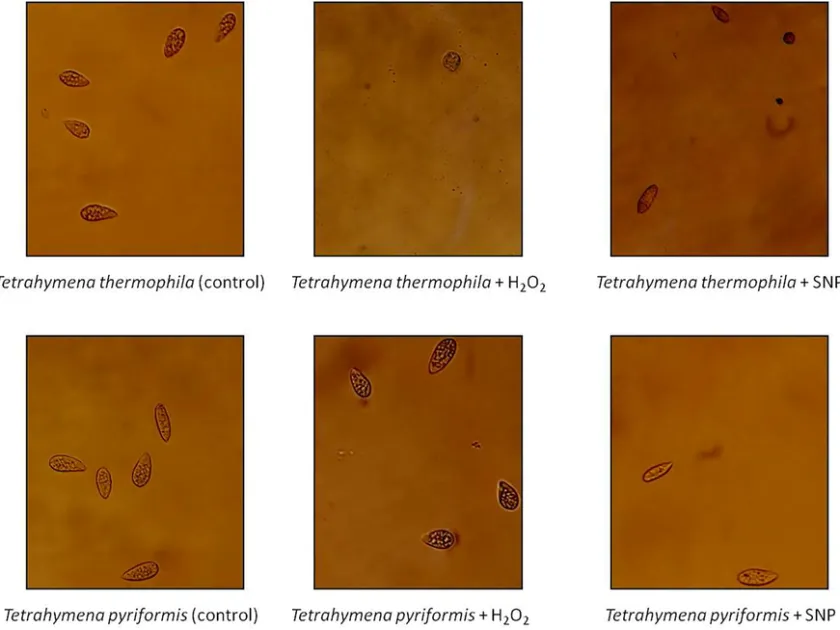
Description
Pathogen
Tetrahymena thermophila is a single-celled eukaryotic organism belonging to the phylum Ciliophora.
It is crucial to clarify that this organism is **not a plant disease** or a pathogen of agricultural crops. It is a free-living ciliate found in freshwater and moist soil environments.
Unlike true phytopathogens, Tetrahymena thermophila feeds on bacteria and decaying organic matter, functioning as a scavenger rather than a plant parasite.
The scientific community extensively uses this ciliate as a model organism in genetics, cell biology, and developmental research due to its rapid reproduction cycles.
Because it lacks the biological mechanisms to infect plant tissues, it does not pose any threat to plants or agricultural productivity.
Conditions for development
The proliferation of this protozoan is primarily dictated by high moisture levels and a sufficient supply of bacterial food sources in the surrounding environment.
The optimal temperature range for its active metabolism is between 25 and 35 degrees Celsius, reflecting its status as a thermophilic organism.
In soil, the presence of Tetrahymena thermophila is often a positive bio-indicator of high organic content and good soil structure.
Under stressful environmental conditions, the organism can undergo encystment, allowing it to survive for extended periods until favorable conditions return.
It thrives in environments that are biologically active, making it a common component of healthy, nutrient-rich soil ecosystems.
Why it matters
As a non-parasitic species, Tetrahymena thermophila does not cause any harmful effects, symptoms, or diseases in cultivated plants.
Its role in the soil ecosystem involves nutrient cycling through the breakdown of organic material, which can indirectly benefit plant growth.
There are no reports of lesions, wilting, or tissue necrosis associated with this organism, distinguishing it from harmful pathogens.
Furthermore, these ciliates may help manage soil bacterial populations, potentially suppressing certain opportunistic bacteria in the rhizosphere.
The overall impact on agriculture is neutral to positive, as the organism is entirely unrelated to plant disease development.
Protection
No protective measures, fungicides, or control protocols are required for Tetrahymena thermophila, as it is not a threat to plant health.
Standard agronomic practices, such as maintaining proper irrigation and balanced soil fertility, are sufficient to support a healthy microbial soil community.
Crop rotation and organic soil management strategies continue to be the best approach for long-term soil vitality without targeting beneficial protozoa.
No quarantine restrictions exist for this organism, as it is a natural and harmless inhabitant of many soil and water habitats.
Growers should focus on identifying genuine fungal, bacterial, or viral threats while regarding ciliate populations as part of the natural soil biota.
Discussion
No discussions yet — be the first.