
Eucalyptus leaf blotch
Teratosphaeria nubilosa
Description
Symptoms
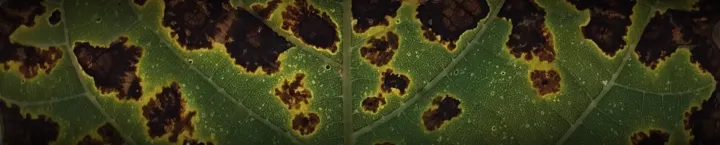
The primary symptoms of the disease include the development of numerous spots on the leaf surface, which start as small chlorotic areas.
As the infection progresses, these spots expand and turn dark brown or black, often causing the surrounding leaf tissue to wither and die.
Tiny black fruiting bodies appear on the underside of infected leaves, which are reliable indicators of active sporulation and disease progression.
Severe infection leads to widespread defoliation, where the tree loses its leaves prematurely, leaving the branches bare and stunted.
Young shoots and stems may also show signs of distortion, which can lead to permanent structural defects in the growing tree.
Pathogen
The causative agent of this disease is the ascomycete fungus Teratosphaeria nubilosa, which is a major pathogen of young eucalyptus foliage worldwide.
This fungus completes its life cycle by producing both sexual and asexual reproductive structures, allowing it to adapt to various environmental conditions.
It is specifically adapted to infect the juvenile leaves of eucalyptus, making it particularly damaging to young plantations and forest nurseries.
The spores of the pathogen are primarily dispersed by wind and rain splash, facilitating rapid spread within and between eucalyptus stands.
Scientific studies confirm that the genetic diversity of the fungus allows it to overcome some resistance mechanisms in eucalyptus species.
Conditions for development
Favorable conditions for the development of Eucalyptus leaf blotch are characterized by high humidity levels and frequent rainfall.
The fungus thrives in cool to moderate temperature ranges, typically between 15°C and 22°C, which occur during the active growth season.
Poor air circulation within dense plantations prevents the foliage from drying out, creating a continuous film of moisture that promotes infection.
Prolonged foggy conditions are particularly dangerous as they maintain high leaf wetness duration, allowing spores to germinate and penetrate the cuticle.
Geographic areas with high annual rainfall are considered high-risk zones for the establishment and persistence of the disease.
Why it matters
The disease significantly harms eucalyptus plantations by causing major reduction in the photosynthetic capacity of the trees due to leaf loss.
Chronic infections lead to stunted growth and reduced wood volume, which directly affects the economic viability of timber production.
Stressed trees are far more susceptible to secondary pathogens and pests, which can further compound the damage in already weakened stands.
In nursery settings, the pathogen can cause complete crop failure if not managed correctly, resulting in substantial financial losses.
Large-scale mortality or severe thinning of canopy can lead to ecological instability in managed forest areas.
Protection
The most sustainable method of control is the selection and breeding of eucalyptus genotypes that show inherent resistance to Teratosphaeria species.
Site selection is crucial: avoiding areas prone to excessive mist, fog, or poor air drainage can significantly reduce the incidence of the disease.
In nursery management, ensuring adequate spacing between seedlings and utilizing drip irrigation instead of overhead systems helps maintain dry foliage.
Strategic application of systemic fungicides can be effective for high-value stands, provided that applications are timed with the peak infection periods.
Integrated pest management (IPM) practices, including the removal of infected debris and regular monitoring, are essential for effective long-term disease mitigation.
Discussion
No discussions yet — be the first.