
Teratosperma oligocladum
Teratosperma oligocladum
Description
Symptoms
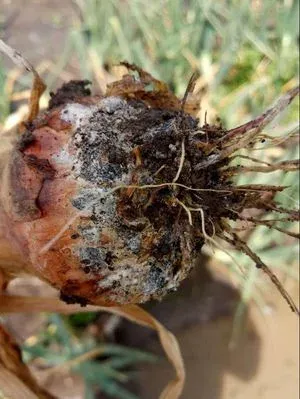
The main external manifestation of the fungus is the presence of specific pustules or coatings on the affected plant parts. These usually have a dark, almost black or brownish color, which is due to the pigmentation characteristics of the conidia.
The infection often appears on leaf blades in the form of localized spots of various shapes. Over time, the area of infection can expand, covering significant portions of the vegetative mass, which leads to premature wilting.
Microscopic analysis reveals characteristic conidiophores that form turf-like structures on the surface of the host plant. Visually, this appears as a velvety coating that adheres tightly to the plant tissues.
As the pathogen develops, the plant tissues at the infection sites lose turgor and undergo necrotic changes. This significantly reduces the overall aesthetic value and productivity of agricultural crops.
In the late stages, massive shedding of spores is observed, which are carried by the wind or raindrops. This leads to the rapid spread of the fungus to neighboring healthy plants within the same area.
Pathogen
The causative agent of the disease is a microscopic imperfect fungus Teratosperma oligocladum, belonging to the group of hyphomycetes. It is a typical representative of pathogenic mycobiota specialized in certain host species.
The fungus is characterized by the presence of multicellular conidia with a distinct morphology. The structure of the sporulation allows for reliable identification of this species during laboratory microscopic examination.
The life cycle of Teratosperma oligocladum is dominated by asexual reproduction via conidia. This allows the fungus to rapidly increase its biomass when favorable weather conditions occur.
The pathogen is capable of surviving in the soil or on plant debris, maintaining its virulence for a long period. This biological feature complicates the complete elimination of the fungus from the field.
The biology of the pathogen is closely tied to weakened host tissues, although it can also exhibit primary pathogenicity. It actively uses enzymatic systems to break down plant cell walls.
Conditions for development
Fungal development is most intense under conditions of high humidity and moderate temperatures. The optimal temperature range for spore germination varies from +18 to +24 degrees Celsius.
The presence of liquid moisture on the leaf surface is a critical factor for the infection process to begin. Dew or prolonged precipitation significantly accelerates conidia germination and the penetration of mycelium into tissues.
Poor aeration in plantings contributes to moisture accumulation, creating an ideal microclimate for Teratosperma oligocladum reproduction. Dense crops always suffer more from the infection than sparse ones.
The absence of crop rotation and the accumulation of plant debris on the soil surface serve as the main source of primary infection. Fungal spores can overwinter in crop residues, waiting for favorable conditions in the spring.
An imbalance of nutrients, especially an excess of nitrogen fertilizers, reduces the plant's natural immunity. This facilitates the penetration of fungal hyphae through stomata or microscopic cuticle damage.
Why it matters
The main harm consists of the inhibition of photosynthesis processes due to the destruction of chlorophyll-bearing tissues. This leads to a sharp decrease in vegetative mass accumulation and deterioration of crop quality.
When attacking cultivated plants, the fungus provokes a general physiological weakening of the organism. Plants become more susceptible to secondary infections and pests, which complicates protection efforts.
On ornamental crops, Teratosperma oligocladum causes a loss of marketability due to extensive necrotic spots. This results in direct economic losses for nurseries and greenhouse businesses.
In cases of massive infestation, a significant yield reduction is possible, potentially leading to the death of individual plants. The systematic impact of the pathogen depletes the plant's resources, shortening its active growth period.
Damaged tissues become entry points for other pathogenic microorganisms, which triggers the process of rotting and the destruction of the plant's entire structure.
Protection
The primary control method is strict adherence to agronomic practices, including deep burial of plant residues. Eliminating sources of primary infection allows risks to be minimized.
An important technique is ensuring good ventilation of plantings through timely thinning and plant management. This prevents moisture stagnation and reduces the likelihood of fungal spore development.
The use of broad-spectrum fungicides is effective in the early stages of disease manifestation. Copper-based preparations or modern systemic compounds allow for stopping the active spread of the infection.
Using pathogen-resistant varieties and hybrids is the most reliable method for long-term protection. Breeding programs significantly reduce dependence on chemical control methods.
- Regular inspection of plants for the first symptoms
- Removal and burning of heavily affected parts or specimens
- Following a sound crop rotation plan based on phytosanitary conditions
- Control of humidity levels in greenhouses and cold frames
Discussion
No discussions yet — be the first.