
Tephrocybe misera
Tephrocybe misera
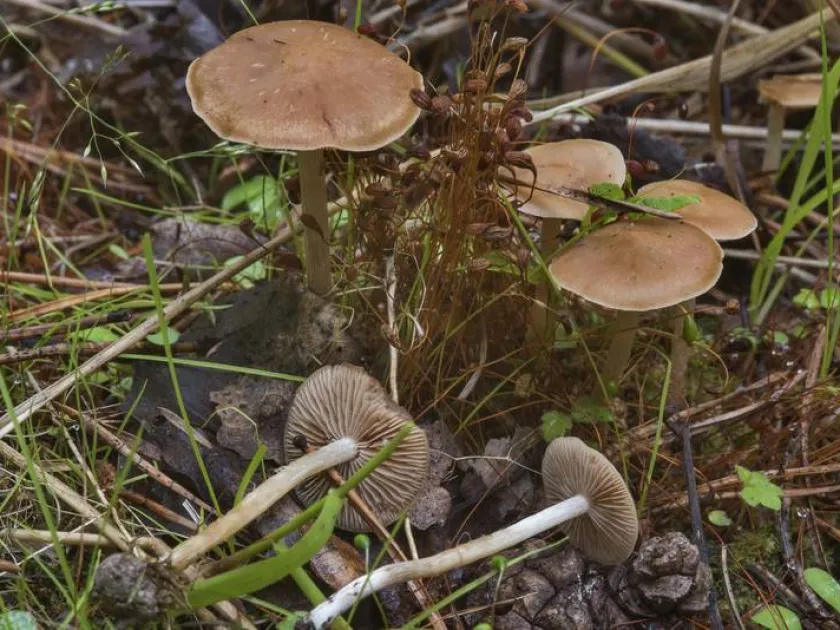
Description
Pathogen
Tephrocybe misera is a species of gilled mushroom in the Tricholomataceae family. In agronomic terms, it is recognized as a soil-inhabiting saprotroph that thrives in areas rich in decaying plant material.
Unlike obligate plant parasites, this fungus primarily feeds on organic matter. However, its presence in the rhizosphere can impact plant health by altering the immediate soil environment and nutrient cycling.
The fungus produces small, grey-to-brown fruit bodies that emerge from a dense network of mycelium residing in the topsoil. It is most visible during the active growth phases in the presence of crop residues.
Dissemination occurs via basidiospores, which are easily carried by wind and water across agricultural landscapes, allowing the fungus to colonize new areas with sufficient moisture.
The biological significance of this species lies in its role as a decomposer, which, under specific circumstances, can become problematic when it outcompetes beneficial microorganisms in the soil.
Conditions for development
The development of Tephrocybe misera is highly correlated with high soil moisture content and moderate temperature regimes, typically ranging between 10°C and 18°C.
Poorly aerated, compacted soils provide the ideal niche for this fungus, as these conditions inhibit the activity of aerobic beneficial bacteria and encourage fungal growth.
Acidic soil conditions significantly favor the proliferation of Tephrocybe misera, giving it a competitive advantage over other microflora that prefer neutral pH levels.
Fields with significant accumulation of post-harvest residues, such as corn stalks or wheat stubble, often show higher incidences of this fungal growth, especially in zero-tillage systems.
Excessive organic fertilization without proper decomposition protocols can lead to an explosion of this fungal population, impacting the surrounding root systems of young crops.
Why it matters
The primary concern regarding Tephrocybe misera is its ability to interfere with the nutrient uptake efficiency of plant roots by modifying the chemical composition of the rhizosphere.
In cases of high colonization, the fungus can produce secondary metabolites that negatively impact the development of healthy crop roots, leading to reduced vigor and stunted growth.
The fungus acts as a contributing factor in the development of complex root rot diseases, as it weakens the plant’s defense mechanisms against opportunistic pathogens.
Crop loss results from uneven germination and slower early-stage development, which creates gaps in the field and necessitates expensive corrective management practices.
Soil structure degradation caused by extensive mycelial mats further impedes water absorption, making plants more sensitive to short-term drought stress during the critical growing phase.
Protection
Effective management begins with proper field sanitation, including the incorporation of residues into the soil via plowing to promote rapid aerobic decomposition.
Implementing crop rotation cycles that break the lifecycle of saprotrophic fungi is essential for maintaining a healthy soil environment and preventing buildup.
Liming acidic soils to reach an optimal pH level is a highly recommended strategy to inhibit the growth of Tephrocybe misera and encourage a healthier soil microbiome.
- Utilize biological soil treatments such as Trichoderma-based products to suppress fungal activity.
- Improve drainage systems in low-lying field areas to prevent waterlogging and reduce fungal habitats.
- Employ microbial inoculants to accelerate the mineralization of organic residues before the next planting cycle.
Regular monitoring of soil health, including periodic tests for pH and organic matter content, provides the necessary data to prevent outbreaks and ensure robust crop production.
Discussion
No discussions yet — be the first.