
Synedra
Synedra
Description
Symptoms
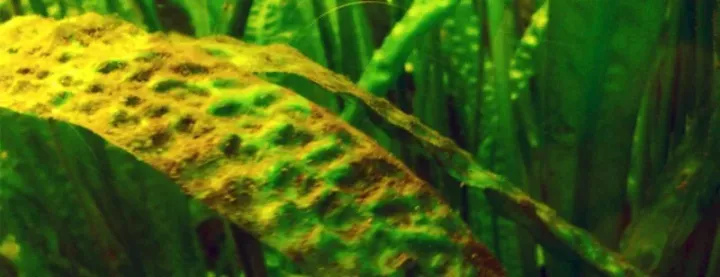
The first clinical sign of Synedra presence is the appearance of a brown, slimy film on the interior walls of hydroponic tanks and capillary tubes.
Plant roots submerged in the nutrient solution develop a brownish coating, which interferes with the absorption of essential minerals and oxygen.
Plants affected by these algal blooms often show stunted growth, leaf chlorosis, and general physiological distress due to poor root zone conditions.
The nutrient solution itself may become turbid, accompanied by an unpleasant, musty odor caused by the degradation of accumulated algal biomass.
Microscopic inspection reveals elongated, rod-like cells that often aggregate into radial or fan-shaped colonies attached to hardware surfaces.
Pathogen
Synedra is a genus of diatom algae that is increasingly recognized as a significant biological contaminant in modern hydroponic and aquaculture systems.
These organisms are characterized by their unicellular structure protected by a rigid siliceous frustule, providing them with high durability in aquatic environments.
The infestation is categorized as epiphytic, meaning they attach to surfaces within the growth system rather than infecting the internal plant tissues.
Synedra propagates primarily through asexual division, allowing it to form dense colonies across pipelines and reservoirs with remarkable speed.
In agricultural practice, it is treated as a major biosecurity threat that impairs the efficiency of nutrient delivery systems and water quality.
Conditions for development
The primary driver for Synedra development is exposure to light, as it is a photosynthetic organism that thrives in illuminated nutrient reservoirs.
High levels of dissolved silicates in the water supply provide the necessary raw materials for the algae to construct their protective silica shells.
Temperature ranges between 18 and 25 degrees Celsius create the ideal metabolic environment for rapid vegetative growth and colonization.
Stagnant areas within hydroponic installations, characterized by low water circulation, become the primary breeding grounds for the species.
Neutral to slightly alkaline pH levels in the nutrient solution significantly promote the proliferation of diatom communities in closed-loop systems.
Why it matters
The main economic damage stems from the direct competition for nutrient uptake, depriving crops of essential elements required for optimal development.
Synedra colonies frequently clog filtration systems, drip emitters, and nozzles, causing uneven moisture distribution across the greenhouse production area.
The accumulation of algae creates a substrate that harbors harmful bacteria and fungi, increasing the risk of secondary root rot outbreaks.
Heavy blooms consume significant amounts of dissolved oxygen at night, leading to root hypoxia which severely compromises crop yield and plant health.
Maintenance costs rise significantly as growers are forced to perform frequent system cleanings and chemical disinfection to restore proper functionality.
Protection
The most robust preventive strategy is the complete light-proofing of all reservoirs, pipes, and channels to inhibit the photosynthetic activity of algae.
Routine system sanitation using hydrogen peroxide solutions is highly effective in neutralizing algal films without leaving harmful toxic residues.
The integration of UV-C sterilization units into the circulation loop provides a non-chemical method for maintaining low algal population levels.
Maintaining high-velocity circulation of the nutrient solution effectively prevents the development of stagnant zones where Synedra typically establishes itself.
Implementing strict water quality monitoring and the use of specialized, plant-safe algaecides can successfully manage active outbreaks in commercial setups.
Discussion
No discussions yet — be the first.