
Synchytrium macrosporum
Synchytrium macrosporum
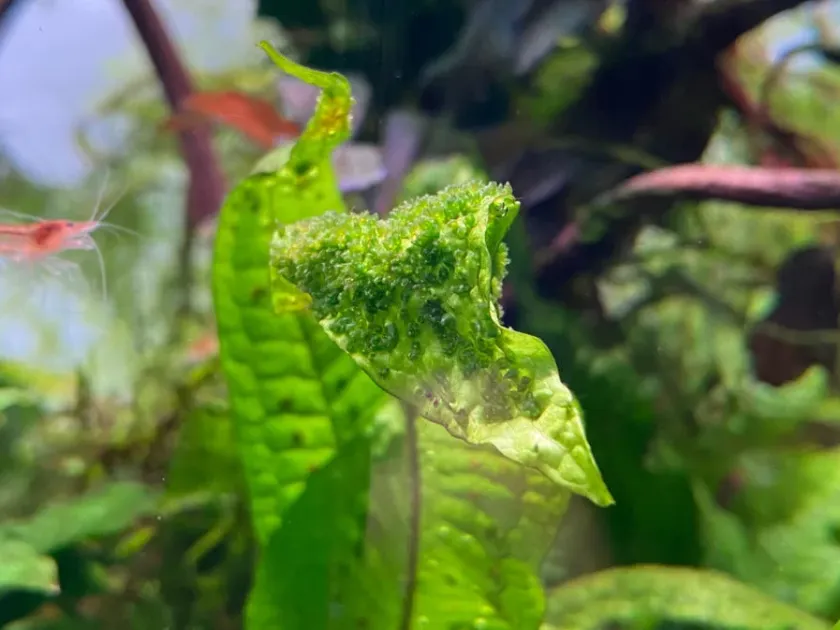
Description
Symptoms
The primary symptom of infection is the development of hyperplastic galls or wart-like growths on the stems, leaves, and root systems of the host.
The appearance of these lesions can range from small, wart-like bumps to large, deformed growths that may turn dark as tissues undergo necrosis.
In the early stages, infection sites appear as minor swellings that gradually increase in size as the fungal mycelium develops within the host cells.
Severe infestations lead to significant structural deformation, bending of stems, and premature wilting of affected plant parts.
Root system infection often results in stunted plant growth, chlorosis, and the potential for total plant collapse due to disrupted nutrient and water transport.
Pathogen
The causative agent of the disease is the fungus Synchytrium macrosporum, which belongs to the class Chytridiomycetes. It is an obligate parasite affecting a wide range of herbaceous plant species.
The life cycle of the pathogen relies on zoospores that actively swim in soil moisture, facilitating the infection of new host tissues.
The fungus produces resting spores capable of surviving in the soil for several years, which makes it a persistent threat in agricultural environments.
The pathogen invades epidermal plant cells, stimulating abnormal cell division and the formation of characteristic tumor-like growths known as galls.
Due to its broad host range, Synchytrium macrosporum easily persists on weed species, serving as a permanent source of inoculum for cultivated plants.
Conditions for development
High soil moisture is essential for the germination of spores and the movement of zoospores, as they require an aqueous medium to reach their targets.
Disease outbreaks are most intense during periods of prolonged rainfall, excessive irrigation, or in low-lying fields where water accumulates.
The pathogen thrives in moderate temperatures, typical of spring and autumn growing seasons, though it can remain active under varied environmental conditions.
Soils with poor aeration and heavy texture favor the disease by maintaining high humidity levels, allowing the pathogen to thrive throughout the season.
Improper crop management and lack of rotation often contribute to the buildup of soil-borne inoculum, leading to severe localized epidemics.
Why it matters
The damage caused by this pathogen stems from the exhaustion of the plant’s energy reserves, diverted to support the pathological growth of tissues.
Yield reduction is caused by the disruption of critical physiological processes, including photosynthesis and the systemic transport of nutrients.
In cases involving seedlings or young plants, the disease can lead to high mortality rates, resulting in significant economic loss for farmers.
Affected produce exhibits poor market quality and is highly susceptible to post-harvest decay, rendering it unsuitable for long-term storage.
Persistent soil contamination often forces growers to abandon the cultivation of susceptible crops on the affected land for extended periods.
Protection
The most effective strategy for managing this disease is strict crop rotation, avoiding susceptible species on infested land for at least 5-7 years.
Rigorous weed control is necessary to eliminate alternative hosts that allow the fungus to persist in the field between seasons.
Proper sanitation, including the removal and destruction of all infected crop residues, is crucial to prevent the accumulation of resting spores in the soil.
In infested areas, soil treatments such as liming or the use of targeted fungicides can help reduce the viability of the pathogen in the soil.
- Selection of certified disease-free planting material.
- Improvement of field drainage systems to prevent waterlogging.
- Preventive application of fungicides during high-risk environmental conditions.
Discussion
No discussions yet — be the first.