
Synchytrium globosum
Synchytrium globosum
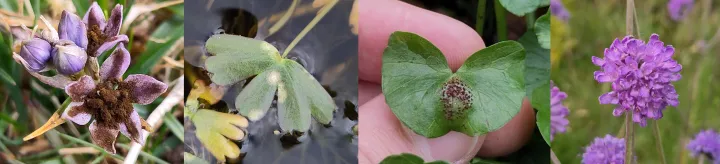
Description
Symptoms
The primary symptom of Synchytrium globosum infection is the formation of galls or tumor-like outgrowths on leaves, stems, and petioles. These growths are caused by abnormal cell division (hyperplasia) and enlargement (hypertrophy) induced by the parasite.
These galls often appear as small, green or yellowish bumps on the affected plant surface. As the infection progresses and tissues undergo necrosis, these growths may darken to brown or black, leading to severe deformity of the plant organ.
Infected plants typically exhibit signs of physiological stress, including stunted growth and reduced vigor. The presence of numerous galls disrupts the normal transport of nutrients and water, severely weakening the host plant.
Under magnification, the surface of these galls may show minute specks, which are massed sporangia. These structures are a clear diagnostic indicator that the fungus is actively reproducing within the host tissue.
- Chlorotic spots appearing on early leaf stages.
- Development of characteristic tumor-like galls.
- Deformation and twisting of stems and foliage.
- Premature yellowing and wilting of plant tissues.
Pathogen
Synchytrium globosum is an obligate parasite belonging to the phylum Chytridiomycota. As a primitive pathogen, it does not produce a true mycelium, relying instead on unicellular or simple thallus structures to infect plant tissues.
The life cycle of the pathogen is dominated by zoospores, which possess flagella allowing them to move actively through thin films of water. These zoospores target epidermal cells of host plants, initiating the infection process upon contact.
The fungus survives in the soil in the form of resting cysts, or sporangia, protected by robust walls. These structures are highly resistant to environmental stress, enabling the pathogen to remain viable in the soil for several years.
Infection begins when resting sporangia germinate under favorable conditions, releasing numerous motile zoospores. These spores utilize water availability to migrate toward susceptible host tissues, spreading the disease across the field.
The biology of Synchytrium globosum is intrinsically linked to moisture. Without adequate water, the mobility of the zoospores is severely restricted, which limits the pathogen's ability to locate and infect new host plants.
Conditions for development
The development of Synchytrium globosum is heavily influenced by hydro-thermal conditions. High soil moisture and moderate temperatures are the most critical factors favoring the rapid spread of the pathogen.
Outbreaks are most commonly associated with periods of prolonged rainfall or excessive irrigation. The presence of standing water or a persistent water film on soil surfaces is essential for the motility and transmission of zoospores.
The optimal temperature range for the germination of resting spores typically falls between 15°C and 22°C. Within this range, the incubation period is significantly reduced, leading to rapid disease escalation.
Soil type can influence disease prevalence; heavy, poorly drained soils that are prone to waterlogging provide a more conducive environment for the fungus compared to well-aerated, sandy soils.
The presence of certain weeds may act as a reservoir for the pathogen. These alternative hosts allow the fungus to persist in the ecosystem, ensuring a supply of inoculum for the next crop season.
Why it matters
The economic impact of Synchytrium globosum stems from the significant reduction in leaf area available for photosynthesis. The plant redirects energy from production to maintaining and expanding the pathogenic galls.
Severe infestations lead to premature senescence and death of the vegetative mass, causing substantial yield losses. The overall quality of the harvested produce is often compromised due to the visible damage and internal metabolic disruption.
The pathogen poses a specific risk in greenhouse environments where controlled humidity levels can inadvertently facilitate the continuous spread of the disease if proper hygiene is not maintained.
By weakening the host's immune system, the infection makes the plant more susceptible to secondary pathogens, including various bacteria and fungi that take advantage of the damaged tissue.
The long-term persistence of resting spores in the soil necessitates rigorous land management practices, often requiring multi-year crop rotations to prevent the buildup of inoculum to levels that would make cultivation unviable.
Protection
The most effective strategy for managing Synchytrium globosum is a structured crop rotation. By alternating host crops with non-host species, the life cycle of the pathogen is broken, leading to a decline in soil-borne inoculum.
Sanitation is paramount; removing weeds and destroying infected plant debris reduces the primary sources of infection within the field. Ensuring all tools and machinery are cleaned prevents the mechanical transport of spores.
Water management is critical to reducing disease pressure. Implementing good drainage systems and avoiding excessive irrigation helps to prevent the formation of the water films required by the zoospores for movement.
Utilizing resistant cultivars is the gold standard for disease control. Genetic resistance provides a sustainable and environmentally friendly solution, significantly reducing the need for chemical interventions.
In high-pressure situations, fungicide applications may be necessary to inhibit zoospore germination. Such treatments must be applied according to professional regulations and integrated with cultural practices for maximum effectiveness.
Discussion
No discussions yet — be the first.