
Chestnut leaf spot
Stromatoseptoria castaneicola
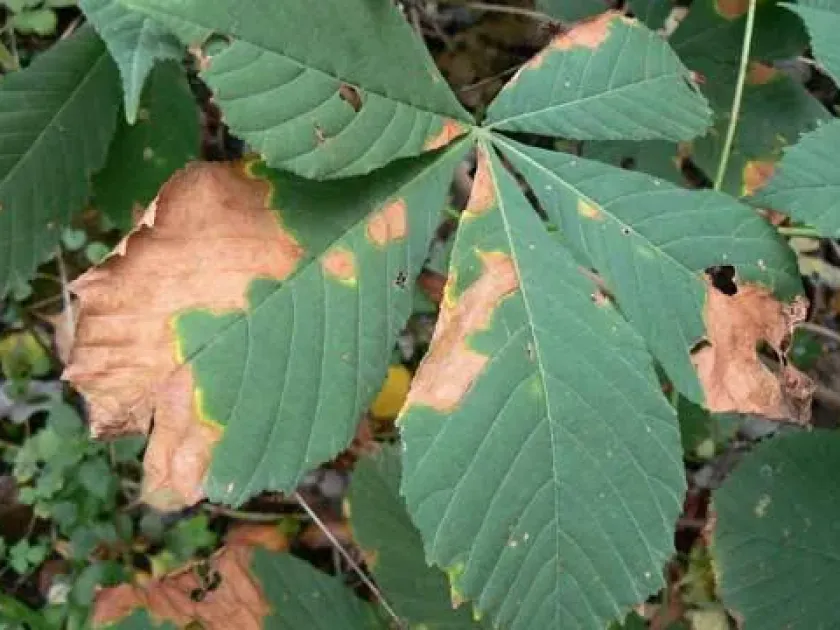
Description
Symptoms
Initial symptoms include the appearance of small, round to angular spots on the leaves. These spots often begin as light green or yellowish patches before turning brown or dark grey as the tissue dies.
A distinctive feature of this infection is the formation of tiny, dark black dots in the center of the necrotic lesions. These are the pycnidia of the fungus, which are often visible even without magnification in dry weather.
As the infection intensifies, these spots often coalesce, covering large portions of the leaf blade. This lead to premature curling and drying of the foliage, giving the tree a sickly appearance.
Defoliation often begins in the lower branches where humidity levels are higher and airflow is more restricted. In severe cases, a tree may lose its foliage prematurely by late summer.
- Light brown spots with dark margins.
- Visible black pycnidia on the leaf surface.
- Leaf necrosis and curling.
- Premature leaf drop in late summer.
Pathogen
The fungus Stromatoseptoria castaneicola is the primary pathogen causing leaf spot in chestnut trees. This fungus belongs to the class of pathogens that overwinter in fallen leaf litter, utilizing it as a reservoir for new infections.
The life cycle of the pathogen is centered on the production of pycnidia, small fruiting bodies that develop on diseased leaves. During wet weather, these structures release spores that propagate the disease throughout the canopy.
Classified as a leaf spot disease, it primarily affects the photosynthetic tissues of the chestnut. By secreting enzymes, the fungus causes localized cell death, which manifests as necrotic spots on the foliage.
The progression of the disease is highly dependent on environmental humidity. Once the spores land on a healthy leaf, they germinate under moist conditions and initiate the penetration of the plant epidermis.
Diagnostic confirmation is typically achieved through microscopic observation of the pycnidia, which contain characteristic conidia. Identifying these structures is essential for distinguishing this disease from other similar fungal spots.
Conditions for development
Development of this disease is most favorable under high humidity and moderate temperatures. Frequent rainfall is the primary driver of spore dispersal within and between chestnut trees.
Dense canopies prevent proper aeration, which creates a stagnant microclimate favorable for the fungus. Poorly managed trees with excessive foliage density are significantly more susceptible to infection.
Environmental stress, including drought or nutrient deficiencies, reduces the tree's innate defense mechanisms. Stressed trees are unable to fend off the fungal invasion as effectively as healthy ones.
Dew and fog are also critical factors. They prolong the wetness period on the leaf surface, which is essential for the fungal spores to successfully infect the plant tissue.
Optimal conditions for infection are usually found during damp spring seasons followed by rainy summers. These seasons often see the most significant spread of the pathogen in orchards.
Why it matters
The primary damage caused by leaf spot is the reduction of the photosynthetic capacity of the tree. As leaf area is destroyed, the tree cannot produce enough energy, leading to stunted growth.
Increased vulnerability to winter damage is a major concern. Trees entering the dormant season without sufficient energy reserves are more likely to suffer from winter dieback or frost injury.
In ornamental settings, the aesthetic value of the tree is severely compromised. Premature defoliation ruins the landscape appearance, which is a major drawback for public parks and private gardens.
Chestnut fruit production is negatively impacted by severe infections. The nuts may fail to fill properly, resulting in reduced yields and poorer quality kernels, causing economic losses for growers.
Long-term infestation weakens the tree's overall vigor. This makes it increasingly susceptible to secondary pests and pathogens, potentially leading to the decline and death of the specimen over several years.
Protection
Sanitation is the most effective preventative measure. Collecting and destroying fallen leaves in the autumn is crucial because the fungus survives the winter in the leaf litter.
Chemical control involving copper-based fungicides or systemic alternatives can be highly effective. Treatments should be applied preventatively at the beginning of the growing season.
Pruning is vital to ensure good air circulation within the tree canopy. By thinning out excessive growth, growers can reduce the amount of time the foliage remains wet after rainfall or dew.
Maintaining tree health through proper fertilization and watering supports the tree's natural defense systems. Strong, well-nourished trees are better equipped to withstand potential fungal outbreaks.
If the infection has established itself, multiple fungicide applications may be necessary. Rotation of different chemical classes is recommended to prevent the pathogen from developing resistance.
Discussion
No discussions yet — be the first.