
Stigmina leaf spot
Stigmina hartigiana
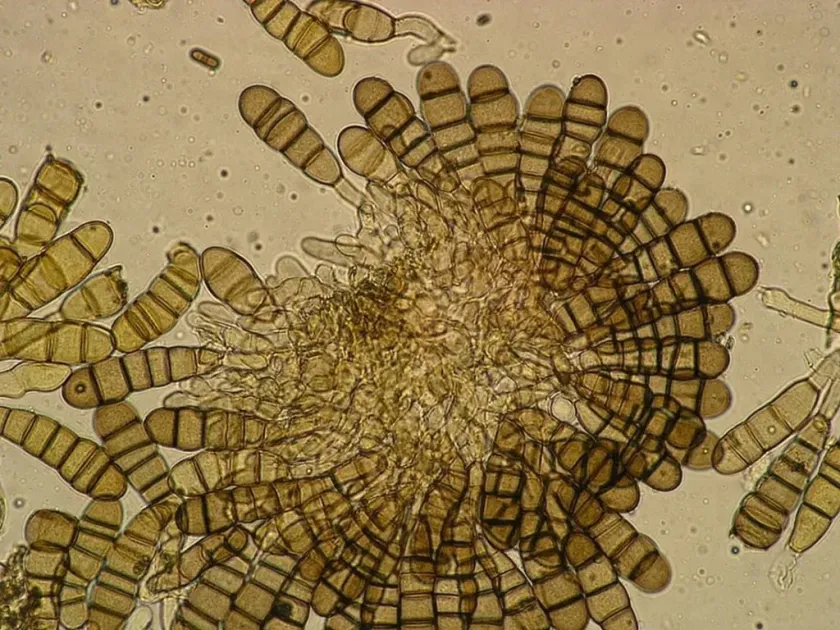
Description
Symptoms
The disease is characterized by the appearance of distinct spots on the foliage. These lesions are typically brown or dark brown, often surrounded by a darker margin that helps distinguish them from other leaf spot diseases.
A key diagnostic feature is the presence of small, dark fruiting bodies (sporodochia) visible on the underside or surface of the necrotic spots. These bodies serve as the site for massive spore production.
Advanced infection often results in early defoliation. Affected leaves may curl, dry out, and drop prematurely, leaving branches bare long before the natural autumn senescence occurs.
On woody stems and young twigs, the fungus can induce localized necrotic lesions or cankers. These lesions may cause slight deformation of the shoots and impede the movement of water and nutrients.
In cases of severe infestation, the cumulative effect of foliage loss and stem cankers significantly reduces the overall vigor and growth rate of the tree.
Pathogen
The causal agent of this disease is the anamorphic fungus Stigmina hartigiana (Sacc.) S. Hughes. This pathogen is known for infecting the leaves and succulent tissues of various hardwood tree species.
The fungus overwinters primarily in the form of mycelium within fallen leaves or as spores on infected twigs. This ability to survive in plant debris makes it a persistent threat in forests and ornamental gardens.
During the growing season, the fungus produces conidia which act as the primary inoculums. These spores are disseminated by wind, rain splashes, and sometimes by insect vectors moving between canopy layers.
Once settled on a susceptible surface, the conidia germinate and penetrate the host tissue through stomata or small cracks in the epidermis. The fungal colonization then expands intercellularly, leading to cell death.
Biological studies of the Stigmina genus highlight its specialized parasitic nature, often causing chronic stress rather than sudden death to the host plant.
Conditions for development
High relative humidity is the primary catalyst for the development and spread of Stigmina hartigiana. Extended periods of rainfall or heavy morning dew create the perfect environment for spore germination.
The fungus thrives in moderate temperature ranges. Cool, wet springs often lead to higher infection rates as the moisture coincides with the emergence of young, susceptible leaf tissue.
Lack of proper aeration is a significant risk factor. Densely planted trees or those with unpruned, overgrown canopies retain moisture for much longer periods, allowing the fungus to establish itself easily.
Trees undergoing abiotic stress, such as drought or nutrient deficiencies, show lowered natural defenses. This makes them significantly more susceptible to successful colonization by the fungal pathogen.
Poor site sanitation is a major contributing factor. Accumulations of dead leaves and debris under the tree canopy act as a reservoir for the fungus to persist from one year to the next.
Why it matters
The primary economic and aesthetic damage is caused by the reduction of the leaf area available for photosynthesis. This leads to a decrease in energy storage for the tree.
Premature leaf drop negatively impacts the tree's winter preparation. Trees may enter dormancy in a weakened state, making them prone to cold injury or frost damage during the winter months.
For ornamental and urban landscapes, the disease destroys the visual appeal of trees, causing them to look blighted and unhealthy, which may necessitate removal or expensive chemical treatments.
In nursery settings, this disease significantly hinders the growth of saplings. Stunted growth and poor shoot development often lead to high rejection rates and economic losses for growers.
Over several years, repeated infections can lead to the death of small branches and twigs, resulting in a thin, sparse crown and increased vulnerability to secondary pests and pathogens.
Protection
Cultural practices are essential for management. The most effective step is the thorough removal and destruction of all fallen leaves at the end of the season to eliminate the primary inoculum source.
Pruning is highly recommended to improve canopy aeration. Removing infected, cankered twigs and branches helps reduce the local spore load and improves overall tree health.
Chemical control involving copper-based fungicides or systemic products can be applied as a preventive measure during the early stage of leaf expansion, especially in high-value ornamental trees.
Maintaining tree vigor through proper fertilization and irrigation is crucial. A healthy, well-nourished tree is significantly more capable of resisting fungal infections than one experiencing stress.
When selecting plants for new landscapes, preference should be given to species or varieties known to be resistant to Stigmina, particularly in regions where humidity is consistently high.
Discussion
No discussions yet — be the first.