
Stictidaceae fungi
Stictidaceae
Description
Symptoms
The primary symptom of an infection is the emergence of small spots on affected plant organs, which eventually crack. In the necrotic zones, fungal fruiting bodies appear as distinct cup-shaped or disc-shaped structures.
When twigs or branches are infected, the bark changes color, turning gray or brownish. Localized swellings may develop in the affected area, eventually rupturing to release the fungal spore mass.
On leaves, symptoms manifest as chlorotic spots often surrounded by dark margins. Under high humidity, spore-producing structures may develop within these spots, appearing as minute dots.
In herbaceous plants, infection of the stems leads to constriction and premature wilting of the upper parts. The destruction of internal vascular tissues reduces the stem's structural integrity, often leading to breakage.
The gradual spread of mycelium within the plant tissues causes localized dieback (diffuse necrosis). Without intervention, this can lead to the partial or complete death of the host plant throughout the growing season.
Pathogen
Stictidaceae is a family of fungi within the order Ostropales and the class Lecanoromycetes. This diverse family includes both saprotrophic species and those capable of acting as pathogens on woody and herbaceous plant tissues.
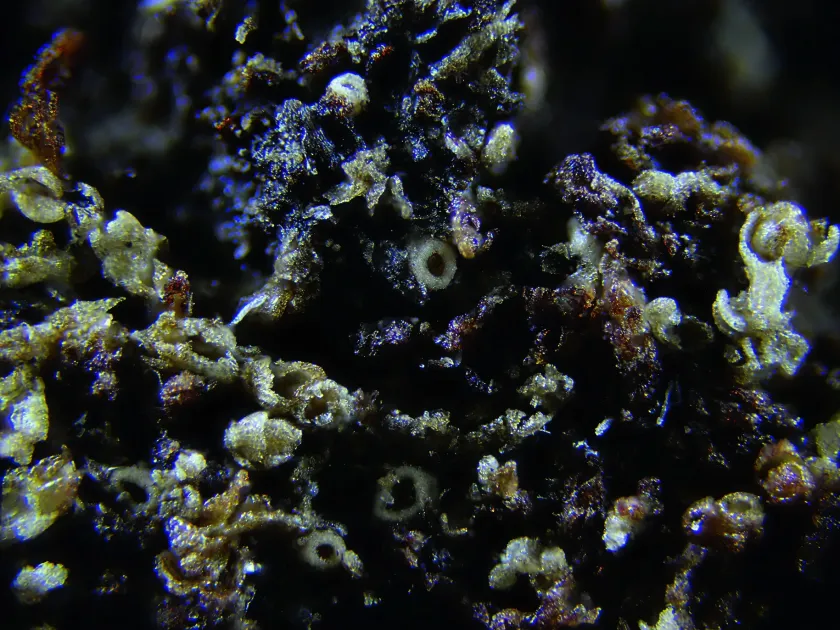
These fungi are characterized by the development of apothecia-type fruiting bodies, which are typically immersed in the host substrate or covered by the plant's epidermis. As they mature, these fruiting bodies rupture the plant tissue to release spores.
The biology of these fungi is often linked to stressed or weakened plant tissues. Many species act as facultative parasites, transitioning from a saprotrophic lifestyle on dead plant parts to actively colonizing living cells when plant immunity is compromised.
Dispersal is primarily mediated by spores carried by wind or splashing rain. Upon landing on bark or foliage, spores germinate if they find suitable entry points like micro-cracks or previous injury sites, initiating the colonization process.
In agronomy, Stictidaceae are often considered part of a broader mycobiota complex inhabiting necrotic tissues. Identification typically requires microscopic observation of the asci and spore morphology to distinguish them from similar fungal families.
Conditions for development
High relative humidity and moderate temperatures are the most favorable conditions for the development of Stictidaceae fungi. Excess moisture in the canopy or root zone serves as a critical driver for spore germination and infection.
These fungi spread most effectively in dense plantings where airflow is restricted. Poor circulation prevents the drying of plant surfaces, maintaining the moisture levels required for the pathogen's metabolic activity.
Mechanical injuries—whether caused by pruning, hail, or insect pests—provide essential entry points for the fungus. The pathogen rapidly colonizes these vulnerable areas, utilizing them as a nutrient-rich base for further invasion.
Plants suffering from nutrient deficiencies or drought stress are significantly more susceptible to Stictidaceae colonization, as their natural defense mechanisms are weakened.
Infection cycles usually peak during periods of frequent rainfall in spring and autumn. During these times, the prolonged wetness of plant surfaces creates optimal windows for successful infection events.
Why it matters
The primary economic impact stems from reduced plant vigor, which directly leads to lower yields. In woody crops, infections of the main bark can result in the death of significant skeletal branches.
Fungal colonization exacerbates necrotic processes, disrupting the transport of nutrients and water throughout the plant. This manifests as stunted growth and premature leaf senescence.
For ornamental plants, the presence of ulcers and necrotic spots severely diminishes aesthetic value, rendering the products unsuitable for commercial sale in nursery markets.
In nursery environments, the infection can spread rapidly, causing high mortality rates among seedlings and young saplings. Significant losses in stock quality lead to substantial financial damage for producers.
Chronic infection in shrubs and trees leads to premature aging and decreased cold hardiness. Stressed plants are also more likely to be attacked by secondary pests, worsening the overall phytosanitary status.
Protection
Prophylactic measures based on good agricultural practices are paramount. Regular sanitary pruning and the removal of infected plant tissues are essential to reduce the local inoculum pressure.
Maintaining appropriate plant spacing is critical to ensure proper ventilation. Thinning of tree canopies and controlling weeds in inter-rows significantly lower humidity levels around the host plants.
To protect against the pathogen, the application of broad-spectrum fungicides, particularly copper-based or systemic products, is recommended. Treatments should be applied preventively before the main sporulation period begins.
Proper management of pruning wounds is crucial. The application of grafting wax or specialized wound sealants prevents fungal spores from entering fresh tissues.
Balanced fertilization, ensuring sufficient potassium and phosphorus, strengthens plant cell walls and enhances the host's natural resistance to fungal diseases.
Discussion
No discussions yet — be the first.