
Stereum subtomentosum
Stereum subtomentosum
Description
Symptoms
The most visible sign of infection is the emergence of bracket-like fruit bodies on the trunk or branches, particularly noticeable during humid weather. These brackets often form overlapping tiers on the tree surface.
Internally, the wood undergoes significant changes, typically exhibiting signs of white rot. The decayed wood loses its mechanical strength and becomes brittle, often changing color to lighter shades as the fungus strips away the cell wall components.
The bark at the site of infection may show signs of cracking, peeling, or necrotic lesions. Lifting the bark often reveals fungal mats or mycelial cords, which are clear indicators of extensive internal colonization.
The tree exhibits physiological distress symptoms, such as premature leaf drop, stunted annual growth, and crown dieback. This is caused by the disruption of the vascular system as the fungus consumes the conductive tissues.
Advanced stages of the disease are characterized by significant wood fragility, increasing the risk of structural failure and windthrow. In severe cases, the entire tree may decline and die as the structural integrity of the stem is lost.
Pathogen
Stereum subtomentosum is a basidiomycete fungus belonging to the Stereaceae family. In agronomy and arboriculture, it is classified as a facultative parasite and a significant wood-decay pathogen that primarily targets deciduous trees.
The pathogen typically enters the tree through wounds, pruning cuts, or frost cracks, where it colonizes the xylem. Once inside, the fungal mycelium begins to break down the wood structure, focusing primarily on lignin and cellulose degradation.
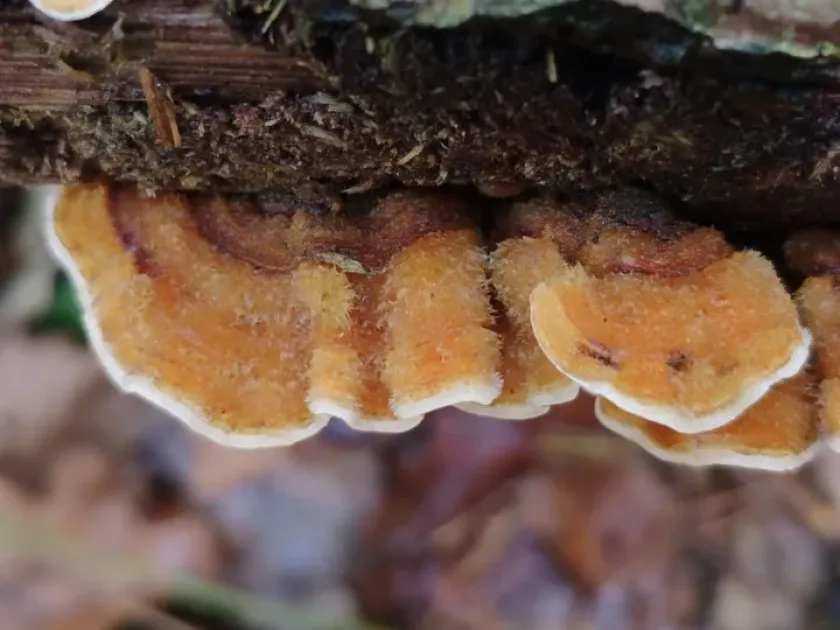
The fruit bodies of the fungus are characterized by their yellowish-brown to ochre color and a velvety, felt-like surface texture. They usually grow in shelf-like or effused-reflexed clusters on the bark or exposed wood of the host.
As a saprotrophic and parasitic fungus, it can persist in infected timber for long periods. During favorable conditions, the fungus produces basidiospores that are dispersed by wind and rain, initiating new infections in neighboring susceptible trees.
The biological nature of Stereum subtomentosum makes it a persistent threat in forests and orchards, especially where tree wound management is neglected, necessitating proactive monitoring and care.
Conditions for development
The development of Stereum subtomentosum is heavily dependent on moisture. High humidity levels and rainfall provide the necessary environment for the spores to germinate and for the mycelium to spread through the wood tissue.
Temperature plays a crucial role in fungal growth, with the optimal range for mycelial expansion falling between 15 and 25 degrees Celsius. In these temperatures, the pathogen can aggressively invade host tissues.
The presence of physical damage to the tree is the primary gateway for infection. Wounds from pruning, severe weather, or mechanical injury provide the ideal environment for the spores to attach and germinate.
Stressed trees, particularly those suffering from drought, poor nutrition, or pest infestations, are significantly more susceptible to colonization. A compromised immune system reduces the tree's ability to compartmentalize the infection.
Poorly ventilated and overcrowded stands facilitate the spread of the pathogen by retaining moisture around the bark. Accumulated woody debris on the ground further contributes to a high spore load in the immediate environment.
Why it matters
The primary damage caused by this fungus is the destruction of heartwood and sapwood, which compromises the tree's structural stability. This makes infected trees a safety hazard, especially in areas with human activity.
By disrupting the flow of water and nutrients, the fungus prevents the tree from maintaining normal biological functions. This leads to reduced vigor, lower fruit yields in orchard settings, and eventual death of the organism.
Economic losses in forestry and fruit production are significant, as the wood becomes technically useless and the trees themselves must often be removed and destroyed to prevent the spread of the pathogen.
The pathogen can easily spread to neighboring healthy trees, creating clusters of infected specimens. This mosaic pattern of disease can quickly turn a productive orchard or woodland into a site of widespread decay.
The long-term impact of failing to manage this fungus involves high removal and disposal costs, as well as the loss of valuable tree species, which may require years to be replaced and grow back to maturity.
Protection
Sanitation is the cornerstone of control. All infected trees, branches, and woody debris should be promptly removed from the site and burned to eliminate the inoculum source that could release spores.
Proper wound care is essential. All pruning cuts and accidental wounds should be immediately treated with appropriate sealants, wound paints, or copper-based fungicides to prevent spores from entering the fresh tissue.
To prevent cross-contamination, all pruning tools must be thoroughly disinfected with alcohol or a copper fungicide solution after working on an infected tree and before touching healthy plants.
Maintaining tree vigor through balanced fertilization, proper irrigation during drought, and effective pest management helps the tree maintain its natural defense mechanisms against fungal pathogens.
In cases where the infection is localized, surgical removal of the decayed wood, followed by treatment of the exposed area with fungicides and protective sealants, can sometimes halt the progress of the rot and save the tree.
Discussion
No discussions yet — be the first.