
Stereum rameale
Stereum rameale
Description
Symptoms
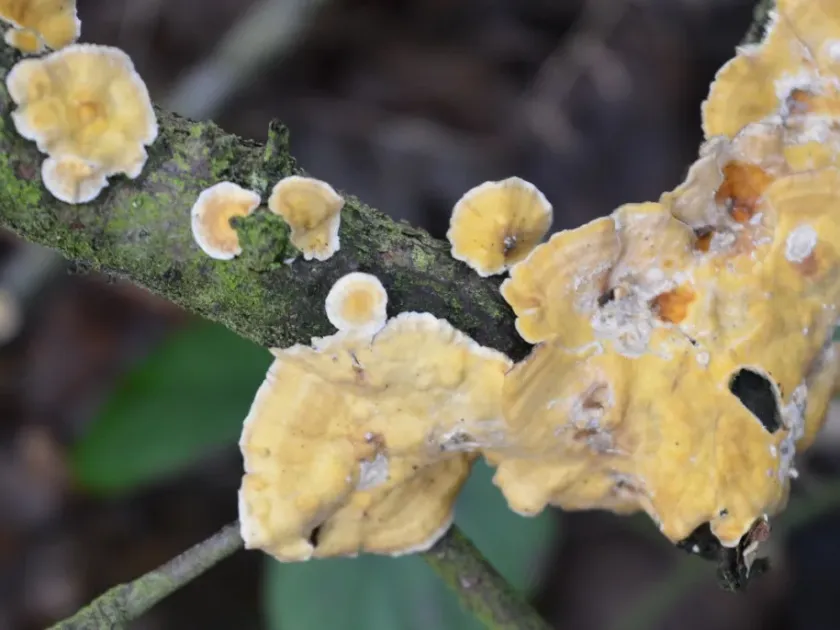
The presence of thin, ochre-brown or brownish crusts with distinct light-colored edges on the surface of tree bark is a clear sign of infection.
Infected areas of the bark often show signs of cracking, peeling, or darkening, indicating the death of the outer protective layer of the branch.
The wood beneath the bark loses its structural integrity and exhibits a light, bleached appearance, which is a classic symptom of white rot caused by this pathogen.
Localized necroses and sunken areas on the branches are common as the fungal mycelium colonizes the underlying sapwood and disrupts local vascular flow.
Affected branches become extremely brittle and are prone to sudden breakage during windy weather, as the wood interior has been hollowed out by the decay.
Pathogen
Stereum rameale is a basidiomycete fungus that primarily acts as a saprotroph, but can become an opportunistic parasite under favorable conditions for the pathogen.
It belongs to the Stereaceae family and is commonly found on the branches of deciduous trees, where it causes a type of white rot in the wood.
The fungus produces thin, leathery, crust-like fruiting bodies on the bark of weakened or dead branches, which serve as the primary source for spore dispersal.
The mycelium of the fungus penetrates the cambium and sapwood, where it secretes enzymes that decompose lignin and cellulose, leading to the loss of wood strength.
While often associated with small-diameter branches, Stereum rameale can spread to larger limbs if the host tree's defense systems are compromised by stress or injury.
Conditions for development
Development of the fungus is highly favored by environments with high humidity, prolonged dampness, and moderate temperatures typical of spring and autumn seasons.
Mechanical injuries, including frost cracks, sunscald on the bark, and poorly executed pruning cuts, provide easy access points for fungal spores.
Trees suffering from drought, poor nutrition, or existing pest infestations are significantly more susceptible to successful colonization by Stereum rameale.
Dense canopy growth that restricts airflow creates a microclimate with stagnant, humid air, which is ideal for the germination of fungal spores on bark.
Leaving fresh pruning wounds untreated or unpainted allows spores to land directly on vulnerable, exposed wood tissues.
Why it matters
Stereum rameale causes internal wood degradation, which reduces the overall vigor and productivity of fruit trees by impairing water and nutrient transport.
The progressive death of branches leads to permanent canopy loss, ultimately shortening the lifespan of the affected tree if not managed correctly.
Decayed limbs pose a physical risk to the tree and surrounding infrastructure because they can fail unpredictably, leading to heavy limb loss during storms.
The fungus acts as a persistent reservoir of inoculum, putting surrounding healthy trees at risk if diseased wood is not removed from the area.
Economic damage occurs due to the reduction in fruit quality and the potential need for costly removal of permanently damaged or hazardous trees.
Protection
Sanitary pruning is the most critical control measure; all infected branches should be promptly removed and burned to eliminate the fungal source.
All large pruning cuts must be treated with a protective wound sealant or copper-based paste to prevent spore entry and promote faster healing.
Maintaining bark health through proper whitening (whitewash) helps prevent frost damage and sunscald, which are primary entry sites for the infection.
Early spring applications of copper-based fungicides can help suppress fungal spore development on the tree surface before the growth season peaks.
- Regular inspection of trees for early signs of decay.
- Removing old stumps that may harbor fungal colonies.
- Sterilizing pruning tools between trees to prevent cross-contamination.
Discussion
No discussions yet — be the first.