
Stereum gausapatum
Stereum gausapatum
Description
Symptoms
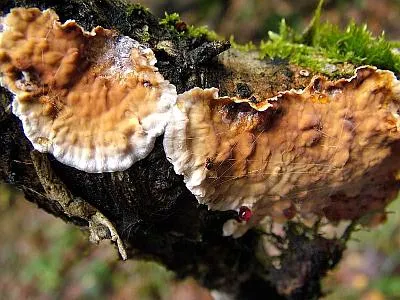
The most distinctive symptom is the presence of the fungus's fruiting bodies. These appear as tough, leathery, shelf-like structures that grow directly on the trunks or large branches of the host tree.
The upper surface of the fruit bodies is characteristically covered in a fine, stiff, hair-like texture, which is a key diagnostic feature of Stereum gausapatum. The color usually ranges from greyish-brown to a deep ochre.
Infected wood often reveals significant decay when cross-sectioned. The wood may become brittle, discolored, and show dark, distinct zone lines caused by the fungal mycelium demarcating areas of growth.
The internal decay often leads to a reduction in density, which can be identified by a hollow sound when the trunk is tapped. This indicates that the core of the tree is being systematically consumed.
Advanced stages of the disease manifest in the canopy as dieback, sparse foliage, and premature leaf drop. These symptoms occur because the decay disrupts the tree's vascular system, hindering water and nutrient transport.
Pathogen
Stereum gausapatum is a basidiomycete fungus that functions primarily as a saprotroph but can act as a facultative parasite. It belongs to the Stereaceae family and is known for causing heart rot in various deciduous trees.
This fungus propagates via basidiospores that are dispersed by wind. Once spores land on exposed wood or damaged bark, they germinate and form a mycelium that begins to colonize the tree's internal structures.
The fungus produces enzymes capable of breaking down lignin and cellulose within the wood cells. This enzymatic process leads to the gradual degradation of the tree's structural integrity.
The fungal mycelium can persist within the heartwood and sapwood for many years, slowly consuming the internal tissues while the tree continues to live, often showing only subtle signs of distress.
As a pathogen, it is classified as a decay-causing agent. It is not aggressive enough to kill healthy, vigorous trees quickly, but it thrives in weakened specimens, slowly leading them toward structural failure.
Conditions for development
High humidity and moderate temperatures provide optimal conditions for the growth of Stereum gausapatum. Prolonged rainy periods are particularly conducive to the rapid spread of the fungus.
Physical injuries serve as the primary entry points for the pathogen. Frost cracks, sunscald, broken branches, and wounds inflicted by logging equipment or insects create ideal pathways for spores to settle.
Trees that are already suffering from environmental stress, such as drought or soil compaction, are significantly more susceptible to infection compared to healthy, robust trees.
Poorly managed forest stands with high density and low airflow create a stagnant, humid microclimate. This environment is highly beneficial for the proliferation and survival of the fungus.
The spring and autumn months are the primary windows for infection when weather conditions favor spore dispersal and germination on susceptible woody surfaces.
Why it matters
The primary economic harm caused by this fungus is the devaluation of timber. Decay significantly reduces the strength and quality of the wood, rendering it unsuitable for high-grade carpentry or construction.
In parkland and urban settings, the presence of the fungus poses a safety risk. Trees weakened by heart rot are prone to structural failure, including trunk snapping or windthrow, which can endanger nearby property and people.
The fungus specifically targets deciduous species like oaks, impacting biodiversity and the health of native forest ecosystems. Over time, it can lead to the loss of large, old-growth trees.
By compromising the structural core of the tree, the fungus makes the host more attractive to secondary pests, such as wood-boring beetles, which further expedite the decline and eventual death of the tree.
The long-term impact involves a reduction in the forest's overall productivity and a potential shift in species composition as infected trees gradually disappear from the canopy.
Protection
Sanitation is the most critical control measure. Removing and destroying heavily infected trees or branches is essential to reduce the inoculum load within a forest area.
Promoting tree health through proper silvicultural practices, such as thinning, helps ensure adequate airflow and reduces moisture retention on trunks, making the environment less hospitable to the fungus.
All pruning wounds or accidental damage to bark should be treated immediately with wound dressings or fungicides to prevent opportunistic infections by fungal spores.
Integrated pest management strategies that focus on controlling wood-boring insects also help reduce the number of potential infection sites, thereby indirectly protecting trees from the fungus.
- Conduct regular health assessments of tree stands.
- Remove deadwood and infected trees promptly.
- Disinfect tools between cuts to prevent cross-contamination.
- Maintain optimal soil moisture and nutrient levels to boost tree immunity.
Discussion
No discussions yet — be the first.