
Stereum
Stereum
Description
Symptoms
The most iconic symptom of infection, particularly in fruit trees like plums, is the "silver leaf" effect. The leaves develop a distinctive metallic sheen due to the separation of the leaf epidermis from the underlying layers.
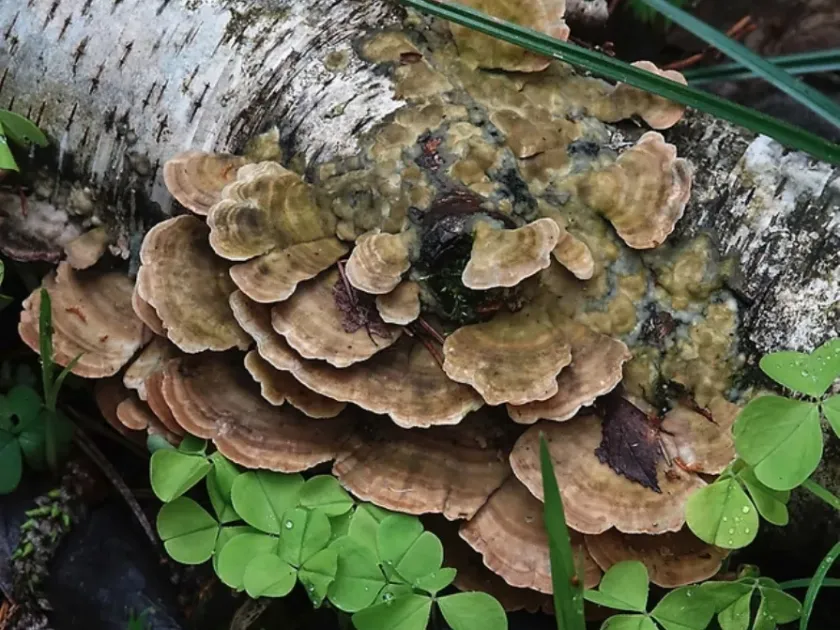
The appearance of hard, bracket-like or crust-like fungal fruiting bodies on the trunk or branches is a clear indicator of a severe infestation. These are often leathery and range in color from grey to purplish-brown.
Cross-sectioning an infected branch reveals deep internal staining. The wood typically exhibits a dark brown or blackish discoloration, which is the site of the active fungal decay taking place.
The tree shows signs of general decline: the canopy becomes sparse, individual branches die back, and the overall vigor of the tree is significantly reduced compared to healthy specimens.
In advanced stages, the structural integrity of the wood is so compromised that the tree becomes brittle and prone to breakage. This can lead to the sudden collapse of large limbs or the entire tree under stress.
Pathogen
The disease is caused by fungi of the genus Stereum, with Stereum purpureum (commonly known as the silver leaf fungus) being the most prominent and aggressive pathogen affecting broadleaved trees and woody plants.
This fungus acts as a wound parasite. It gains entry into the host tree through fresh pruning wounds, bark injuries caused by wind, frost cracks, or damage from insects and wildlife, colonizing the wood tissues.
Once inside, the fungus secretes enzymes that break down lignin and cellulose, the primary components of wood. This results in the characteristic white rot, which weakens the internal structure of the tree's branches and trunk.
The fungus produces thin, leathery fruit bodies that appear on the surface of the bark. These structures produce vast quantities of spores, which are then disseminated by wind and rain, potentially infecting neighboring trees.
It is essentially a saprotrophic fungus that can opportunistically become parasitic. This allows it to persist in the environment on deadwood and stumps, acting as a constant threat to nearby living trees.
Conditions for development
The infection process is almost entirely dependent on the availability of entry points. Wounds left unprotected after pruning are the most common sites for fungal spore germination and successful colonization.
High humidity and mild temperatures are ideal for the development of the fungus. Rainy periods, especially during late summer and autumn, facilitate the massive release and dispersal of fungal spores.
Stressed trees are significantly more susceptible to infection. Factors such as drought, poor soil fertility, or damage from heavy cropping can weaken the tree’s natural defenses, allowing the fungus to establish itself.
Lack of sanitation in the orchard is a major driver of the disease. Leaving pruned branches or dead trees on site allows the fungus to continue producing spores, perpetuating the cycle of infection year after year.
The transfer of spores by contaminated pruning tools is a critical factor. If the same tool is used on an infected tree and then on a healthy one without proper disinfection, the disease spreads rapidly.
Why it matters
Stereum causes significant economic losses by destroying the timber value and structural stability of the wood. Infected trees often become a liability, requiring expensive removal to prevent property damage.
In orchards, the disease leads to a marked decrease in fruit quality and quantity. The compromised transport system of the wood prevents the tree from effectively nourishing its fruit, leading to stunted harvests.
The gradual dieback of the tree limits its lifespan and productivity. Once the fungus has reached the main trunk, the tree is usually beyond recovery and must be removed to protect the remaining orchard.
It can cause total destruction of individual tree specimens. The gradual rot eventually affects the heartwood, leading to a loss of mechanical strength that makes the tree prone to snapping during storm events.
Management of the disease requires high labor costs, including regular inspections, careful pruning practices, and the systematic removal of all dead or dying wood from the cultivation area.
Protection
- Always treat fresh pruning wounds with protective fungicides or grafting wax to seal the wood.
- Practice strict sanitation by removing and burning any infected branches or dead trees immediately upon detection.
- Sterilize all pruning equipment with a 70% alcohol solution or bleach between trees to prevent cross-contamination.
- Avoid pruning trees during wet, rainy weather, as this is when spore dispersal is at its peak and infection risk is highest.
- Maintain tree vigor through appropriate fertilization and water management to ensure strong natural immune responses.
Discussion
No discussions yet — be the first.