
Stagonosporosis
Stagonosporopsis crystalliniformis
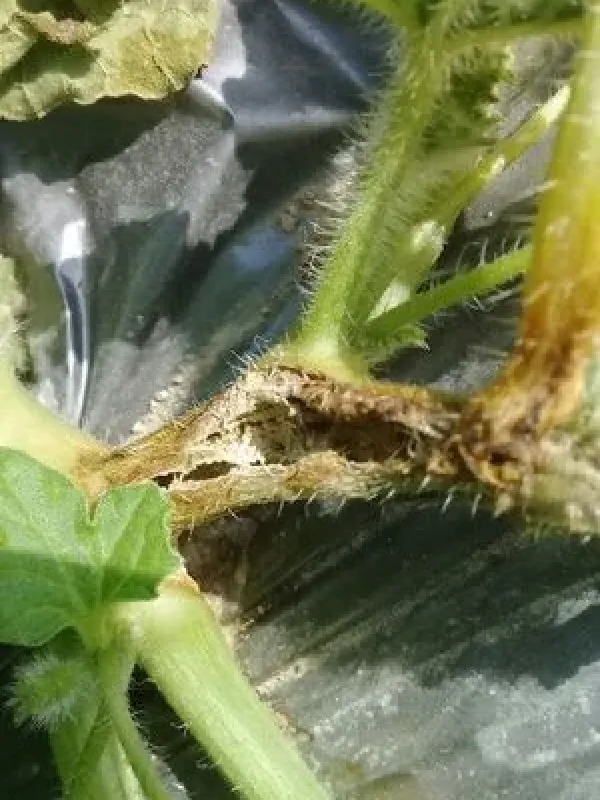
Description
Symptoms
Initial symptoms of stagonosporosis include the appearance of small, irregular spots on the leaves. These spots are often surrounded by a chlorotic halo and gradually enlarge into large necrotic patches.
As the disease progresses, the center of the necrotic spots may develop dark fruiting bodies called pycnidia. These tiny black dots are essential for identifying the pathogen during field scouting.
Lesions can also appear on stems and leaf sheaths, which can weaken the structural integrity of the plant. In severe cases, this leads to lodging and a significant reduction in the photosynthetic capacity of the canopy.
Leaves affected by the disease often show premature senescence and wither. If the infection reaches the flowers or fruit, it can cause malformation and a significant decrease in the final quality of the crop.
Distinguishing between stagonosporosis and other leaf spotting diseases requires careful observation of the lesion patterns and the presence of reproductive structures of the fungus.
Pathogen
The causative agent of the disease is the fungus Stagonosporopsis crystalliniformis. This pathogen is known for its ability to persist in the soil and on crop residues, forming the primary inoculum for future seasons.
The fungus reproduces via conidia, which are produced in pycnidia and spread by splashing rain and wind. Its survival mechanisms include the production of thick-walled spores that withstand temperature fluctuations and moisture stress.
Once the conidia land on a host plant, they germinate under suitable conditions and infect the epidermal tissues. The mycelium then colonizes the intercellular spaces, secreting enzymes that degrade plant cells and extract nutrients.
The pathogen demonstrates high genetic diversity, which allows it to overcome resistance in some plant cultivars. Its biological cycle is closely tied to the host plant’s growth stages, with infection typically peaking during active vegetation.
Microscopic analysis of the infected tissue typically reveals the presence of pycnidia, which serve as a diagnostic feature to identify the presence of the fungus in laboratory settings.
Conditions for development
The development of stagonosporosis is highly dependent on environmental conditions, particularly high humidity and moderate temperatures. Rain-splashed spores are the most common way for the disease to spread within a field.
Long periods of leaf wetness, such as those caused by dew or frequent rainfall, significantly accelerate the germination of conidia. This makes the disease more prevalent in regions with high precipitation during the growing season.
Dense planting patterns create a microclimate with stagnant air and high humidity, which serves as a catalyst for rapid disease expansion. Proper spacing is crucial to ensure adequate airflow and reduce surface moisture.
Cropping history is a major factor in the disease cycle, as the pathogen survives on debris from previous crops. Monocropping practices drastically increase the spore load in the field over time.
Weakened plants, whether due to poor nutrition or pest pressure, are more susceptible to infection. Maintaining optimal soil fertility is a key factor in keeping the crop’s natural defenses robust.
Why it matters
The main impact of stagonosporosis is the reduction of green leaf area, which limits the plant's ability to produce carbohydrates via photosynthesis. This directly results in lower biomass and yield.
Affected plants often show stunted growth and poor filling of grains or fruits. This leads to a lower marketable yield and may significantly reduce the nutritional value of the harvested produce.
The damage to plant tissues makes the crop more vulnerable to secondary infections by other opportunistic pathogens. This complex disease scenario can accelerate the deterioration of the crop during the final stages of maturity.
Economic losses are compounded by the costs of fungicide applications required to contain the spread. Furthermore, poor grain quality may lead to downgrading of the crop at the market, impacting farm profitability.
If left unmanaged, the pathogen can quickly spread throughout a field during favorable weather conditions, potentially resulting in epidemic levels of infection that can devastate crop yields.
Protection
Integrated pest management (IPM) is essential for controlling stagonosporosis. Crop rotation is the most effective cultural practice, as it breaks the life cycle of the fungus by eliminating its host.
Deep plowing and proper residue management help bury infected plant material, encouraging decomposition and reducing the survival rate of the fungal inoculum in the soil.
The application of fungicides remains the primary chemical intervention. It is recommended to use systemic products at the first sign of infection to effectively prevent the further spread of the disease.
Choosing resistant or tolerant crop varieties is a fundamental strategy. Growers should consult local variety trials to select cultivars that have demonstrated strong resistance to the pathogen in regional conditions.
Regular field scouting and monitoring are critical for the timely application of control measures. By identifying the disease early, farmers can protect the crop’s yield potential and minimize economic losses.
Discussion
No discussions yet — be the first.