
Sporodiniella umbellata
Sporodiniella umbellata
Description
Symptoms
The primary symptom of Sporodiniella umbellata infection is the development of a dense, white-to-grayish fuzzy mycelial mat on the surface of leaves, stems, or fruits. As the pathogen matures, this growth takes on a granular appearance due to mass sporangia formation.
Infected areas exhibit rapid tissue softening, often progressing into a wet, macerated rot. The epidermal layers frequently darken and lose their structural integrity, becoming mushy to the touch as the fungus destroys the cellular matrix.
Plants affected by this pathogen show systemic signs of distress, including wilting, chlorosis, and eventual necrosis. The obstruction of vascular tissues by fungal growth and associated toxins prevents the transport of water and nutrients.
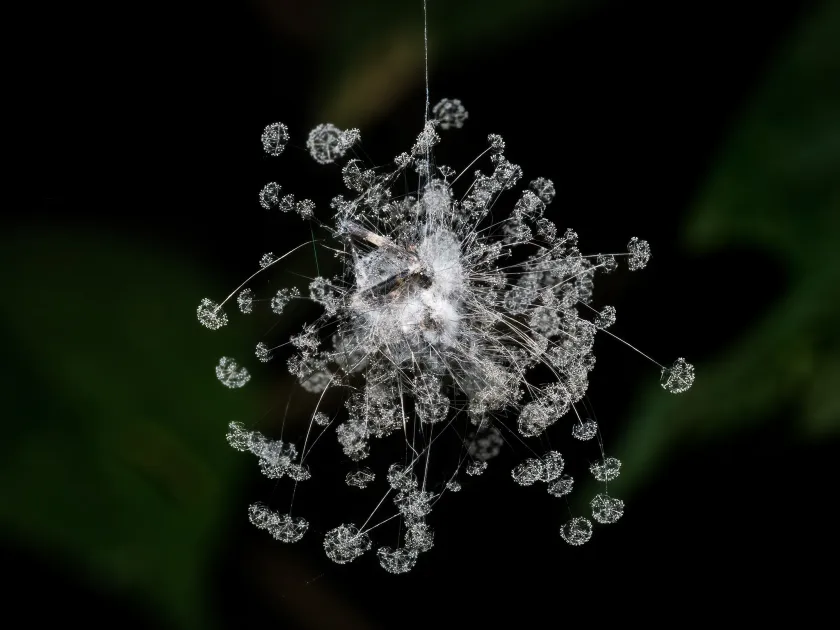
Visible clusters of umbrella-like sporangiophores are often observable with a hand lens, protruding from the necrotic zones. These structures are distinct diagnostic features that confirm the presence of the pathogen in the field or greenhouse.
The disease often manifests first at sites of mechanical injury or wounds caused by insect feeding. If humidity remains high, the infection can rapidly expand from these entry points to cover entire organs, leading to total tissue collapse.
Pathogen
The causal agent of this disease is the fungus Sporodiniella umbellata, which is classified within the order Mucorales. This organism is primarily recognized as an entomopathogenic fungus but is capable of infecting plant tissues under specific environmental conditions.
The fungus is characterized by the production of unique umbellate (umbrella-shaped) sporangiophores. This specific morphology allows for the efficient and rapid dispersal of spores into the surrounding atmosphere, facilitating quick infection spread.
As a facultative parasite, the fungus typically exploits the weakened or damaged parts of host plants. It secretes a suite of extracellular enzymes, such as cellulases and pectinases, which degrade plant cell walls, allowing the mycelium to penetrate and feed on the internal tissues.
The fungal mycelium spreads rapidly across the surface and into the intercellular spaces of the plant. This process leads to the collapse of host cells and the rapid degradation of plant structures, effectively turning healthy tissue into a nutrient source for the fungus.
Dissemination is predominantly achieved through airborne spores, though water splashes and insect vectors also play significant roles. The survival of the fungus is supported by its ability to remain dormant in hostile conditions until favorable factors return.
Conditions for development
The development of Sporodiniella umbellata is strictly regulated by environmental factors, with high relative humidity (above 85-90%) being the most critical prerequisite. Such moisture levels are essential for successful spore germination and mycelial expansion.
The fungus thrives within a temperature range of +22 to +28 degrees Celsius. These warm, humid conditions create an ideal environment that accelerates the metabolic activity of the fungus, leading to explosive disease outbreaks.
Poor ventilation within enclosed structures like greenhouses creates stagnant microclimates where humidity levels can remain persistently high. This lack of airflow significantly exacerbates the risk of rapid pathogen colonization.
Free water or heavy dew on the foliage provides the necessary medium for the spores to germinate. Cultural practices that leave the plant surface wet for extended periods, such as improper overhead irrigation, increase susceptibility to infection.
Plants stressed by poor nutrition, light deficiency, or prior insect attacks are disproportionately vulnerable. Any disruption to the plant's cuticle or defenses provides a entry point for the fungus to establish itself.
Why it matters
The primary agricultural impact of Sporodiniella umbellata is the potential for rapid and total crop loss. Due to the speed at which the fungus destroys tissue, entire harvests can be rendered unsalvageable in a matter of days.
In post-harvest storage conditions, the pathogen is highly destructive. Once introduced to a storage facility, the fungus spreads quickly between stored products, causing widespread decay and financial loss.
The infection significantly reduces the photosynthetic efficiency of the crop, directly stunting plant growth and reducing the quantity and quality of the final yield. Produce infected with the fungus is generally unacceptable for market sale.
The disease increases management costs substantially, as it necessitates intensive sanitation, increased frequency of fungicide applications, and the loss of labor time spent on removing and discarding infested debris.
Furthermore, the damage caused by the fungus creates secondary infection sites for other opportunistic bacteria and fungi, making the final diagnosis and treatment of the crop increasingly complex and less effective.
Protection
Effective management begins with strict environmental control in greenhouses, particularly by maintaining optimal humidity levels through ventilation and heating. Ensuring adequate airflow between plants is essential to prevent micro-environments conducive to fungal growth.
Integrated Pest Management (IPM) is vital to reduce insect populations that cause wounds on plant surfaces. By protecting the physical integrity of the plant, farmers can effectively close the entry points for the pathogen.
Strict sanitation protocols must be enforced, including the prompt removal and safe disposal of all infected plant materials. Contaminated debris should never be left on the soil surface or added to non-thermophilic compost heaps.
The strategic use of fungicides remains a key chemical control measure. Applications should be performed preventively or at the very first sight of symptoms, while adhering to rotational practices to mitigate the risk of resistance development.
- Utilizing moisture-wicking irrigation systems to avoid foliage wetness.
- Implementing appropriate crop spacing to facilitate drying and air circulation.
- Disinfecting all pruning tools and containers between uses.
- Monitoring crops frequently for early signs of necroses or fuzzy fungal growth.
Discussion
No discussions yet — be the first.