
Sporodiniella
Sporodiniella
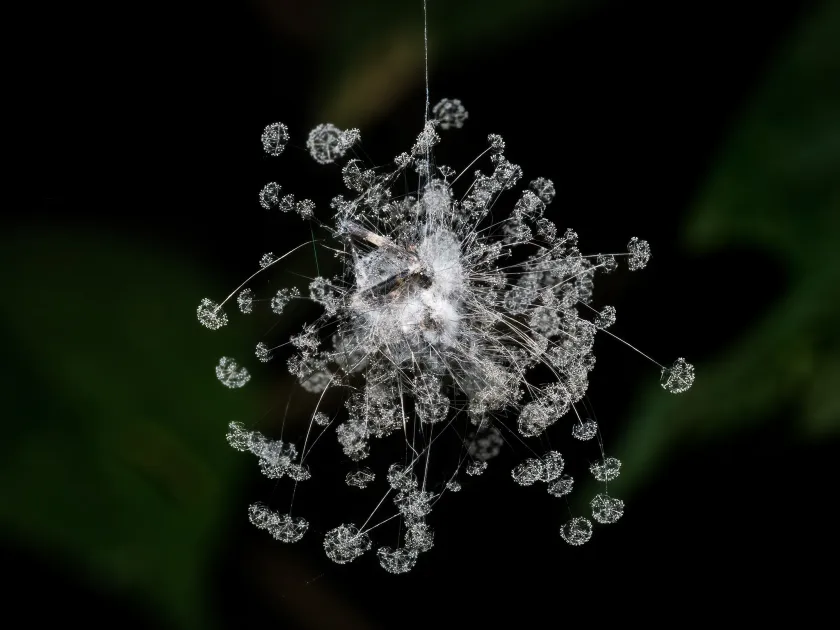
Description
Symptoms
The most visible symptom is the development of a dense, cotton-like fungal growth appearing on the surface of stems, leaves, or fruits. Initially white, this mycelial mat may darken as spores mature.
Infected plant tissues lose structural integrity, turning soft, watery, and eventually brown. This rapid decay process is typical for mucoralean fungi and leads to the total loss of the affected plant organ.
Close inspection using a hand lens often reveals the characteristic umbrella-shaped branching structure of the sporangiophores, which is the key diagnostic feature for identifying Sporodiniella umbellata.
Infected plants may show signs of wilting or collapse, as the pathogen impairs water and nutrient transport systems. If left untreated, the infection can quickly spread to healthy neighboring plants within the canopy.
Damage is most prevalent on parts of the plant that have been bruised or injured by insects, as these sites provide easy entry points for the fungal hyphae to establish a successful infection.
Pathogen
The causative agent of this disease is the microscopic fungus Sporodiniella umbellata, which belongs to the order Mucorales. This pathogen is characterized by rapid mycelial growth and a distinct umbrella-like branching of its sporangiophores.
It is a facultative parasite that can survive on decaying organic matter but easily switches to attacking living plant tissues under favorable conditions. Its biological versatility allows it to thrive in various agricultural environments.
The fungus propagates through sporangiospores, which are highly mobile and easily dispersed by air currents or splashing water. This efficient reproduction ensures rapid colonization of susceptible plant hosts.
At the microscopic level, the fungus penetrates plant tissues, secreting enzymes that degrade cell walls and facilitate nutrient uptake. This aggressive growth pattern leads to the rapid collapse of host tissues.
While Sporodiniella can act as an entomopathogen, in agricultural settings, it is primarily recognized as a destructive agent causing soft rots on damaged or stressed plant materials, particularly in greenhouse conditions.
Conditions for development
High relative humidity, typically exceeding 85%, is the primary environmental driver for Sporodiniella outbreaks. Stagnant air in greenhouses is a major factor that facilitates rapid fungal proliferation.
The fungus thrives in warm temperatures, with the optimal range being between +20°C and +26°C. Within this temperature window, the pathogen's life cycle is significantly accelerated, leading to severe outbreaks.
Surface moisture, such as dew or water droplets from overhead irrigation, is critical for spore germination. The fungus requires liquid water on the plant surface to effectively penetrate the epidermal layers.
Poor ventilation and high planting density create a microclimate that prevents foliage from drying out, keeping the surface wet for extended periods and creating a perfect environment for the pathogen.
Accumulation of organic debris within the cropping area serves as a significant inoculum source. Moist conditions allow the fungus to persist in the soil or on decaying matter, ready to reinfect new growth.
Why it matters
The disease causes significant economic losses by rendering produce unmarketable due to rapid rot and decay. Once a fruit or leaf is infected, it becomes a reservoir for spores, threatening the entire crop.
Severe infestations can lead to the death of entire plants, reducing overall crop yield. The rapid speed of decay means that growers have very little time to intervene once symptoms become visible.
Contamination of harvested produce can occur during storage and transportation if the conditions remain humid, potentially ruining an entire batch of crops after harvest and labor investment.
The difficulty in controlling established infections increases management costs, requiring expensive chemical interventions and stringent sanitation measures to prevent further spread.
Additionally, the fungus can impact the quality of the surrounding environment, as persistent inoculum can remain in the greenhouse structure, requiring deep cleaning and disinfection procedures between seasons.
Protection
Managing the greenhouse environment is the most critical control strategy. Maintaining optimal relative humidity and ensuring good air circulation are essential to prevent the fungus from thriving.
Sanitation practices such as the immediate removal and destruction of infected plant material are necessary to reduce the inoculum level in the field or greenhouse environment.
The use of preventative fungicides, specifically those registered for mucoralean diseases, can be effective when applied according to label instructions. Integrated pest management should be prioritized.
Switching to drip irrigation systems minimizes the risk of wetting the foliage, thereby denying the spores the moisture required for germination and host entry.
Maintaining a balanced nutritional program prevents excessive succulent growth that is more susceptible to fungal entry. Monitoring plant health and managing insect populations helps reduce the physical wounds that the fungus exploits.
Discussion
No discussions yet — be the first.