
Sorghum stem smut
Sporisorium culmiperdum
Description
Symptoms
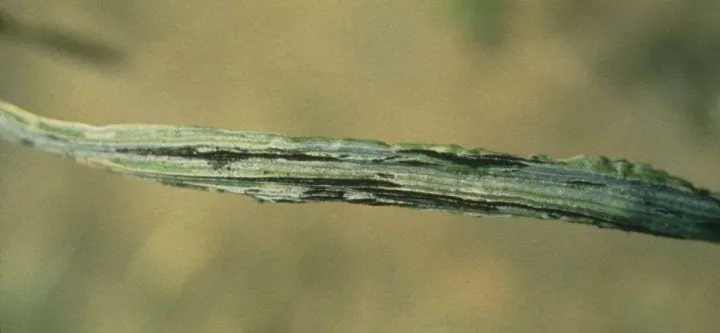
The primary symptom is the formation of abnormal, swollen tissues or galls on the stem and lateral branches. These structures are often filled with a dark, powdery mass of fungal teliospores that replace healthy plant tissue.
Infected sorghum plants often exhibit stunted growth, excessive tillering, and shortened internodes. The overall architecture of the plant is deformed, making them easily distinguishable from healthy plants in the field.
As the plant matures, the infected areas may rupture, releasing the dark spore mass into the environment. In severe cases, the panicle may be completely deformed or fail to emerge from the leaf sheath.
The disease is often difficult to detect in the early stages, as there are no obvious outward signs of infection until the plant begins to enter the reproductive phase and the fungus initiates sporulation.
Pathogen
The causal agent of this disease is the basidiomycete fungus Sporisorium culmiperdum. It acts as an obligate parasite, specializing in the infection of sorghum stems and lateral shoots, leading to systemic disruption of the plant's growth.
The fungus survives primarily in the form of teliospores, which remain viable in the soil or adhere to the surface of seeds. These spores act as the main source of primary inoculum when conditions become favorable for germination.
Infection occurs at the seedling stage, specifically during germination. The fungus mycelium penetrates the growing tissues of the seedling and remains systemic, moving upward as the sorghum plant develops, hidden within the stem tissues.
The pathogen interferes with the hormonal balance and metabolic processes of the host, ultimately redirecting the plant's energy towards the massive production of spores rather than grain development.
Environmental factors such as soil moisture and temperature are critical. The disease thrives in moderate temperatures that align with the early planting season of sorghum, facilitating rapid mycelial colonization of the young plant.
Why it matters
The economic impact of sorghum stem smut is significant, as it leads to substantial yield losses. Plants infected early in the season often fail to produce any viable grain, leading to total sterility in many cases.
The disease also affects the quality of fodder produced from infected plants. The presence of spore masses makes the material undesirable or even unsafe for livestock consumption due to potential toxicological effects.
The buildup of soil-borne inoculum is a major concern for farmers. Once a field is infested with Sporisorium culmiperdum, the risk of disease in subsequent sorghum crops increases significantly unless strict management practices are followed.
Protection
The most effective strategy is the use of high-quality, fungicide-treated seeds. Systemic seed dressings are essential to kill surface-borne spores and protect the seedling during the vulnerable emergence phase.
Crop rotation is crucial in managing the disease. Farmers should avoid planting sorghum in the same field for at least three to four years to allow for the natural degradation of the teliospores in the soil.
- Planting resistant or tolerant sorghum cultivars.
- Implementing deep tillage to bury crop residues and reduce surface inoculum.
- Ensuring optimal planting dates to avoid cold, wet soil conditions that promote infection.
- Monitoring fields regularly and removing infected plants to prevent further spore dispersal.
Discussion
No discussions yet — be the first.