
Sporisorium
Sporisorium
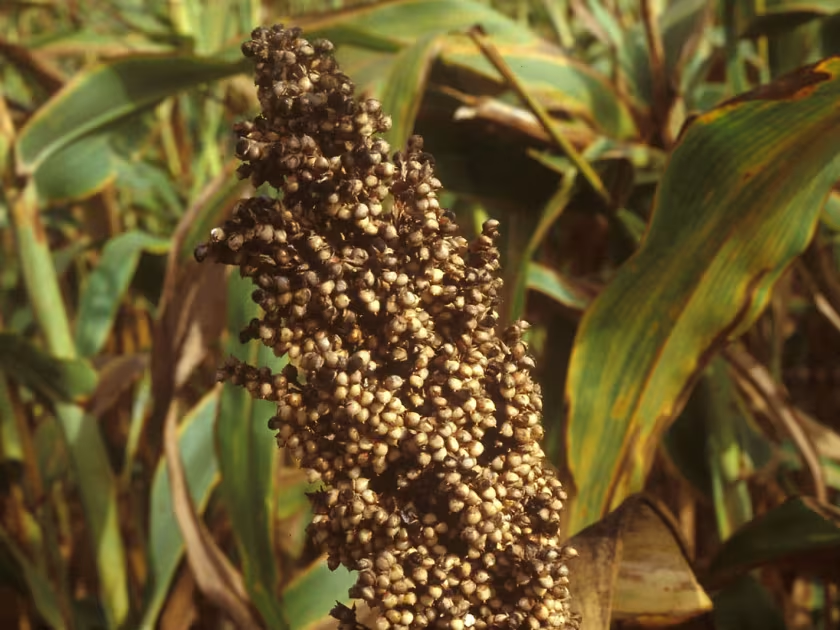
Description
Symptoms
The most characteristic sign of Sporisorium infection is the replacement of floral organs, such as the panicle or cob, with a black, powdery mass of teliospores.
Infected plants often display stunted growth, chlorosis, or abnormal tillering, reflecting the systemic stress caused by the fungal invasion.
Sori (spore-filled structures) may be covered by a thin membrane that eventually ruptures, spreading millions of spores via wind, rain, or harvesting equipment.
Vascular fibers often remain within the spore mass, acting as a structural frame known as a columella, which is a useful feature for morphological identification.
Infection often appears in clusters within a field, indicating localized spread from primary infected plants or infested soil patches.
Pathogen
Sporisorium is a genus of basidiomycetous fungi belonging to the order Ustilaginales. These pathogens are responsible for various types of smut diseases that primarily affect cereal crops and grasses.
The life cycle of the pathogen is centered around the production of teliospores, which survive in the soil or on seed surfaces. Infection typically occurs at the seedling stage, where the fungus penetrates the host tissues.
Once inside, the fungus grows systemically throughout the host plant, often without showing visible symptoms until the plant reaches the reproductive stage.
The fungus is highly specialized, and different species within the genus Sporisorium have adapted to specific host plants, such as sorghum, maize, or various wild grasses.
The pathogen utilizes the host's physiological resources to produce a massive amount of spores, which are released into the environment to initiate new infection cycles.
Conditions for development
Environmental conditions during seed germination are the primary determinants of disease severity. High soil moisture and moderate temperatures are critical for infection.
Optimal temperatures for spore germination and host colonization generally range from 20 to 25 degrees Celsius, matching the planting window of many host crops.
Delayed germination caused by deep planting or poor soil conditions extends the window of host susceptibility, increasing the likelihood of infection.
High levels of soil-borne inoculum from previous seasons create a significant disease pressure, especially in fields where monoculture practices are employed.
Humid weather during the early vegetative stage promotes the rapid movement of fungal hyphae from the seedling surface into the plant tissues.
Why it matters
The primary damage caused by Sporisorium is a substantial loss in grain yield, as the reproductive organs are destroyed and replaced by spores.
Infected crops suffer from reduced vigor and poor quality, and the presence of spores can render the grain unsuitable for animal feed due to potential mycotoxin contamination.
Systemic infection weakens the host plant, making it more susceptible to environmental stress and opportunistic secondary pathogens.
Large-scale outbreaks significantly reduce profitability and may force growers to abandon susceptible crops in favor of non-host species for several years.
The dispersal of large quantities of spores during harvest complicates operational procedures and requires thorough cleaning of machinery to prevent cross-contamination.
Protection
The most effective strategy for managing Sporisorium is the application of systemic fungicides as seed treatments before planting to neutralize the inoculum.
Implementing crop rotation is essential to reduce the concentration of teliospores in the soil, effectively breaking the pathogen's life cycle.
Cultivation of genetically resistant or tolerant varieties is the cornerstone of integrated disease management for smut-affected regions.
- Standardizing planting depth to ensure rapid seedling emergence.
- Using only certified, disease-free seed lots.
- Deep plowing to bury infested plant debris and reduce surface inoculum.
- Effective weed control to eliminate alternative wild-grass hosts.
Since foliar fungicides are largely ineffective against systemic smut infections, preventive agricultural practices remain the most critical component of control.
Discussion
No discussions yet — be the first.