
Spilonema
Spilonema
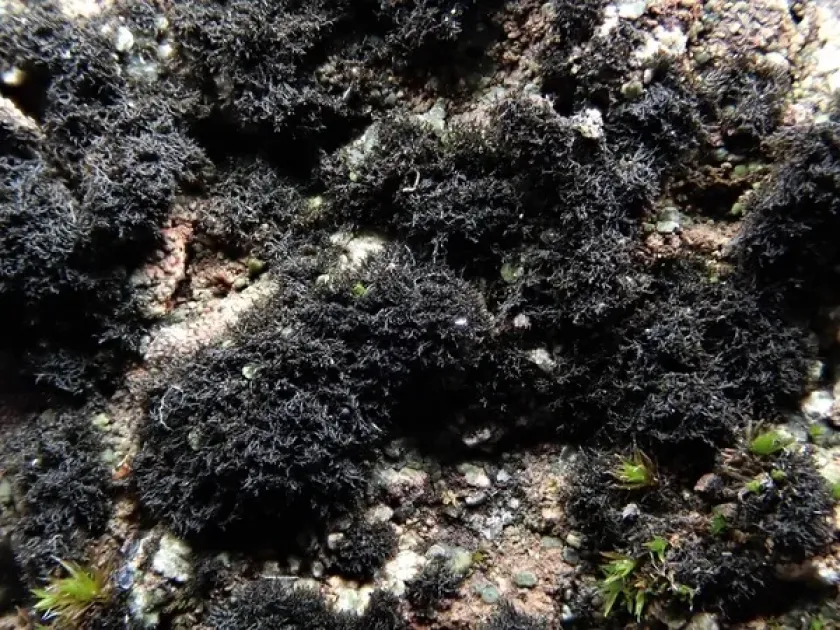
Description
Pathogen
Spilonema is a genus of lichenized fungi belonging to the Collemataceae family. In agronomic terms, it is considered a specialized epiphyte that can develop on trees, shrubs, and sometimes on moist soil surfaces, affecting the ecosystem balance.
The pathogen consists of a fungal mycelium associated with cyanobacteria, forming a dense structure that attaches to the host. Its growth is relatively slow, but it possesses high resilience to adverse environmental factors.
The biological strategy of Spilonema involves the gradual colonization of the host's surface, using available moisture and atmospheric substances. It does not penetrate deep into living tissues initially but disrupts the outer protective layers.
Reproduction occurs primarily through fragmentation of the thallus, allowing the fungus to spread across the host plant and onto neighboring specimens through wind or water drops.
Given its symbiotic nature, Spilonema is difficult to eradicate completely, as it thrives in environments that are often essential for other beneficial organisms in the garden or forest ecosystem.
Conditions for development
High humidity and consistent moisture levels are the most critical factors for the rapid expansion of Spilonema colonies. Shaded areas with poor air circulation are preferred by the fungus.
Low light intensity promotes the growth of the lichen, as it is less prone to damage from UV rays in such environments compared to high-light exposure areas.
Temperature fluctuations between 5°C and 20°C facilitate the active metabolic phase of the fungus. Extended periods of autumn or spring dampness are peak seasons for its expansion.
Lack of proper pruning and maintenance of tree bark creates an ideal substrate for the fungus, as rough and aging surfaces provide better anchorage for the thallus.
Acidic environments on the surface of the plant bark are particularly favorable for Spilonema colonization, as they minimize competition from other epiphytic organisms that prefer neutral pH levels.
Why it matters
The primary harm is the physical obstruction of gas exchange in the host plant. By covering the bark or leaf surface, the fungus impairs respiration and slows down metabolic processes.
Spilonema acts as a reservoir for excess moisture, which leads to the softening of bark tissues and increases the risk of colonization by secondary harmful microorganisms.
General plant vitality is reduced due to the constant nutrient and water depletion, leading to inhibited growth, yellowing of foliage, and reduced yields in fruit trees.
The presence of dense colonies negatively impacts the plant's natural defense mechanisms, making it more susceptible to environmental stress such as drought or frost.
- Reduced photosynthetic capacity
- Mechanical damage to outer bark layers
- Increased risk of rot development
- Diminished overall plant aesthetics
Protection
The most effective strategy is to improve airflow within the canopy through strategic pruning. Reducing canopy density decreases the localized humidity that supports fungal growth.
Mechanical removal, such as scrubbing the bark with non-abrasive tools during damp conditions, can significantly reduce the population of Spilonema without damaging the host.
Chemical control involving copper-based fungicides is recommended for severe infestations, as these substances are effective at destroying the fungal structure of the lichen.
Balanced plant nutrition and proper soil management improve the host's vigor, allowing it to better tolerate and resist colonization by epiphytic fungi like Spilonema.
Periodic inspections of the orchard or garden allow for early detection, ensuring that smaller colonies can be removed manually before they spread across the entire plant.
Discussion
No discussions yet — be the first.