
Sphinctrinaceae
Sphinctrinaceae
Description
Symptoms
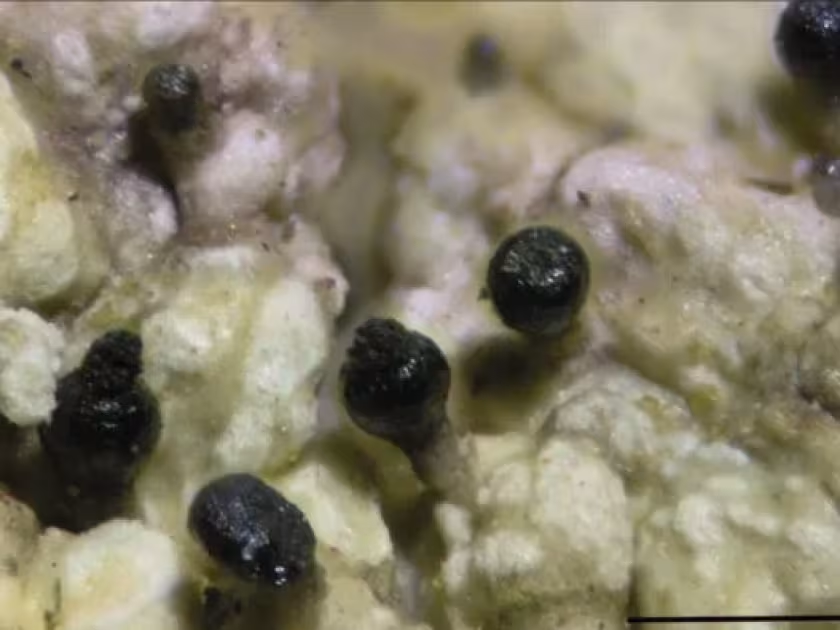
The primary external symptom of infection is the emergence of small, dark, or black dots on the lichen surface, representing the apothecia of the fungus. These structures often resemble tiny pin-like or club-shaped projections above the thallus.
In areas where the pathogen's hyphae penetrate, the lichen tissue often loses its natural pigmentation, appearing bleached or chlorotic. Affected patches become brittle and slowly decay, leading to the gradual disintegration of the lichen colony.
Visually, the disease presents as "sooty" or black spots on the thallus. Over time, these infected zones may expand, covering significant portions of the surface where the lichen was once healthy and vibrant.
Microscopic inspection reveals fungal mycelium penetrating the host tissues, destroying the algal layer and the structural components of the lichen. This damage effectively halts photosynthesis in the infected areas.
In advanced stages, the lichen thallus dies off completely, leading to the shedding of decayed fragments. This leaves behind bare or damaged patches on the substrate, such as tree bark or stone surfaces, where the colony once resided.
Pathogen
Sphinctrinaceae is a family of fungi classified as lichenicolous or lichenized organisms. Within the scope of agronomy and environmental science, these fungi act as specialized pathogens that colonize and parasitize lichens, which often serve as vital bio-indicators in agricultural and forest ecosystems.
The causative agents are microscopic fungi that form fruiting bodies, known as apothecia, which develop directly on the thallus of host lichens. These fungi derive nutrients from the host tissues, progressively breaking down their structure and hindering their biological functions.
Biologically, these fungi belong to the class Lecanoromycetes. Their life cycle is deeply intertwined with the health and population density of the host lichens they parasitize, making them significant subjects for studying ecosystem health and biodiversity.
Reproduction occurs via spores, which are disseminated by air currents. The high adaptability of these spores allows them to infiltrate the smallest fissures of the lichen thallus, where colonization and subsequent infection begin.
Taxonomy of this family is subject to ongoing molecular research, which helps agronomists and mycologists better identify specific pathogen strains across various climatic zones where host lichens thrive.
Conditions for development
The development of Sphinctrinaceae fungi is favored by high humidity and moderate temperatures. Lichens growing in shaded or damp micro-habitats are significantly more susceptible to infection by these parasitic organisms.
Environmental imbalances, such as shifts in atmospheric pollution levels or changes in precipitation chemistry, can increase the vulnerability of host lichens. Weakened lichens become easier targets for colonization by these fungi.
Extended periods of rain and fog promote rapid spore germination and spread. Infection intensity typically spikes during seasons characterized by high atmospheric moisture, which provides optimal conditions for fungal activity.
The density of lichen populations is also a critical factor; closer proximity between individual colonies allows for faster transmission of the pathogen from one host to another across the substrate.
While their development is limited in open agricultural fields, in orchards or forest shelterbelts where lichens densely cover tree bark, these fungi can spread vigorously if the microclimate remains conducive to their lifecycle.
Why it matters
The primary harm caused by Sphinctrinaceae is the degradation of lichen cover. Although lichens are not direct agricultural crops, their presence is an essential bio-indicator for air quality and general environmental health in farming regions.
Lichens act as natural filters and stabilizers. The destruction of these colonies by pathogens hinders environmental monitoring, which is crucial for precision agriculture and the sustainable management of rural landscapes.
Massive colonization of lichens on fruit trees can create micro-environments that may harbor other secondary fungal infections, as damaged tissues lose their inherent protective barriers against opportunistic pathogens.
The biological value of epiphytic communities is reduced, negatively impacting beneficial insects that use lichens as shelter or a food source, thereby indirectly affecting the overall biodiversity within an orchard or garden.
Economic impact is generally indirect, relating to the loss of natural ecosystem self-regulation and the deterioration of the sanitary condition of tree stands where these pathogens become established.
Protection
There are no specific fungicides dedicated to controlling Sphinctrinaceae, as they are not typically considered direct threats to commercial crop yields. Management focuses on maintaining the overall health of trees in the orchard or field.
Preventative measures include good horticultural practices that ensure proper crown aeration and light penetration. Regular sanitary pruning helps reduce humidity within the tree canopy, limiting the conditions favored by the fungi.
If cleaning bark from excessive lichen growth becomes necessary, mechanical removal followed by treatment with copper-based solutions can be applied, as these agents suppress the development of various fungal pathogens.
Regular monitoring of tree health is a key defensive element. Early detection of infection hotspots allows for localized management, such as removing affected branches or treating specific bark areas to prevent spread.
An environmentally friendly approach involves optimizing water management to avoid excessive humidity in the orchard, which makes the environment less suitable for the active reproduction of lichenicolous fungi.
Discussion
No discussions yet — be the first.