
Septoria
Septoriella
Description
Symptoms
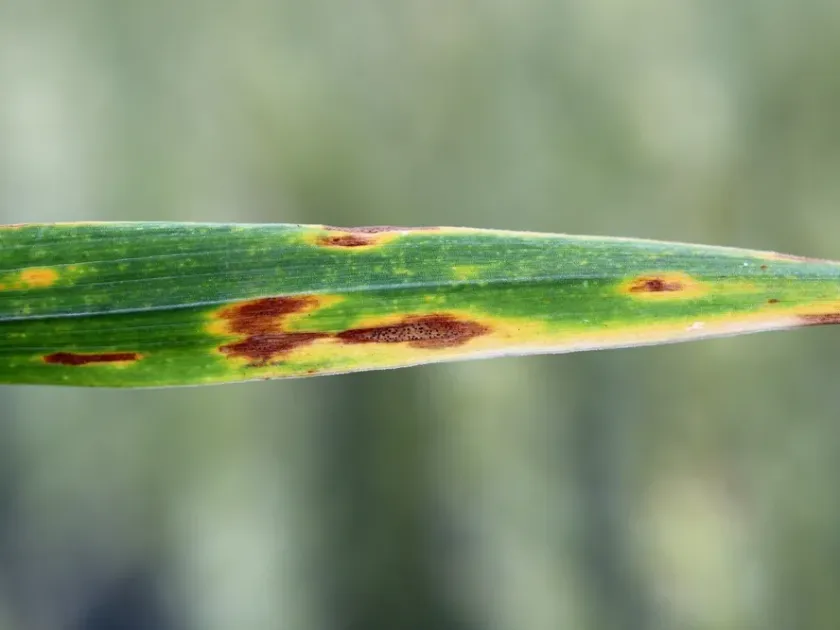
Initial symptoms of Septoria usually appear as small, chlorotic spots on the lower leaves. As the disease progresses, these lesions expand and become necrotic, often taking on a dark brown or tan color.
A definitive diagnostic feature of Septoria is the presence of pycnidia, which appear as tiny, dark, pepper-like dots embedded within the dead tissue of the lesions.
In severe infections, the lesions may coalesce, covering large parts of the leaf surface. This causes the leaves to yellow, wither, and eventually die prematurely.
Septoria can also infect stems and spikes. On stems, it causes dark brown lesions that weaken the structure, while spike infection results in discolored, shriveled glumes and grains.
- Light-colored spots with darker borders on leaves.
- Tiny black pycnidia visible within lesions.
- Premature yellowing and death of the lower canopy.
- Weakened, discolored stems and distorted ears.
Pathogen
Septoria refers to a large genus of fungi that cause leaf spot diseases in a wide variety of plants. The most economically significant species include Septoria tritici and Septoria nodorum, which infect cereal crops.
The disease is caused by fungi that survive as mycelium and pycnidia on crop debris and alternative hosts. These structures serve as the primary inoculum for the next growing season under suitable environmental conditions.
Pycnidiospores are released from pycnidia during rainfall and are splashed onto the lower leaves of the host plants. Once infection is established, the fungus produces new generations of spores, allowing the disease to spread rapidly.
These pathogens possess a complex life cycle characterized by high genetic variability, which makes the emergence of fungicide-resistant strains a significant challenge in modern agriculture.
The fungus invades the leaf tissue, disrupting physiological processes. It effectively kills the green cells required for photosynthesis, which is critical for biomass accumulation and grain development.
Conditions for development
Septoria development is highly dependent on moisture. Prolonged periods of leaf wetness and high humidity are essential for spore germination and infection establishment.
The fungus thrives in cool to moderate temperatures, typically ranging from 15°C to 25°C. These conditions are commonly observed during the spring and early summer growing periods.
Dense crop stands inhibit airflow and maintain high humidity within the canopy, creating an ideal microclimate for the rapid spread of the pathogen from leaf to leaf.
Frequent rainfall events play a crucial role in disseminating the spores throughout the field. Without rain-splash, the upward progression of the infection is significantly restricted.
The presence of crop residue from the previous season is a primary factor in the severity of early-season infection. Minimal tillage practices can lead to higher inoculum loads in subsequent years.
Why it matters
The primary economic impact of Septoria is the reduction of grain yield. By reducing the green leaf area, the disease limits the plant's ability to fill the grain, resulting in lower grain weight.
In addition to yield loss, grain quality is often degraded. Infected crops show reduced protein content and lower test weights, which can lead to significant financial penalties for farmers.
In wheat, severe stem infection can cause lodging, making harvesting difficult and causing further yield loss. Furthermore, the cost of frequent fungicide applications significantly increases the overall production budget.
The disease stress can also make plants more susceptible to other pests and secondary infections, leading to a synergistic negative effect on the overall crop health and performance.
On horticultural crops like tomatoes, Septoria infection can lead to total crop failure if left unmanaged, as the fruit quality and plant vigor are severely compromised by the infection.
Protection
Effective management begins with strict crop rotation. Avoiding host crops for at least two years allows the soil-borne inoculum and infected residue to decay, breaking the disease cycle.
Deep plowing or burying crop residue is a standard practice to accelerate the decomposition of infected tissues and prevent the pycnidia from releasing spores in the spring.
Fungicide application is the most effective therapeutic intervention. Using a mix of systemic fungicides, such as triazoles and strobilurins, provides both preventative and curative control against Septoria.
Genetic resistance is the most sustainable approach. Breeding programs continue to release commercial cultivars with improved tolerance to Septoria, reducing the need for chemical inputs.
Integrated management, including balanced nitrogen fertilization and proper row spacing, helps to create a healthier crop canopy that is less conducive to fungal outbreaks.
Discussion
No discussions yet — be the first.