
Septoria leaf spot of skullcap
Septoria scutellariae
Description
Symptoms
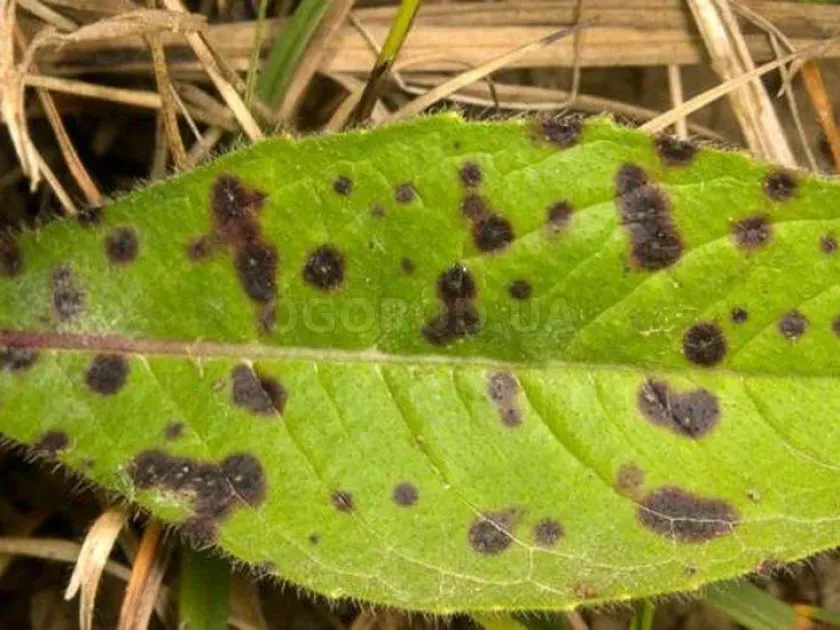
The first signs of Septoria leaf spot appear as small circular or angular spots on the lower foliage. These lesions initially start as light brown, then deepen to dark brown or black.
A diagnostic feature of this disease is the presence of a lighter-colored center within the lesion, often surrounded by a dark brown necrotic border, and sometimes a yellowish halo.
The most reliable sign of Septoria scutellariae infection is the appearance of tiny, black pepper-like dots in the center of the spots. These are the pycnidia, where the fungal spores are produced.
As the infection advances, individual spots may merge, causing large patches of dead tissue. This results in the leaves yellowing (chlorosis) and eventually becoming necrotic and dropping off prematurely.
If the infection is severe, the entire foliage may look blighted, starting from the base of the plant and moving upwards, which significantly weakens the plant's vigor.
Pathogen
The disease is caused by the fungus Septoria scutellariae, which is an ascomycete pathogen. It is highly specific to the Scutellaria genus, targeting the foliage and occasionally stems of these plants.
The pathogen overwinters as pycnidia (small fruiting bodies) embedded in dead plant tissue. These structures serve as the primary inoculum for the next growing season, remaining viable in debris for extended periods.
During the growing season, spores (conidia) are released from these pycnidia when wet conditions prevail. Water acts as the main vehicle for dissemination, splashing spores onto healthy leaves through rainfall or irrigation.
Once the conidia land on a leaf surface, they germinate and penetrate the tissue, typically through stomata or wounds. The fungus colonizes the intercellular space, leading to the formation of characteristic necrotic spots.
Continuous cycles of infection can occur throughout the summer, with new pycnidia developing within the necrotic lesions to provide secondary inoculum, fueling rapid spread across the plantation.
Conditions for development
Fungal development is heavily dependent on moisture. Prolonged periods of rainfall, high humidity, and poor airflow are the primary catalysts for disease outbreaks.
Temperatures ranging from 18 to 25 degrees Celsius are optimal for the growth of Septoria scutellariae. Within this range, the incubation period is rapid, allowing the disease to propagate quickly.
Densely planted fields or poor plant spacing prevent foliage from drying quickly after rain or dew, maintaining a moist microclimate that facilitates spore germination and fungal entry.
Poor sanitation within the garden, such as leaving infected leaves on the ground, provides a constant source of inoculum that can reinfect the plants when conditions are favorable.
Plants under physiological stress, due to nutrient deficiencies or improper watering, may show higher susceptibility to infection and a faster progression of the disease.
Why it matters
The primary impact of this disease is the reduction of the plant's photosynthetic capacity. By destroying leaf tissue, the fungus reduces the plant's ability to produce necessary energy for growth.
Significant defoliation leads to stunted plant growth and reduced overall biomass. For medicinal crops like skullcap, this represents a major loss in quantity and quality of harvestable raw material.
Infected plants exhibit reduced hardiness, making them less capable of surviving the winter or resisting secondary infections by other pathogens or pests during the growing season.
The accumulation of essential plant metabolites is hindered by the metabolic stress caused by the necrotic lesions, lowering the pharmaceutical potency of the harvested herb.
If left unmanaged, Septoria leaf spot can lead to total crop failure during wet seasons, making it a critical concern for commercial and hobbyist growers alike.
Protection
Crop rotation is the most effective cultural practice to manage the disease. Avoid planting skullcap in fields where the disease was previously present for at least three seasons.
Sanitation is vital; collect and destroy all infected plant debris at the end of the season. Deep tilling helps bury remaining spores, accelerating their decomposition by soil microorganisms.
Provide adequate spacing between plants to improve airflow and facilitate quicker drying of leaves after rain. This practice disrupts the moisture-dependent life cycle of the pathogen.
Use fungicides such as those containing copper or systemic anti-fungal agents to protect the crop when weather forecasts predict extended periods of wet conditions.
- Scout fields regularly for early symptoms.
- Use certified healthy seeds or planting stock.
- Optimize fertilization to promote general plant health and disease resistance.
Discussion
No discussions yet — be the first.