
Septoria spot of citrus
Septoria citri
Description
Symptoms
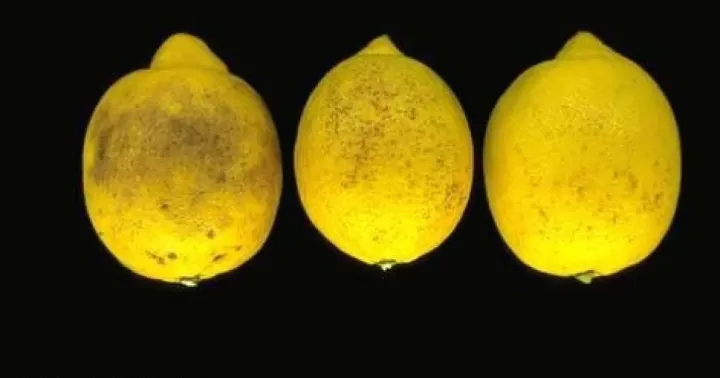
The initial signs of the disease appear as small, circular, or irregular spots on the fruit surface. Over time, these spots darken, turning brown or black, with a sunken center.
The affected fruit rind often becomes rough and leathery. Tiny, black, pepper-like dots known as pycnidia emerge within the lesions; these serve as a definitive diagnostic feature of Septoria citri.
On leaves, the disease manifests as chlorotic zones that eventually necrose. This leaf damage can lead to premature yellowing and leaf drop, reducing the tree's overall photosynthetic capacity.
Branches may also develop lesions or dead patches of bark, which interfere with the flow of water and nutrients, potentially causing the dieback of shoots or larger limbs.
As the infection progresses, lesions may coalesce, creating large necrotic areas that ruin the aesthetic and commercial quality of the citrus fruits.
Pathogen
The causal agent of this disease is the fungus Septoria citri, which belongs to the class of deuteromycetes. It is a specialized pathogen that primarily targets the rinds of citrus fruits and the leaves of the trees.
The fungal life cycle involves the formation of pycnidia, which produce conidia. These spores are the primary source of infection and spread the disease to healthy plant tissues throughout the growing season.
The pathogen survives in dead leaves, fallen fruit, and diseased twigs. Spore dispersal is facilitated by splashing rain, wind, and contaminated pruning tools used during orchard maintenance.
The disease is characterized as a pycnidial spot. Once the fungus penetrates the plant tissue, it disrupts metabolic processes and damages the epidermal layers of the fruit and foliage.
The biology of Septoria citri is closely linked to the vigor of the host plant, often manifesting as an opportunistic infection when the citrus trees are stressed by environmental or physiological factors.
Conditions for development
High humidity and mild temperatures are the primary requirements for the development of Septoria spot. Extended periods of rainfall during the fruit-maturing phase are particularly conducive to disease spread.
Orchards with dense planting patterns experience poor airflow within the canopy, which allows moisture to persist on the foliage and fruit, providing ideal conditions for spore germination.
The fungus thrives during cool to moderate weather cycles, making spring and autumn critical seasons for monitoring the development of the pathogen.
Trees that are poorly nourished or suffer from environmental stress are significantly more susceptible to infection, as their natural defense mechanisms are weakened.
Inadequate orchard management, such as improper irrigation practices or failure to prune for better ventilation, greatly increases the risk of an epidemic.
Why it matters
The primary damage caused by Septoria spot is the devaluation of the citrus crop. Affected fruit loses its marketability and shelf life, often decaying before it can reach the consumer.
Severe leaf damage reduces the plant's ability to produce energy through photosynthesis, which leads to lower fruit sugar content and reduced overall tree growth.
The long-term impact on the tree involves gradual exhaustion, as constant tissue repair and loss of foliage drain the plant’s energy reserves over successive seasons.
For commercial growers, this disease translates into substantial financial losses due to high cull rates during the packing process and the increased cost of fungicide applications.
Furthermore, untreated trees become more vulnerable to secondary pests and other pathogens, potentially leading to the decline and loss of the orchard's productivity.
Protection
An effective management strategy relies on cultural practices that minimize humidity within the tree canopy. Regular pruning is essential to improve light penetration and air circulation.
Sanitation is a critical step: growers must remove and destroy all fallen leaves and infected fruit from the orchard floor, as these act as primary sources of the fungus.
Chemical control involves the application of copper-based fungicides at the onset of the growing season or after heavy rainfall events to protect fruit and foliage from new infections.
Proper fertilization, especially with balanced potassium and phosphorus levels, helps strengthen plant tissue and improves the tree's natural resistance to fungal invasion.
- Monitor orchard health consistently to detect early symptoms.
- Maintain proper tree spacing to ensure adequate ventilation.
- Use certified disease-free nursery stock for new plantings.
- Sterilize pruning equipment to prevent cross-contamination.
- Follow a preventative fungicide spray schedule as recommended.
Discussion
No discussions yet — be the first.