
Mahonia leaf spot
Selenophoma mahoniae
Description
Symptoms
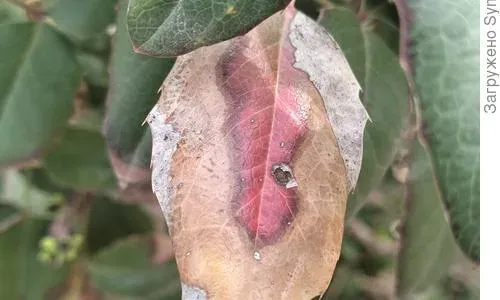
The initial symptoms are characterized by small, reddish-brown spots that appear on the leaves. As the infection progresses, these spots expand, often developing a distinct dark-colored border that delineates the necrotic area from the healthy leaf tissue.
A diagnostic feature of this disease is the development of numerous minute, black pycnidia (fruiting bodies) within the center of the spots. These are visible as tiny specks and are crucial for definitive identification of the fungal pathogen.
In addition to foliage, the fungus can infect young stems, causing sunken, discolored lesions. These lesions may girdle the stem, leading to dieback of the affected branches and reducing the overall vitality of the shrub.
Under humid conditions, a whitish or greyish spore mass may emerge from the pycnidia, further indicating the active stage of the fungal colony on the leaf surface.
Advanced stages of the disease lead to chlorosis, premature yellowing, and heavy leaf abscission. This thinning of the canopy not only ruins the plant's ornamental appeal but also stresses the entire organism.
Pathogen
The disease is caused by the fungus Selenophoma mahoniae, a common pathogen belonging to the Coelomycetes group. This fungus specifically targets Mahonia species, causing significant aesthetic and physiological damage to plants in nursery and landscape settings.
The fungus overwinters in plant debris, specifically within pycnidia formed on dead leaves and stems. With the arrival of warmer spring temperatures and sufficient moisture, these pycnidia release spores (conidia) that initiate the primary infection cycle of the season.
Dissemination of the pathogen primarily occurs through rain splashing and wind, allowing spores to travel to healthy foliage or new vegetative shoots. Once they land on the plant surface, the spores germinate and penetrate the host tissues.
Selenophoma mahoniae is known for its ability to produce multiple cycles of infection during a single growing season. This polycyclic nature allows the disease to spread rapidly across dense plantings if the environmental conditions remain favorable.
The biology of this fungus is strictly dependent on the host plant, making Mahonia the primary reservoir for the pathogen. Understanding its life cycle is essential for timing fungicide applications effectively.
Conditions for development
The development of Selenophoma mahoniae is heavily promoted by high relative humidity and prolonged periods of leaf wetness. Spring and autumn seasons with frequent rainfall are peak times for disease outbreaks.
Temperature plays a key role, with the fungus showing optimal growth and spore germination at moderate temperatures, typically between 15°C and 22°C (59°F–72°F). High humidity combined with these temperatures accelerates symptom development.
Poor air circulation, often caused by overly dense planting or lack of proper pruning, creates stagnant microclimates. These pockets of humidity are perfect breeding grounds for the fungus to thrive and spread.
Plants under environmental stress—such as those suffering from poor soil quality or drought—are significantly more susceptible to infection. Stress weakens the host's natural defenses, allowing the fungus to colonize tissues more easily.
Neglecting basic hygiene practices, such as allowing leaf litter to accumulate under the shrubs, ensures that the fungal spores remain present in the immediate environment to re-infect the plant in the following season.
Why it matters
The primary harm caused by Mahonia leaf spot is the severe degradation of the shrub's aesthetic value. Since Mahonia is widely grown for its glossy, evergreen foliage, the presence of necrotic spots significantly detracts from its use in landscaping.
Infection interferes with photosynthesis, which limits the energy production needed for growth and development. This leads to stunted growth, reduced annual yields of new leaves, and an overall decline in the plant's vigor.
For nursery professionals, this disease poses an economic threat. Infected stock is often considered unsaleable, leading to substantial losses and the potential for the disease to spread to other healthy plant materials in the nursery.
Chronic infection results in the progressive dieback of branches. Over time, this forces the plant to undergo intensive pruning to remove dead wood, which compromises its natural structural form and growth habits.
While the disease rarely kills mature plants outright, it significantly lowers their resilience to secondary stressors, such as harsh winter temperatures or drought, ultimately shortening the plant's lifespan.
Protection
The cornerstone of management is sanitation. It is essential to collect and destroy all fallen leaves and infected plant parts during the autumn and early spring to remove the source of inoculum from the garden.
Fungicide applications are highly effective when applied preventively. Copper-based sprays or systemic fungicides like triazoles are recommended to protect new growth and prevent the germination of spores during high-risk periods.
Proper canopy management is vital. Pruning should be conducted to open up the plant, which increases air movement and reduces the duration of leaf wetness, effectively hindering the fungus's ability to infect.
Tools used for pruning must be disinfected after use on an infected plant to prevent the mechanical transmission of fungal spores. A solution of bleach or 70% alcohol is sufficient for this purpose.
Maintaining optimal plant health through balanced fertilization and proper irrigation (avoiding overhead watering) will bolster the plant's immunity, making it less prone to infections and more capable of recovering from disease outbreaks.
Discussion
No discussions yet — be the first.