
Seiridium canker
Seiridium
Description
Symptoms
Initial symptoms include the yellowing and subsequent browning of specific branches, which gradually leads to the death of the foliage.
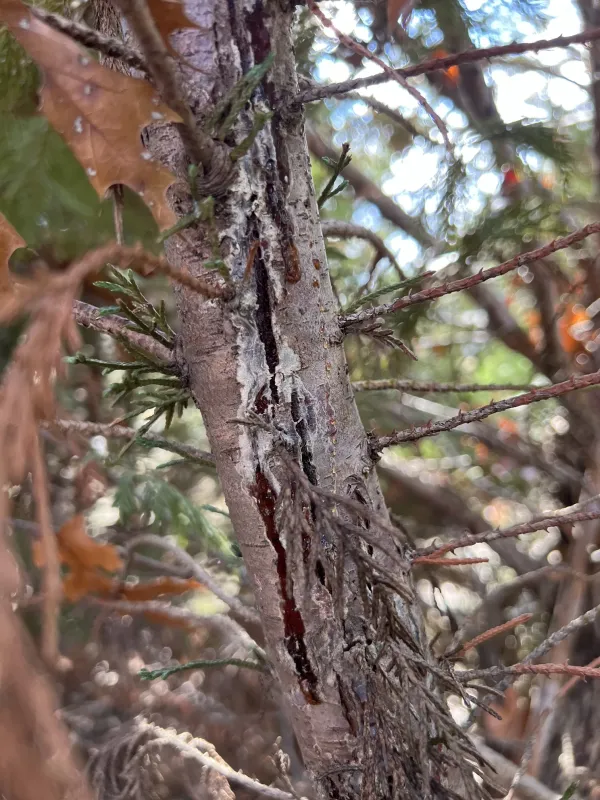
Distinctive sunken lesions or cankers appear on the bark, which can eventually girdle the branch, cutting off the flow of nutrients and water.
Resinosis (excessive resin flow) is a common defensive response from the tree, resulting in sticky patches on the bark near the site of infection.
Under humid conditions, small black pycnidia erupt through the bark, releasing spores that may be visible as thin, curled tendrils.
If left unchecked, the infection spreads to the main stem or trunk, eventually leading to the decline and death of the entire tree.
Pathogen
The disease is caused by fungal pathogens of the genus Seiridium, with Seiridium cardinale being the most prevalent and damaging species.
This pathogen belongs to the order Melanconiales and primarily attacks the vascular tissues and bark of various coniferous species.
Infection typically occurs through open wounds, pruning cuts, or frost cracks, where the fungus begins to colonize the cambium layer.
The fungus produces fruiting bodies known as pycnidia, which appear as tiny, black, pimple-like structures scattered across the diseased bark.
Spores are disseminated by wind-blown rain, overhead irrigation, and contaminated garden tools, facilitating rapid spread within a planting site.
Conditions for development
Warm, wet, and humid environmental conditions provide the optimal environment for the germination of fungal spores and further colonization.
Stress factors such as drought, improper watering, poor soil drainage, or nutrient deficiencies increase the plant's susceptibility to this pathogen.
Overcrowded plantings with poor air circulation create a microclimate that allows the fungus to thrive and spread more efficiently between trees.
Inadequate sanitation practices, such as failing to disinfect pruning shears between cuts, allow the pathogen to migrate easily to healthy branches.
Physical injuries to the tree, whether from mechanical maintenance or environmental stresses, serve as primary entry points for the fungal infection.
Why it matters
Seiridium canker is highly destructive to members of the Cupressaceae family, including cypress, arborvitae (Thuja), juniper, and cedar trees.
The disease significantly degrades the aesthetic value of ornamental conifers, often resulting in unsightly dead sections and irregular growth.
In nursery settings, this disease can cause massive losses of planting stock, creating significant economic challenges for growers.
Weakened trees become susceptible to secondary infestations by wood-boring insects, further accelerating the demise of the host plant.
Landscape management costs increase due to the need for continuous monitoring, pruning, and chemical applications to control the infection.
Protection
The most effective management strategy involves rigorous sanitation, which includes pruning out all infected branches deep into healthy tissue.
All pruning tools must be thoroughly disinfected using a strong alcohol or bleach solution between every single cut to prevent cross-contamination.
Preventive sprays with copper-based fungicides can help inhibit spore germination on the bark surfaces during vulnerable periods.
Promoting overall plant vigor through proper irrigation, fertilization, and site selection is critical to boosting the plant's natural immunity.
- Remove and destroy all infected plant material.
- Clean tools after every cut during maintenance.
- Monitor trees regularly for signs of resin or cankers.
Discussion
No discussions yet — be the first.