
Seimatosporium canker
Seimatosporium massarina
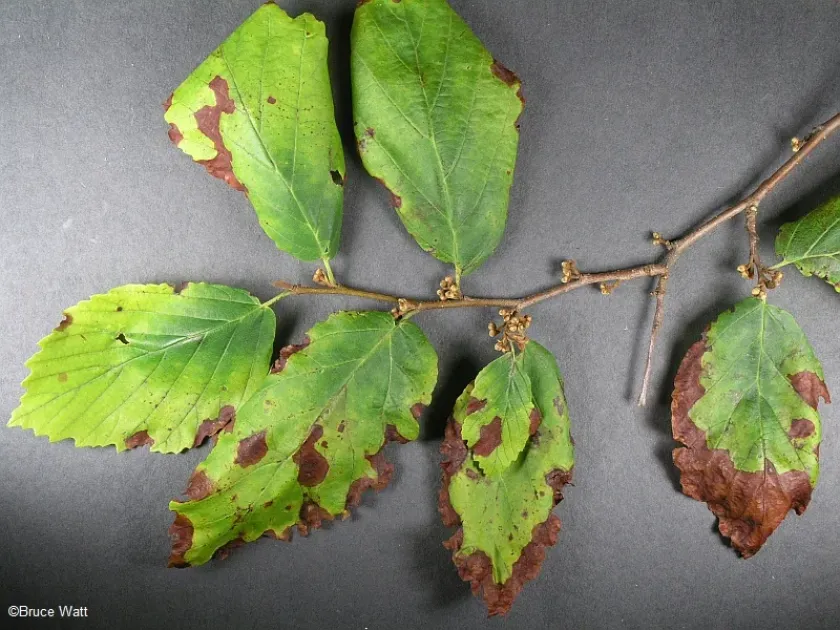
Description
Symptoms
Symptoms of Seimatosporium massarina include the formation of localized necrotic lesions on stems and branches. These lesions often appear as sunken, discolored patches of bark that gradually dry out and crack.
A distinctive sign of the infection is the appearance of small, dark, pimple-like structures on the surface of the lesions. These are the fruiting bodies of the fungus, often emerging in dense clusters, which help distinguish this from other abiotic bark issues.
Affected branches often exhibit wilting and premature leaf yellowing beyond the site of infection. In severe cases, the entire branch will become brittle and die, as the canker eventually girdles the stem.
Over time, the affected areas become more pronounced, with the boundary between healthy and necrotic tissue becoming clearly defined, sometimes resulting in resinosis or bleeding in certain plant species.
- Sunken necrotic bark patches (cankers).
- Visible dark fungal fruiting bodies.
- Drying and brittleness of infected twigs.
- Wilting of foliage distal to the infection.
- Death of secondary or main branches.
Pathogen
The fungus Seimatosporium massarina is the primary pathogen responsible for this condition. It is a specialized necrotrophic fungus that primarily targets the stems, twigs, and bark of various woody ornamentals and fruit-bearing trees.
The pathogen completes its life cycle by forming fruiting structures known as acervuli beneath the epidermis. These structures rupture the bark as the spores mature, facilitating the spread of conidia via rain splash or insects to healthy tissues.
The fungus is highly resilient, capable of persisting in dead wood and dormant plant tissues for multiple seasons. This ability to survive as a saprophyte allows it to maintain its presence within an orchard or garden even in the absence of active green tissue.
Primary infection typically occurs through wounds, pruning cuts, or natural physiological cracks in the bark. Once established, the mycelium colonizes the vascular tissues, interfering with the plant's nutrient and water transport systems.
The taxonomy of this species is complex, with its prevalence often being linked to the specific environmental conditions of the host plant's habitat, making it a persistent challenge for plant pathologists.
Conditions for development
Environmental conditions play a critical role in the development of the disease. High humidity, frequent rainfall, and dew are essential for the germination and penetration of the spores into the plant's epidermis.
Poor site management, such as overcrowding or lack of proper pruning, limits airflow and keeps plant surfaces wet for extended periods, providing a perfect microclimate for the fungus to spread.
Plants that are physically stressed—due to frost damage, extreme heat, or mechanical injuries—are significantly more susceptible to infection. These injuries provide easy access for the fungus to colonize living tissue.
Periods of moderate temperature (18°C–25°C) combined with high moisture levels are optimal for the growth and spread of the pathogen, leading to rapid disease progress during spring and autumn.
Improper fertilization, particularly excessive nitrogen, promotes succulent growth that is more vulnerable to pathogen colonization, weakening the plant’s natural physiological defenses.
Why it matters
The disease causes significant aesthetic damage to landscape plants and economic loss in fruit-producing sectors. Persistent infections lead to the gradual decline of the plant, reducing its vigor and productivity over time.
Because the disease affects the vascular system, the structural integrity of the plant is compromised. Girdled branches must be removed, which can lead to the total loss of a plant's form or fruit production capacity.
The presence of Seimatosporium canker lowers the plant's overall resistance to other pests and diseases, creating a vulnerability that can be exploited by secondary pathogens, ultimately leading to tree death.
For nurseries, this disease is a major issue as it can cause large-scale rejection of stock and necessitates strict phytosanitary measures to prevent the spread of the pathogen to clean fields.
Dealing with the disease requires long-term commitment, as continuous monitoring and removal of infected wood are necessary to prevent the epidemic from spreading throughout the entire plantation.
Protection
The primary management strategy for Seimatosporium canker is rigorous sanitation. All infected branches must be pruned back to healthy wood, with tools disinfected between every cut to prevent cross-contamination.
Chemical control involves the use of copper-based fungicides or systemic options such as triazoles or strobilurins, applied during the dormant season to protect vulnerable surfaces from spore infection.
Sealing large pruning wounds with protective pastes containing anti-fungal agents helps prevent the entry of spores and promotes faster callusing of the tissue.
Promoting overall tree health through balanced potassium-phosphorus fertilization and adequate hydration helps the plant produce natural defenses against fungal invasion.
Regular surveillance, especially after wet weather cycles, is essential for early detection. When managed promptly, local infections can be successfully isolated, preventing the need for the total removal of the plant.
Discussion
No discussions yet — be the first.